How Dangerous Is the “Effortless Weight Loss” Trend? The Hidden Scandal of Illegal GLP-1 Drug Additives
Posted by DengYue Medicine
Filed in Health 102 views
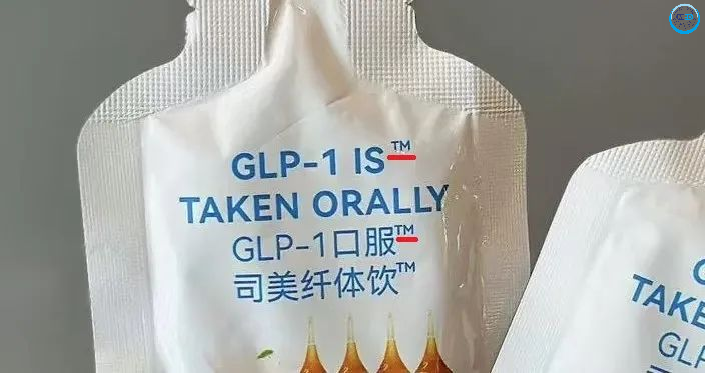
In recent years, the global weight-loss market has continued to surge. From North America and Europe to Southeast Asia, advertisements promoting “rapid weight loss,” “painless slimming,” and “lose weight without exercise” are everywhere — from social media platforms to cross-border e-commerce websites. At the same time, GLP-1 drugs such as Semaglutide and Tirzepatide have become extremely popular, with many overseas consumers even referring to them as “miracle weight-loss drugs.”
However, behind the massive online traffic and growing market demand, a global gray-market industry surrounding GLP-1 drugs is rapidly expanding. Some illegal sellers have begun secretly adding prescription-grade GLP-1 compounds into slimming coffees, weight-loss gummies, meal replacement powders, cosmetic injections, and even so-called “natural diet products.”
Even more concerning, investigational drugs that have not yet officially entered the market — such as Retatrutide — are already appearing in underground supply chains. According to industry monitoring data from Dengyue Pharma, these unapproved GLP-1 compounds currently represent one of the most severely abused categories in illegal weight-loss products, with underground circulation far exceeding that of established approved medications.
Why Have GLP-1 Drugs Become So Popular Worldwide?
GLP-1 (glucagon-like peptide-1) receptor agonists were originally developed to treat type 2 diabetes. These medications help regulate blood glucose levels, slow gastric emptying, and increase feelings of fullness, which is why many patients experienced significant weight loss during treatment.
Later, large-scale clinical studies demonstrated that drugs like Semaglutide also showed strong potential in obesity management. As more research data became public, GLP-1 therapies attracted enormous attention from global investors, pharmaceutical markets, and social media platforms.
On TikTok, Instagram, and YouTube, countless influencers and celebrities openly shared their weight-loss experiences, quickly turning “GLP-1 weight-loss injections” into a viral trend.
Meanwhile, a new generation of therapies continued to emerge:
● Semaglutide
● Tirzepatide
● Retatrutide
Among them, Retatrutide has been described by some media outlets as the “next-generation super weight-loss drug” because it simultaneously targets GLP-1, GIP, and glucagon receptors.
Driven by appearance-focused culture and social media algorithms, more consumers are beginning to view GLP-1 drugs as quick weight-loss tools rather than prescription medications requiring strict medical supervision.
A Growing Underground Industry in Overseas Markets
As demand for GLP-1 drugs skyrockets, illegal sellers have started exploiting consumers’ anxiety about body image and weight management for profit.
Today, a growing number of suspicious products are appearing in overseas markets, including:
● “Slimming coffee”
● “Fat-burning gummies”
● “Metabolism capsules”
● “Weight-loss shakes”
● “Beauty fat-burning injections”
● “Natural herbal slimming products”
These products are often sold through cross-border e-commerce platforms, social media agents, private distributors, or messaging apps.
Many sellers use highly attractive marketing claims such as:
● “No exercise required”
● “Lose weight in 7 days”
● “Zero side effects”
● “Cheaper than Ozempic”
● “Natural GLP-1 alternative”
In reality, some of these products may secretly contain Semaglutide or similar pharmaceutical ingredients while deliberately hiding the actual formulation.
As a result, consumers may unknowingly ingest prescription-grade drugs without any medical supervision.
Why Are Illegal Additives So Dangerous?
1. Consumers Often Don’t Realize They Are Taking Prescription Drugs
Many overseas consumers purchase these products believing they are simply ordinary supplements or natural weight-loss foods.
However, GLP-1 therapies are prescription medications that require professional medical oversight.
Proper treatment usually involves:
● Physician evaluation
● Metabolic health assessments
● Determining treatment suitability
● Gradual dose adjustments
● Long-term monitoring for side effects
Illegal products bypass all of these safety procedures entirely.
In many cases, consumers do not even realize they are taking prescription-level compounds.
2. Unknown Raw Materials May Carry Serious Risks
Legitimate GLP-1 drug manufacturing must comply with strict regulatory standards, including:
● Ingredient purity
● Sterile production conditions
● Cold-chain transportation
● Stable dosage control
● Long-term quality monitoring
In contrast, raw materials used in underground markets are often impossible to verify.
Some illegal products may involve:
● Excessive impurities
● Unstable concentrations
● Microbial contamination
● Counterfeit ingredients
● Improper storage conditions
These products may cause:
● Severe nausea
● Vomiting
● Diarrhea
● Dehydration
● Hypoglycemia
● Gallbladder complications
● Acute pancreatitis
For individuals already living with diabetes, gastrointestinal diseases, or metabolic disorders, the risks may be even greater.
Unapproved Drugs Have Already Entered Underground Markets
Even more alarming is the illegal circulation of drugs that have not yet officially launched.
Retatrutide, for example, is still under global clinical evaluation, and its long-term safety profile has not been fully established.
However, due to its strong weight-loss potential, underground sellers have already begun advertising so-called:
● “Laboratory versions”
● “Research-grade products”
● “Internal supply channels”
● “Custom overseas ingredients”
This means some consumers are effectively becoming unregulated human test subjects.
Without sufficient long-term clinical data, nobody can accurately predict the potential long-term health consequences of these illegal products.
Social Media Is Amplifying “Effortless Weight-Loss Anxiety”
In overseas markets, platforms like TikTok, Instagram, and Threads are accelerating the spread of weight-loss anxiety.
Large amounts of content constantly reinforce ideas such as:
● “Get skinny fast”
● “Lazy-person weight loss”
● “Lose weight without dieting”
● “Achieve the perfect body easily”
Some influencers intentionally downplay the risks and present GLP-1 drugs as trendy lifestyle products.
As a result, some consumers blindly purchase products from unverified sources in pursuit of rapid weight reduction. This trend is further fueling the expansion of underground supply chains.
What Should Overseas Consumers Watch Out For?
Consumers should be especially cautious if a weight-loss product:
Promises Extreme Weight Loss
Examples include:
● “Lose 5 kg in one week”
● “No exercise needed”
● “Burn fat while lying down”
● “Weight loss with zero side effects”
Such claims often indicate exaggerated marketing or illegal additives.
Deliberately Hides Ingredients
Some products only emphasize terms like:
● “Plant extract”
● “Metabolic technology”
● “Bio fat-burning”
while refusing to disclose full ingredient lists or regulatory approvals.
Is Sold Through Private Channels
Products may carry higher risks if they:
● Lack official approval numbers
● Are sold through private agents
● Are traded via messaging apps
● Cannot provide legitimate sourcing information
Legitimate Treatment Is Fundamentally Different From Illegal Products
Proper GLP-1 therapy is a medical treatment — not a regular consumer product. Legitimate treatment usually includes:
● Professional physician assessment
● Legal prescription sourcing
● Personalized dosage adjustments
● Long-term health monitoring
● Side-effect management
The primary goal is not only weight loss, but also improving overall metabolic health.
Illegal products, however, are primarily designed for one purpose: maximizing profits.
Many sellers never inform consumers about:
● Whether the product is appropriate for them
● Potential side effects
● Contraindications
● Proper discontinuation management
Once serious adverse reactions occur, consumers often have little legal protection.
Conclusion: The Real Danger Is Uncontrolled Abuse
GLP-1 therapies represent a major advancement in the treatment of metabolic diseases, and their clinical value has been widely recognized.
However, when these medications are repackaged as “effortless slimming miracles” and secretly added into unregulated products, the risks grow rapidly.
For overseas consumers, the real danger is not the scientific drugs themselves, but the underground industry hidden behind aggressive marketing claims like “rapid weight loss” and “painless slimming.”
Any GLP-1-related weight-loss treatment should be based on professional medical supervision, proper evaluation, and legal regulatory oversight — not blind trust in viral social media “miracle transformation” stories.