What Are the Warning Signs of Thick Blood? 5 Symptoms That May Indicate You Should Pay Attention to Your Vascular Health
Posted by DengYue Medicine
Filed in Health 105 views
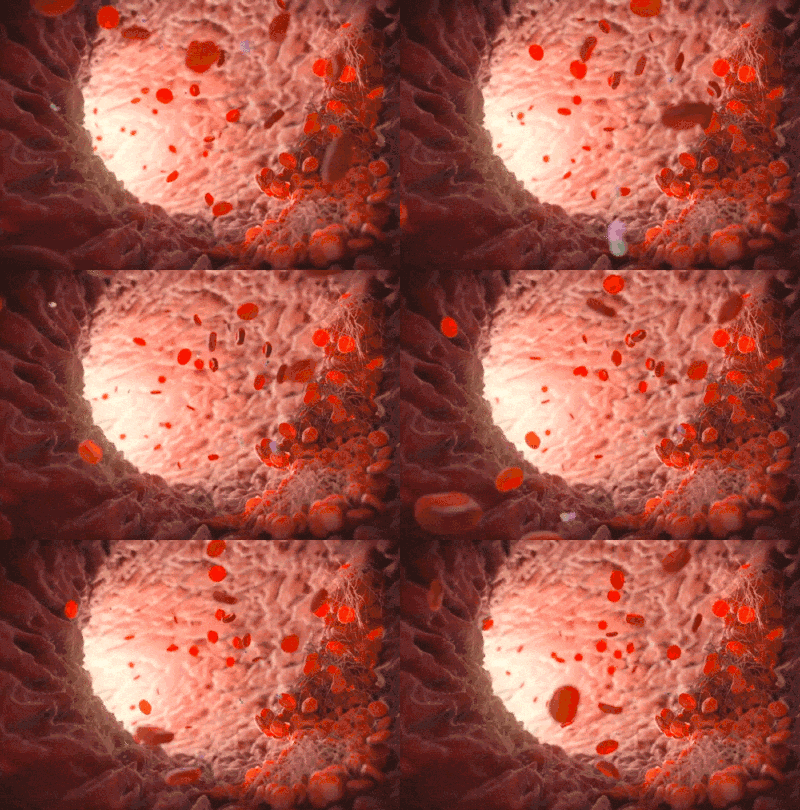
Many people think that “thick blood” is just a minor issue mentioned in a physical examination report. However, overly viscous blood may actually be closely linked to cardiovascular and cerebrovascular diseases such as blood clots, atherosclerosis, stroke, and heart attack.
If blood vessels are compared to roads, then blood is the “traffic” flowing through them. When traffic becomes too congested, movement slows down. Similarly, when blood becomes thicker and blood flow slows, important organs may suffer from insufficient blood supply and oxygen deprivation.
In recent years, unhealthy lifestyles such as high-fat and high-sugar diets, prolonged sitting, and staying up late have caused more people to develop abnormal blood lipids and increased blood viscosity. So, what exactly does thick blood mean? What warning signs may the body show? And how can it be prevented scientifically?
What Is Thick Blood?
“Thick blood” belongs to the field of hemorheology. Simply put, it refers to reduced blood flow and slower circulation caused by increased components in the blood, such as red blood cells, platelets, and lipids.
Under normal conditions, blood flows smoothly through blood vessels, delivering oxygen and nutrients to organs such as the brain and heart. However, factors including:
● High blood lipid levels
● Elevated cholesterol and triglycerides
● Dehydration
● Red blood cell aggregation
● Increased platelet count
may all make the blood more viscous.
When blood remains in a high-viscosity state for a long time, capillaries are usually affected first. Reduced blood flow may decrease oxygen supply to tissues, accelerate vascular aging, and promote the formation of atherosclerotic plaques. Once plaques rupture, they may trigger thrombosis and increase the risk of serious diseases such as stroke and heart attack.
5 Possible Warning Signs of Thick Blood
In the early stages, many people may not notice abnormal blood viscosity. However, the body often sends subtle warning signals.
1. Dizziness and Brain Fog After Waking Up
If you frequently feel dizzy, mentally foggy, or unusually tired after waking up, it may be related to increased blood viscosity during the night.
During sleep, the body loses water and blood flow slows down, which may reduce oxygen supply to the brain and lead to fatigue or dizziness.
2. Frequent Fatigue and Sleepiness
Many people feel sleepy after meals, but if you often feel tired and drowsy throughout the day, you should pay attention.
Thicker blood may reduce blood and oxygen supply to the brain, resulting in poor concentration and low energy levels.
3. Chest Tightness or Shortness of Breath When Squatting
Some people with thick blood may experience chest tightness or difficulty breathing when squatting or standing up suddenly.
This happens because increased circulatory burden can reduce the efficiency of blood supply to the heart and lungs, causing temporary oxygen deficiency.
People who are overweight or have high blood lipid levels are more likely to experience these symptoms.
4. Purple Lips After Physical Activity
If you become short of breath easily after light activity, or your lips appear bluish-purple, it may indicate insufficient oxygen supply.
This may not only be related to thick blood but could also signal underlying cardiovascular or lung disease, so medical evaluation is recommended.
5. Temporary Blurred Vision
When blood becomes too viscous, blood flow through the tiny vessels in the retina may be affected.
Some people may suddenly experience:
● Blurred vision
● Temporary darkening of vision
● Short-term vision loss
Although symptoms may recover quickly, repeated episodes should never be ignored.
Who Is More Likely to Develop Thick Blood?
The following groups are considered high-risk populations:
● People with high-fat, high-sugar diets
● Individuals with high cholesterol or triglycerides
● Long-term smokers and heavy drinkers
● People who lack exercise
● Those who frequently stay up late
● Middle-aged and older adults
● Obese individuals
● Patients with hypertension or diabetes
During autumn and winter, cold weather can cause blood vessels to constrict. If thick blood is also present, the burden on the heart and brain may increase further.
How to Improve Blood Viscosity: 5 Important Habits
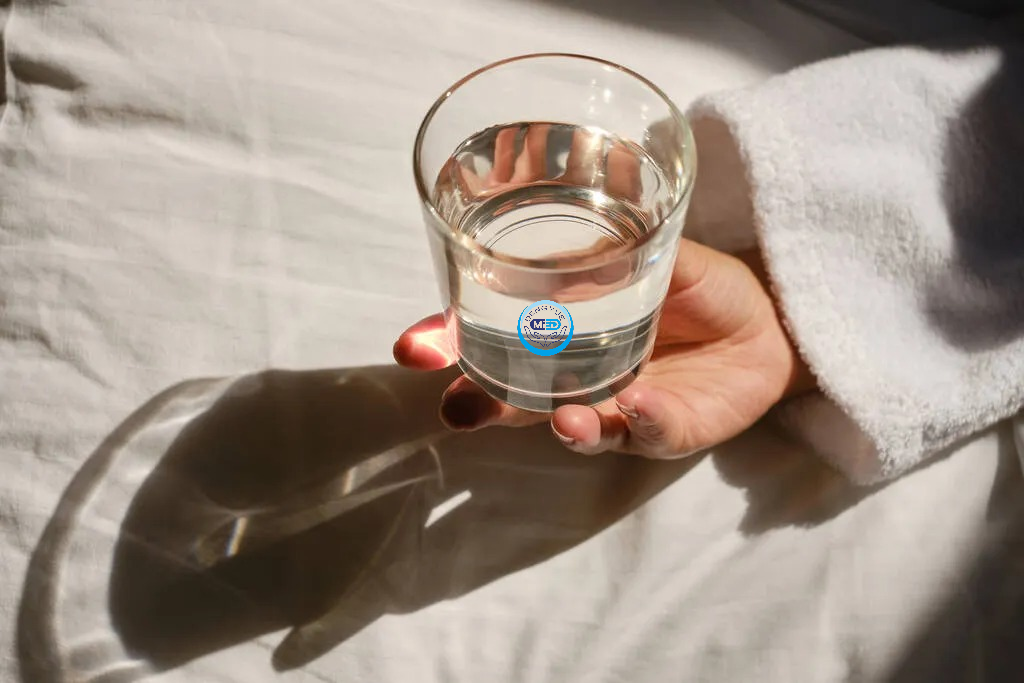
1. Stay Properly Hydrated
Dehydration can concentrate the blood, so drinking enough water is essential.
It is especially important to drink water:
● After waking up
● One hour before meals
● One hour before bedtime
Moderate intake of warm water may help maintain healthy blood flow.
2. Quit Smoking and Limit Alcohol
Smoking damages vascular endothelial cells and promotes platelet aggregation. Long-term excessive alcohol consumption may also increase cardiovascular burden.
Protecting blood vessels starts with quitting smoking and reducing alcohol intake.
3. Maintain a Light and Balanced Diet
High-cholesterol and high-sugar diets can increase blood lipid levels.
It is recommended to:
● Eat less organ meat
● Reduce fried foods
● Limit sugary foods
● Increase vegetables and fruits
● Consume moderate amounts of deep-sea fish
A healthy diet plays an important role in improving blood viscosity.
4. Exercise Regularly
Exercise promotes blood circulation and improves lipid metabolism.
Recommended activities include:
● Brisk walking
● Jogging
● Cycling
● Tai Chi
● Swimming
Maintaining moderate exercise 3–5 times per week can positively support vascular health.
5. Reduce Stress and Avoid Staying Up Late
Chronic sleep deprivation, anxiety, and excessive stress may negatively affect metabolism and circulation.
Maintaining a regular schedule and getting enough sleep can help stabilize metabolic function.
Does Thick Blood Always Lead to Blood Clots?
Many people become anxious once they hear the term “thick blood.” In fact, a single test showing increased blood viscosity does not necessarily mean a person will develop thrombosis or cardiovascular disease.
The body has its own regulatory mechanisms. However, if risk factors such as high cholesterol, hypertension, diabetes, or smoking are present for a long time, vascular health management becomes even more important.
In some cases, doctors may recommend:
● Blood lipid tests
● Blood glucose tests
● Complete blood count
● Hemorheology tests
to help assess overall risk.
Conclusion
Thick blood is not an independent disease, but it can be an important warning sign for many cardiovascular and cerebrovascular conditions. If you frequently experience:
● Dizziness and fatigue
● Excessive sleepiness
● Chest tightness
● Purple lips
● Blurred vision
you should pay closer attention to your vascular health.
The key to protecting blood vessels is not waiting until disease develops, but starting with healthy daily habits:
✔ Eat a balanced diet
✔ Exercise regularly
✔ Quit smoking and limit alcohol
✔ Stay hydrated
✔ Maintain healthy sleep habits
Only by consistently maintaining a healthy lifestyle can you better reduce the risk of blood clots, stroke, and heart attack.
By delivering professional medical education and health knowledge, Dengyue Pharma continues to focus on global medical advances and innovative treatment developments, helping the public better understand disease prevention, early screening, and precision medicine.