Why Can’t Antibiotics Be Used Whenever We Want? The Importance of Antibiotic Stewardship and Classification Management in Addres
Posted by DengYue Medicine
Filed in Health 108 views
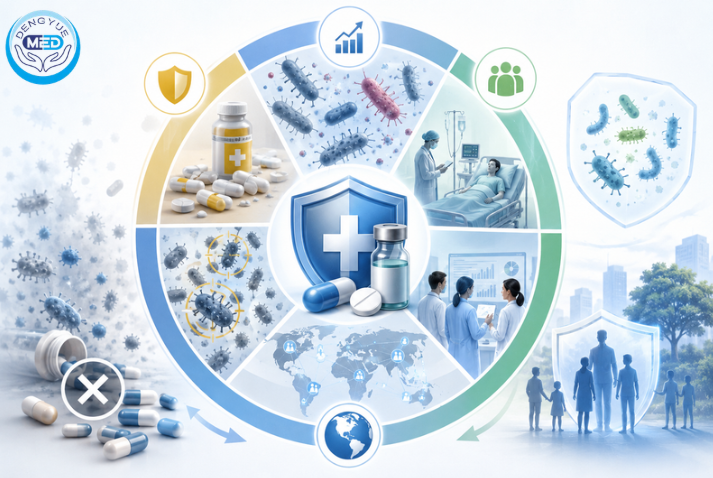
The discovery of antibiotics was one of the most significant milestones in the history of modern medicine. Countless bacterial infections that once claimed millions of lives became treatable with the widespread use of antibiotics. Beyond treating infections, the appropriate use of antibiotics has provided a critical safety foundation for advanced medical procedures such as surgery, organ transplantation, cancer chemotherapy and radiotherapy, and intensive care medicine, making them an indispensable pillar of modern healthcare.
However, as antibiotics have become widely available in clinical practice and everyday healthcare, problems such as overuse, misuse, and inappropriate prescribing have become increasingly prevalent. These issues have contributed to a growing global public health challenge: antimicrobial resistance (AMR).
The World Health Organization (WHO) has identified antimicrobial resistance as one of the most serious threats to global public health. If the current pattern of antibiotic misuse continues unchecked, common bacterial infections may become increasingly difficult to treat, potentially leading to a future in which effective antibiotics are no longer available. In this context, antibiotic classification management has emerged as a critical strategy for combating antimicrobial resistance and promoting rational antibiotic use.
The Core Concept and Significance of Antibiotic Classification Management
Antibiotic classification management is a scientific and standardized system designed to regulate the use of antimicrobial agents. Healthcare institutions classify antibiotics into different categories based on factors such as antibacterial efficacy, risk of resistance development, safety profile, clinical indications, and cost. Each category is associated with specific prescribing privileges, usage criteria, and approval procedures.
The underlying principle is straightforward: not all antibiotics carry the same clinical value or risk. Basic antibiotics are suitable for common bacterial infections and are generally considered first-line treatment options. Higher-tier antibiotics, on the other hand, are valuable medical reserve resources intended for severe, complicated, or drug-resistant infections and should not be used indiscriminately.
Classification management is not about restricting patient access to treatment. Rather, it aims to ensure that every antibiotic is used in the right patient, at the right time, and for the right indication, maximizing therapeutic effectiveness while preserving these valuable resources for future generations.
Bacteria possess remarkable adaptability and mutation capabilities, which lie at the heart of antimicrobial resistance. Under antibiotic pressure, susceptible bacteria are eliminated, while resistant strains survive, multiply, and spread. Over time, this process leads to the emergence of resistant bacteria, multidrug-resistant organisms (MDROs), and even so-called “superbugs.”

Numerous inappropriate practices in both clinical settings and daily life continue to accelerate this process, including:
● Using antibiotics as universal “anti-inflammatory drugs” for viral illnesses such as the common cold or influenza;
● Stopping treatment early or reducing dosage without medical guidance once symptoms improve;
● Purchasing antibiotics online or over the counter and self-medicating for prolonged periods;
● Routinely prescribing broad-spectrum or high-tier antibiotics regardless of disease severity.
Such behaviors repeatedly expose bacteria to antibiotics, creating selective pressure that favors resistant strains. Once resistant bacteria become widespread, infections that were once easily treatable—including skin infections, respiratory infections, and postoperative infections—can become difficult or impossible to cure. Patients may face longer treatment durations, higher healthcare costs, and the need for medications with greater toxicity and lower efficacy. In severe cases, resistant infections can lead to life-threatening complications.
To coordinate the global response to antimicrobial resistance, the WHO established the AWaRe Classification System, which categorizes antibiotics into three groups: Access, Watch, and Reserve. This framework serves as a globally recognized guide for rational antibiotic use.
Implementing Classification Management: A Key Strategy Against Antimicrobial Resistance
As antimicrobial resistance continues to rise globally, education alone is not enough. Effective control requires systematic and standardized management. Antibiotic classification management helps reduce misuse, overuse, and inappropriate prescribing while balancing immediate clinical needs with long-term public health goals.Its value is reflected in three key areas:
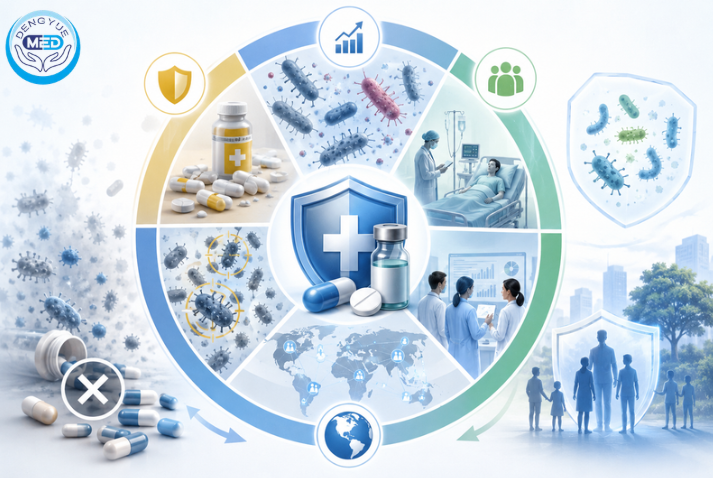
1. Slowing the Development of Resistance
For most common bacterial infections, first-line antibiotics are often sufficient. Unnecessary use of broad-spectrum or higher-tier antibiotics increases selective pressure on bacteria, accelerating resistance. Classification management promotes appropriate prescribing and reduces unnecessary antibiotic exposure.
2. Preserving Critical Antibiotic Resources
Some advanced antibiotics serve as the last line of defense against multidrug-resistant infections. Restricting their use to severe or complicated cases helps preserve their effectiveness and ensures these vital therapies remain available when truly needed.
3. Improving Treatment Precision and Safety
Effective infection management is based on choosing the right antibiotic, not simply the strongest one. Different antibiotics vary in spectrum, safety profile, and resistance risk. Classification management encourages clinicians to make evidence-based treatment decisions using clinical assessment, microbiological testing, and susceptibility results, improving outcomes while reducing adverse reactions.
Beyond supporting individual patient care, antibiotic classification management benefits healthcare systems and society by promoting responsible antibiotic use, reducing resistance rates, protecting valuable medical resources, and strengthening public health security.
To further support global antimicrobial stewardship, the WHO AWaRe Classification System categorizes antibiotics into Access, Watch, and Reserve groups. Its principles closely align with antibiotic classification management: prioritize appropriate first-line therapies, limit unnecessary use of high-risk antibiotics, and reserve critical agents for severe and drug-resistant infections. Together, these strategies help slow the spread of antimicrobial resistance and preserve the effectiveness of antibiotics for future generations.
Conclusion
The discovery of antibiotics transformed modern medicine, but antimicrobial resistance has emerged as one of the most pressing public health challenges of our time. Promoting the rational use of antibiotics, strengthening resistance prevention efforts, and improving public awareness of responsible medication practices are shared responsibilities across the healthcare community.
As a company committed to advancing global pharmaceutical innovation and clinical medication management, Dengyue Pharma continues to monitor developments in infectious disease treatment and promote the principles of rational drug use. Moving forward, Dengyue Pharmaceutical will remain focused on emerging international clinical advances, pharmaceutical innovation, and standardized medication practices, working alongside industry partners to foster a safer, more scientific, and sustainable healthcare environment.
Every time an antibiotic is used responsibly, we are not only protecting today's treatment outcomes—we are also preserving tomorrow's treatment options for future patients.