PIMs Continue to Draw Attention: How Do Potentially Inappropriate Medications Affect Patient Outcomes?
Posted by DengYue Medicine
Filed in Health 104 views
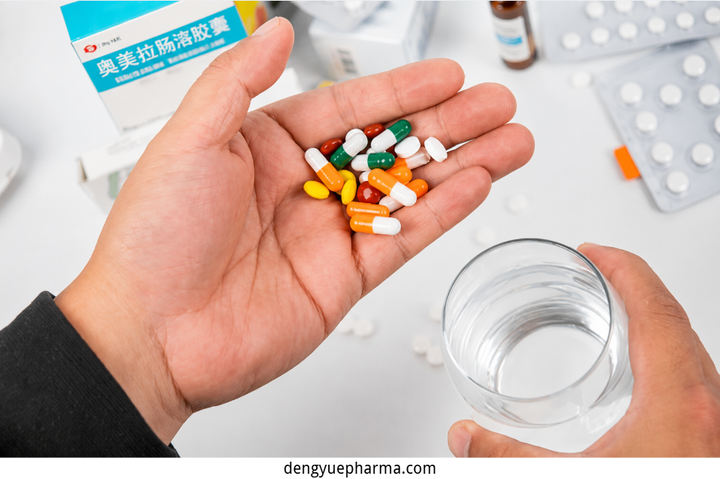
As global population aging continues to accelerate, the management of chronic diseases has become a major challenge for healthcare systems worldwide. Conditions such as hypertension, diabetes, coronary artery disease, chronic kidney disease, and neurological disorders often coexist in the same patient, making polypharmacy increasingly common.
Pharmacological therapy plays a crucial role in improving disease outcomes and extending survival. However, as the number of medications prescribed continues to rise, the issue of Potentially Inappropriate Medications (PIMs) has attracted growing attention from the global medical community. An increasing body of research suggests that PIMs not only raise the risk of adverse drug events but may also negatively affect functional status, quality of life, and long-term survival outcomes, making them a significant challenge in modern medication management. As a company that closely follows global developments in rational medication use, healthy aging, and innovative healthcare, Dengyue Pharmaceutical believes that reducing the risks associated with PIMs has become an important priority for improving healthcare quality and patient prognosis.
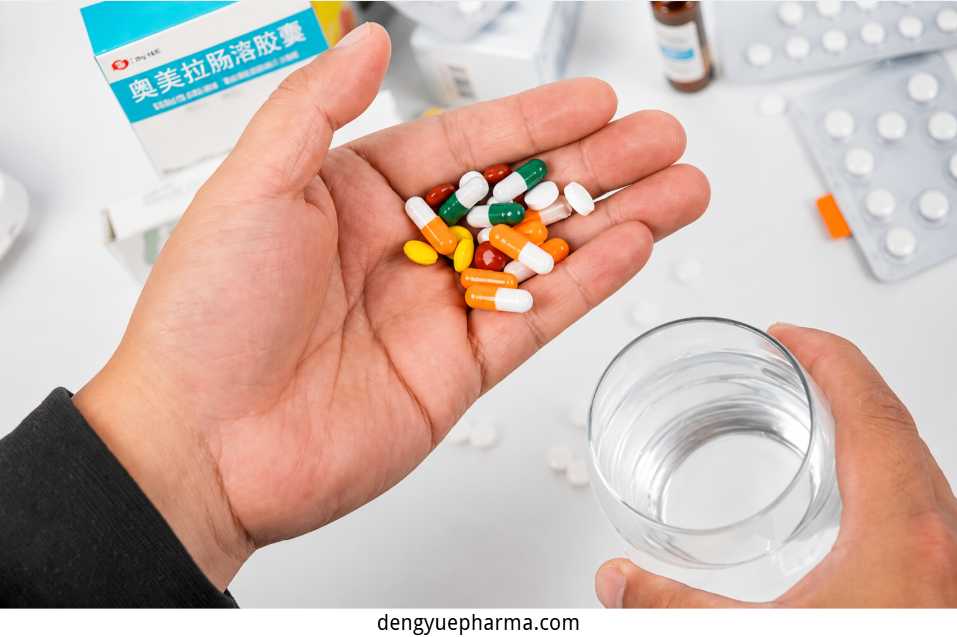
Why Are Potentially Inappropriate Medications Receiving So Much Attention?
Potentially inappropriate medications generally refer to medications for which the potential risks may outweigh the expected clinical benefits in certain patient populations, particularly older adults.
As people age, liver metabolism, renal excretion, and drug sensitivity gradually change. Medications that are considered safe for younger adults may pose a greater risk of adverse effects in elderly patients. At the same time, the coexistence of multiple chronic diseases often requires treatment by several specialists, making duplicate prescriptions, inappropriate dosing, and drug-drug interactions increasingly common.
Several internationally recognized tools have been developed to identify PIMs, including the Beers Criteria, the STOPP/START Criteria, and the EU(7)-PIM List. These tools provide valuable references for clinicians when assessing high-risk medications. Nevertheless, potentially inappropriate prescribing remains widespread despite the availability of these assessment frameworks.
One important contributing factor is “prescribing inertia.” Some medications are prescribed appropriately during the early stages of a disease, but as the patient's condition evolves or treatment goals change, the need for continued long-term use may diminish. Without regular medication reviews, however, these drugs often remain part of the treatment regimen, increasing unnecessary risks.
How Do PIMs Affect Patient Health Outcomes?
One of the most direct consequences of potentially inappropriate medication use is an increase in medication-related adverse events.
Certain sedative-hypnotics, anticholinergic medications, and psychotropic drugs may cause dizziness, drowsiness, impaired attention, and gait instability. In older adults, these seemingly mild side effects can significantly increase the risk of falls.
In addition, PIMs are closely associated with emergency department visits and hospital admissions. Common medication-related complications include:
● Drug-induced hypoglycemia;
● Severe hypotension;
● Gastrointestinal bleeding;
● Acute kidney injury;
● Electrolyte disturbances;
● Delirium and cognitive impairment.
These complications not only increase patient suffering but also substantially raise healthcare utilization and hospitalization costs.
Growing evidence indicates that potentially inappropriate medication use has become a major factor affecting overall health outcomes among older adults.
Long-Term Risks in the Context of Polypharmacy
The impact of PIMs extends far beyond short-term adverse drug reactions.
In recent years, several large international cohort studies have identified a significant association between potentially inappropriate medication use and increased mortality risk. This relationship appears to be particularly pronounced among very elderly patients, individuals with frailty syndrome, and those with multiple chronic conditions.
Researchers believe that this phenomenon results from the cumulative effects of several risk factors. A higher number of medications increases the likelihood of drug-drug interactions; complex treatment regimens may reduce medication adherence; and long-term adverse effects can impair nutritional status, physical function, and cognitive performance.
When these factors coexist, patients’ overall health status may progressively deteriorate.
Importantly, some studies have found that even in the absence of severe adverse drug events, persistent exposure to PIMs may contribute to declines in activities of daily living among older adults, including reduced mobility, diminished self-care ability, and decreased social participation.
Deprescribing Is Emerging as a New Management Trend
Against the backdrop of population aging and the growing burden of chronic diseases, reducing potentially inappropriate medication use has become a key priority for healthcare systems worldwide.
In recent years, the concept of deprescribing has gained increasing attention. Deprescribing does not simply mean stopping medications. Instead, it involves carefully evaluating a patient's clinical condition, treatment goals, and risk-benefit profile before reducing, substituting, or discontinuing medications that are no longer necessary or whose risks outweigh their benefits.
A growing number of studies have shown that well-structured deprescribing interventions can effectively reduce medication burden while lowering the incidence of adverse drug events.
Among certain patient populations, optimizing medication regimens has also been associated with improvements in cognitive function, physical performance, and overall quality of life.
How Can the Risk of PIMs Be Reduced?
Reducing the prevalence of PIMs requires collaboration among healthcare institutions, physicians, pharmacists, and patients.
Medication reconciliation has become an important strategy in many healthcare settings. By systematically reviewing all medications a patient is taking, healthcare providers can identify duplicate therapies, inappropriate dosages, and potential drug interactions in a timely manner.
Regular medication reviews are equally important. Treatment regimens should not remain static but should be adjusted according to changes in disease progression and the patient's overall health status.
Clinical pharmacists are playing an increasingly important role in medication safety management. Through participation in ward rounds, pharmaceutical consultations, and prescription reviews, pharmacists can help healthcare teams identify high-risk medications and provide individualized recommendations.
Patient education is another critical component. Many patients use prescription drugs, over-the-counter medications, and dietary supplements simultaneously without fully understanding the potential risks of drug interactions. Improving public awareness of rational medication use can help reduce unnecessary medication exposure.
With the advancement of electronic health records, artificial intelligence-assisted decision-making platforms, and smart pharmacy technologies, healthcare institutions are expected to become increasingly capable of identifying PIM-related risks and delivering safer, more efficient, and more personalized medication management.
Conclusion
Potentially inappropriate medications (PIMs) have become one of the major challenges facing healthcare systems around the world. As multimorbidity and polypharmacy become increasingly common, their impact on patient outcomes continues to attract growing attention.
Research has shown that PIMs are associated with an increased risk of adverse drug events, falls, hospitalization, readmission, and potentially poorer long-term survival and quality of life. Strengthening medication management, promoting medication reconciliation, and advancing deprescribing practices are becoming key strategies for improving patient outcomes.
Looking ahead, advances in precision medicine, clinical pharmacy, and digital health technologies are expected to make PIM management more scientific and individualized. These developments have the potential to provide patients with safer and more effective treatment experiences while further improving the overall quality of healthcare delivery.