Application Prospects of the New Oral Tablet Baxdrostat in Resistant Hypertension
Posted by DengYue Medicine
Filed in Health 120 views
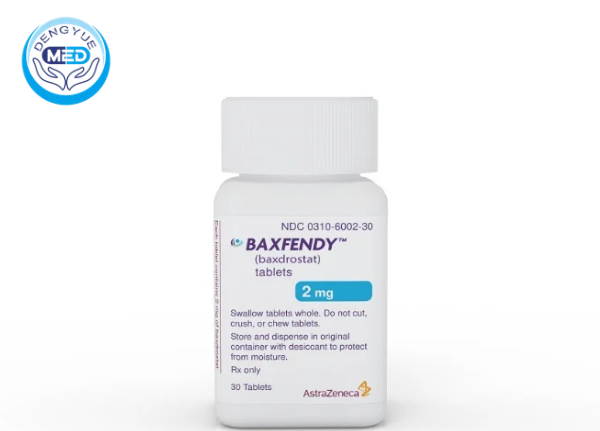
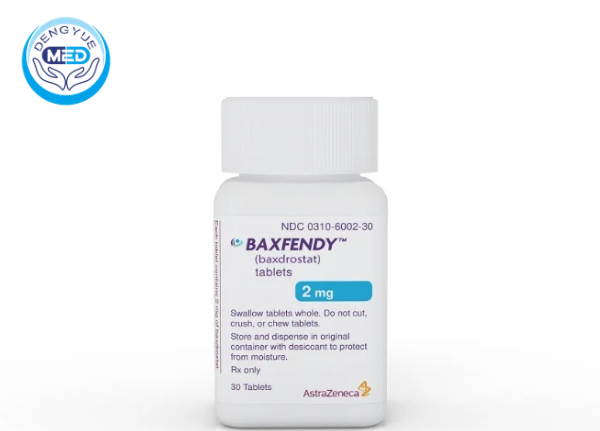
On May 18, 2026, AstraZeneca announced that its first-in-class hypertension drug baxdrostat (brand name: Baxfendy) had officially received approval from the U.S. Food and Drug Administration (FDA). Baxdrostat is the first and currently the only approved aldosterone synthase inhibitor, indicated for use in combination with other antihypertensive medications to further lower blood pressure in adults whose hypertension is not adequately controlled.

The causes of hypertension are multifactorial, including diet, genetics, aging, and other contributing factors. Aldosterone is recognized as one of the biological drivers of hypertension. This hormone regulates blood pressure by promoting sodium and water retention in the kidneys, which can increase blood pressure levels. Baxfendy is an oral small-molecule therapy designed to inhibit aldosterone synthase, the key enzyme responsible for aldosterone production in the adrenal glands.
What Is Baxdrostat?
Baxdrostat is a selective aldosterone synthase inhibitor that works primarily by inhibiting CYP11B2 enzyme activity, thereby reducing aldosterone production and helping lower blood pressure. Compared with traditional mineralocorticoid receptor antagonists, its mechanism is considered more targeted, potentially reducing certain hormone-related adverse effects.
Because aldosterone plays a major role in sodium retention, vascular constriction, and cardiovascular remodeling, therapies targeting this pathway are increasingly viewed as an important direction in precision medicine for hypertension.
Why Is Resistant Hypertension Receiving Increased Attention?
Resistant hypertension generally refers to blood pressure that remains uncontrolled despite the combined use of multiple antihypertensive medications. These patients often face:
● Increased risk of cardiovascular events
● Higher incidence of stroke
● Greater risk of kidney function impairment
● Significant long-term treatment burden
Research suggests that a substantial proportion of resistant hypertension patients exhibit abnormal aldosterone activation. As a result, therapeutic strategies targeting aldosterone production are gaining growing clinical interest.
Clinical Development of Baxdrostat
Published clinical trial data indicate that Baxdrostat, when added to standard antihypertensive therapy, can further reduce systolic blood pressure and has demonstrated favorable tolerability in some patients with resistant hypertension.
Key potential advantages under investigation include:
● More precise suppression of aldosterone production
● Convenient oral tablet administration
● Potential reduction in side effects associated with traditional aldosterone antagonists
● Possible improvement in long-term blood pressure control
Researchers are also evaluating its potential applications in:
● Primary aldosteronism
● Hypertension associated with chronic kidney disease
● Patients at high cardiovascular risk
Safety Considerations: Hyperkalemia Remains a Key Concern
Like other therapies affecting the renin-angiotensin-aldosterone system (RAAS), one of the main potential risks associated with Baxdrostat is hyperkalemia.
Clinical considerations include:
1. Risk and Clinical Data:
In the BaxHTN trial, the incidence of serum potassium levels >6.0 mmol/L was 3.0% in the 2 mg group and 2.3% in the 1 mg group, compared with 0.4% in the placebo group.
2. Clinical Management Strategies:
Baxdrostat is typically approved as an add-on therapy used in combination with other antihypertensive medications. In clinical practice, physicians are advised to closely monitor potassium levels and adjust treatment or preventive strategies based on individual patient conditions.
Expanding Indications
The approval of Baxdrostat opens up a new treatment category. Notably, the drug's package insert indicates its indication as "in combination with other antihypertensive drugs for the treatment of adult hypertension, suitable for patients with poorly controlled blood pressure."
In the future, if more Phase III clinical trials further confirm its long-term efficacy and safety, Baxdrostat is expected to:
● Become an important adjunctive treatment option for refractory hypertension
● Promote the widespread adoption of aldosterone-targeted therapy
● Provide more precise long-term management strategies for high-risk cardiovascular patients
For some patients who do not respond well to traditional treatments, this type of innovative drug may bring new hope.
As innovative antihypertensive therapies continue to develop globally, more and more international patients are beginning to pay attention to cutting-edge targeted therapies and cross-border medical resources. As a platform focusing on international medical services and innovative drug information, DengYueMed continuously monitors the progress of innovative hypertension therapies worldwide, including Baxdrostat, and is committed to providing patients with cutting-edge medical information, international medical resource connections, and personalized cross-border medical support to help more patients understand the new trends in global precision medicine.