Trouble Breathing? Don’t Ignore COPD: Why Pulmonary Function Testing Is the “Gold Standard” for Diagnosis
Posted by DengYue Medicine
Filed in Health 131 views
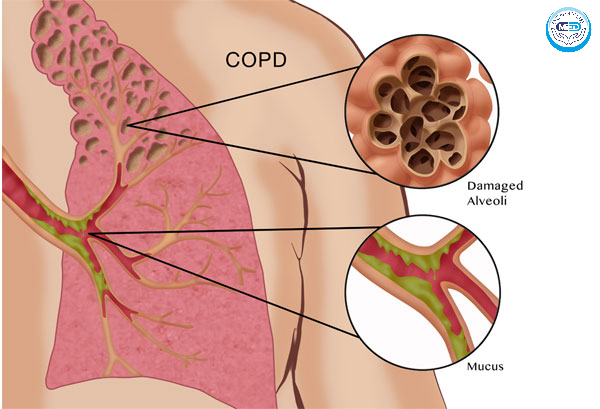
Chronic obstructive pulmonary disease (COPD), commonly known as chronic obstructive lung disease, is a common yet often overlooked chronic respiratory condition. Many patients initially experience only mild symptoms such as shortness of breath when climbing stairs or feeling breathless while walking, often assuming it is simply due to aging or reduced fitness. As a result, many people do not seek medical attention until obvious breathing difficulties develop.
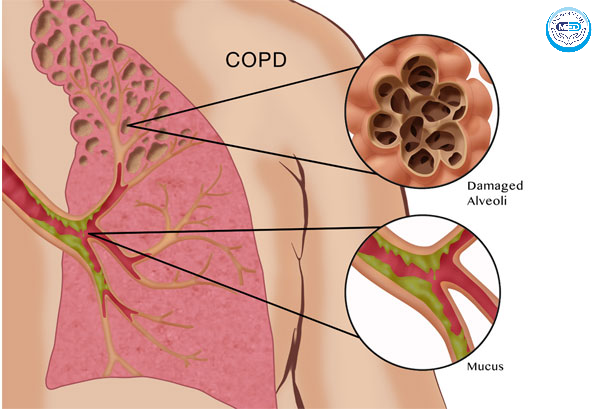
According to epidemiological data reviewed by Dengyue, the prevalence of COPD continues to rise among people over the age of 40, yet a large number of patients remain undiagnosed. Because COPD gradually and continuously damages lung function over time, early detection and standardized management are extremely important.
What Is COPD?
COPD is a chronic lung disease characterized by persistent airflow limitation. Common symptoms include:
● Chronic cough
● Excessive sputum production
● Shortness of breath after activity
● Difficulty breathing
● Chest tightness and wheezing
As the disease progresses, lung function gradually declines. In severe cases, even everyday activities such as getting dressed, washing the face, or climbing stairs may cause noticeable breathlessness.
Unlike a common cold or simple bronchitis, COPD is a chronic disease that cannot be completely reversed. However, with proper intervention and management, disease progression can be effectively slowed.
What Factors Increase the Risk of COPD?
There are many risk factors associated with COPD, with long-term smoking being one of the most important causes.
Additional factors that may increase the risk include:
● Long-term exposure to secondhand smoke
● Air pollution
● Exposure to kitchen cooking fumes
● Occupational dust exposure (such as mining, construction, and chemical industries)
● Harmful gas exposure
● Recurrent respiratory infections
● Aging
Long-term smoking continuously irritates the airways, leading to airway narrowing and destruction of the alveoli, which gradually contributes to the development of COPD.
What Are the Early Signs of COPD?
Many people with COPD have very mild symptoms in the early stages, making the condition easy to overlook.
You should pay attention if you experience the following symptoms:
1. Shortness of Breath During Activity
At first, breathlessness may only occur when climbing stairs or walking quickly. Over time, it may gradually worsen and occur even during routine daily activities or at rest.
2. Persistent Cough and Phlegm
Especially coughing in the morning accompanied by white mucus that recurs for years.
3. Frequent “Colds”
Some people frequently develop coughing, wheezing, or respiratory infections whenever the weather changes slightly, and recovery is often slow.
4. Reduced Physical Stamina and Fatigue
Many patients notice decreased exercise tolerance and become tired easily after mild activity.
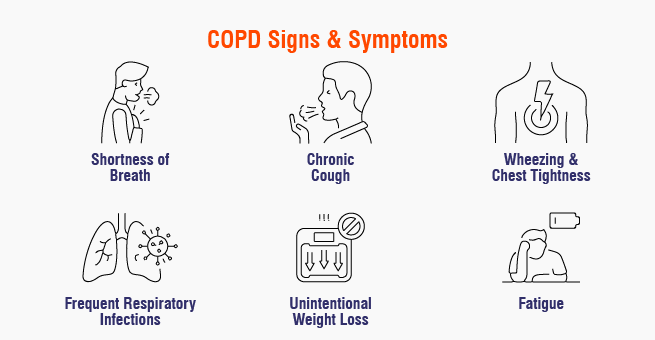
If you already experience symptoms such as “getting out of breath after walking a short distance,” “chronic morning phlegm,” or “multiple respiratory infections each year,” it is recommended to undergo pulmonary function screening as early as possible.
Pulmonary Function Testing: The “Gold Standard” for COPD Diagnosis
When COPD is suspected, the most important examination is pulmonary function testing.
Pulmonary function testing measures airflow and lung ventilation capacity, making it the most important method currently used to diagnose COPD. For this reason, it is widely considered the “gold standard” for COPD diagnosis.
One key indicator is:
FEV_1/FVC < 0.7
If the test result shows an FEV1/FVC ratio below 0.7, it usually indicates airflow obstruction consistent with COPD.
The following high-risk groups are advised to undergo regular pulmonary function testing:
● Adults over 40 years old
● Long-term smokers
● People exposed to dust or cooking fumes for long periods
● Individuals with chronic cough and sputum production
● People with long-term shortness of breath symptoms
What Other Tests May Be Needed for COPD?
In addition to pulmonary function testing, doctors may also recommend:
1️⃣ Chest CT or X-ray
Used to evaluate emphysema and thickening of the bronchial walls.
2️⃣ Blood Oxygen Saturation Testing
Used to determine whether hypoxia is present.
3️⃣ Electrocardiogram (ECG) and Echocardiography
Used to screen for complications such as pulmonary heart disease and arrhythmias.
4️⃣ Six-Minute Walk Test
Used to assess exercise tolerance and the degree of lung function impairment.
Can COPD Be Controlled?
Although COPD cannot currently be completely cured, many patients can still maintain a good quality of life through proper disease management.
How to Manage COPD Scientifically
1. Quitting Smoking Is Essential
Regardless of disease severity, quitting smoking is the most effective way to slow lung function decline.
2. Reduce Exposure to Harmful Irritants
This includes:
● Avoiding secondhand smoke
● Keeping indoor spaces well ventilated
● Reducing exposure to cooking fumes
● Using proper workplace protection
3. Vaccination
Influenza vaccines and pneumococcal vaccines can help reduce respiratory infections and the risk of acute exacerbations.
4. Breathing Exercises and Physical Activity
Recommended activities for COPD patients include:
● Pursed-lip breathing
● Diaphragmatic breathing
● Brisk walking
● Cycling
● Swimming
Regular exercise helps improve lung capacity and cardiopulmonary endurance.
5. Standardized Medication Management
Some patients require long-term inhaled medications to control symptoms and should never stop medications without medical advice.
Severe patients may also require home oxygen therapy and long-term follow-up management.
Conclusion
Breathing difficulties, chronic coughing, and shortness of breath after activity are not always simply signs of aging.
If you frequently experience:
● Breathlessness while climbing stairs
● Morning coughing with sputum
● Recurrent respiratory infections
● Reduced exercise tolerance
you should be alert to the possibility of COPD.
For long-term smokers and individuals over the age of 40, regular pulmonary function testing is especially important. As the “gold standard” for COPD diagnosis, pulmonary function testing can help detect problems early and reduce further lung damage.
Effective COPD management is not about waiting until symptoms become severe. The key lies in early screening, long-term standardized management, and improving lifestyle habits.
Dengyue Pharma continues to focus on global chronic disease management and advances in medical innovation, committed to sharing scientific health knowledge, improving disease prevention awareness, and protecting long-term health through professionalism and responsibility.