Podcast Equipment Dubai: Equipment Every Podcast Creator Needs
Posted by Gulf Podcast studios
Filed in Card Games 44 views
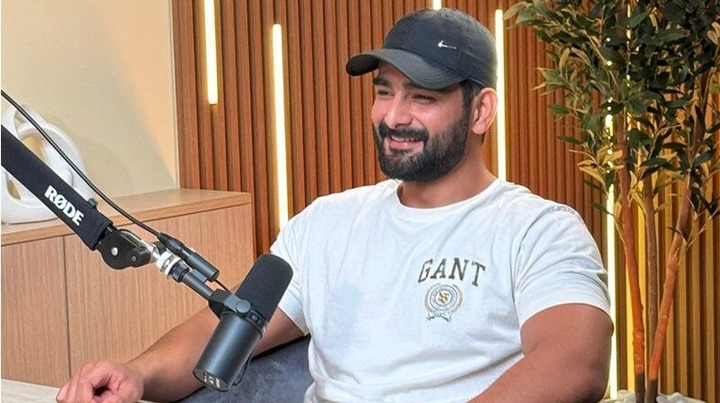
Choosing podcast equipment Dubai creators can rely on is harder than most gear lists admit, because those lists assume a quiet room and an unlimited budget. In the UAE, you're often working with humming air conditioning, tiled floors, and glass walls that bounce sound around. This guide sorts gear into what's worth owning, what's smarter to rent, and what a studio already covers.
Fix the Room Before You Buy the Microphone
Most audio problems come from the room, not the gear. A USD 300 microphone in a bare living room will usually sound worse than a USD 100 one in a carpeted spare room full of furniture. Dubai apartments make this harder: hard floors, big windows and an AC unit that never switches off.
Try a quick test. Stand where you'd record and clap once. If you hear a metallic ringing afterwards, hard surfaces are throwing the sound back at you. Rugs, heavy curtains and a bookshelf behind the microphone all help. Thick acoustic panels placed at the first reflection points, roughly where the side walls meet your ear line, do far more than the thin foam tiles sold in cheap bundles.
Room size matters too. A small room with parallel walls creates more flutter echo than a medium room with furniture in it. Sit away from windows, point the back of a dynamic microphone toward the softest surface you have, such as a sofa or curtain, and switch the AC off for each take if you can.
Test before you trust it. Record thirty seconds of normal speech, play it back on headphones, and listen for hiss, room tone, and AC hum. If you can hear them in the recording, your audience will hear them on a phone speaker during a commute.
The Core Kit for a Two-Person Show
For an interview-style show, this is the podcast equipment in Dubai creators most often settle on at the intermediate level:
-
Two dynamic microphones, one per speaker. Models like the Shure SM7B, Rode PodMic, or Audio-Technica ATR2100x reject room noise better than condensers.
-
An audio interface or podcast mixer with two XLR inputs, so each voice records on its own track.
-
Boom arms and pop filters, which keep mouths at a steady distance and soften harsh plosive sounds.
-
Closed-back headphones for every speaker, so nothing leaks back into the microphone.
One detail catches people out. The SM7B is a low-output microphone and needs a clean preamp or inline booster to sound its best, so check the specs before you pay. As a rough guide, a solid two-host kit tends to land between AED 2,500 and AED 6,000 depending on brand and retailer. Decide your ceiling before you shop, because upgrading twice costs more than buying well once.
Skip the extras at first. A mixer with ten faders, a second interface and RGB lighting can wait. Start with the kit above, record ten episodes and note what actually annoys you. It might be cable clutter or headphone bleed. Spend money on that problem, not on a wish list.
Rent, Buy or Book a Studio: How to Decide
Audio gear is worth owning if you record weekly. Video gear is different. Cameras, lenses and lighting cost a lot, age quickly and sit unused between shoots, so renting them for occasional video episodes often makes more sense.
Guests add another wrinkle. Carrying gear to a client's office or inviting a CEO into your spare bedroom rarely goes well. A podcast studio in Business Bay gives guests an easy address near major roads and public transport, and the room is already set up. A quick way to decide:
-
Buy if you record at least once a week in a space you control.
-
Rent if you shoot video only a few times a quarter.
-
Book a studio if you host guests, need multi-camera video, or want a polished result without owning the kit.
Whichever route you take, decide early whether the show is audio-first or video-first. Video adds lighting, a backdrop, and camera angles to your list, and it changes how you sit and where you look.
Local Buying Tips and Mistakes to Avoid
Buy from retailers who honor warranties in the UAE. Grey-market imports can look cheaper, but a dead audio interface with no local warranty wipes out the savings fast. Check power too: the UAE uses British-style three-pin Type G sockets, so make sure any adapters and power supplies are rated for 220-240V.
The mistakes that come up most often: buying a USB microphone for each host (most computers struggle to sync several USB mics cleanly), skipping headphones, and recording with no backup. Run a phone voice memo alongside the main recording for your first few sessions, and record at 48 kHz and 24-bit so your files work for both audio and video.
Before you spend on your own setup, book one session at a podcast studio Business Bay hosts and try a few microphones on your own voice. Ask the engineer which model flatters it. That single hour will teach you more than any review video.
Conclusion
Good podcast equipment Dubai creators invest in starts with a treated room, two dynamic microphones, and headphones, then grows only when the show demands it. Buy audio gear, rent video gear, and save guest interviews for a proper room. If you'd like to hear your voice through professional gear before spending anything, a session at a podcast studio Business Bay creators already use is a low-pressure place to start.
FAQs
1. Do I need soundproofing to record at home in Dubai?
Not full soundproofing, which is expensive and mostly stops sound leaving a room. What you need is absorption inside it: rugs, curtains, and a few thick panels. That fixes echo, the most common complaint.
2. Is a USB microphone good enough?
For a solo show, yes. A decent USB dynamic microphone sounds fine. For two or more hosts, XLR microphones with an interface give cleaner separate tracks and fewer sync problems.
3. Which single upgrade improves sound the most?
Moving the microphone closer, about a fist to a hand's width from your mouth. It costs nothing and beats most gear upgrades.
4. Can I record video and audio with the same kit?
Yes, but plan for a camera and extra lighting. Record clean audio on your microphones rather than relying on the camera's built-in sound.