Why Japanese Burnt Wood Is Changing the Way We Think About Modern Architecture
Posted by Inflamed Eu
Filed in Other 5 views
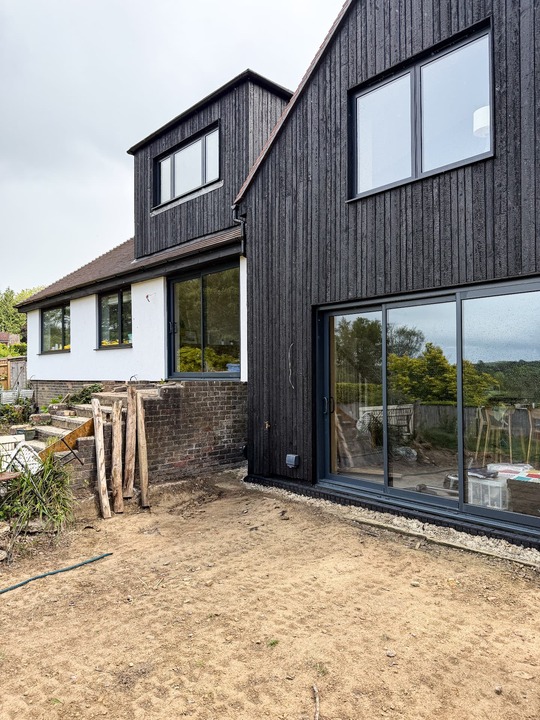
Modern architecture is constantly evolving, with architects and designers looking for materials that combine visual appeal, natural character and lasting value. While glass, concrete and steel continue to shape contemporary buildings, natural timber is making a strong statement in modern design. One material attracting particular attention is Japanese burnt wood, also known as Yakisugi.
Traditionally created in Japan by charring the surface of timber, this distinctive technique has become an exciting choice for contemporary architectural projects. Its dark appearance, unique textures and connection to traditional craftsmanship offer something different from conventional exterior materials.
But what makes Japanese burnt wood so appealing to modern architects? Let's explore why this traditional technique is influencing the future of architectural design.
1. Bringing Traditional Craftsmanship into Modern Architecture
One of the most interesting aspects of Japanese burnt wood is its history. Known as Yakisugi, the traditional technique involves carefully charring the surface of timber to create a distinctive carbonised finish.
Originally used in Japanese architecture, particularly for exterior timber boards, this method reflects a thoughtful relationship between natural materials and traditional craftsmanship.
Today, architects are rediscovering this technique and incorporating it into contemporary residential, commercial and hospitality projects.
The combination of traditional material treatment and modern architectural thinking creates an interesting contrast. It allows buildings to feel contemporary without losing the warmth and character associated with natural timber.
2. A Unique Appearance That Goes Beyond Conventional Timber
Modern architecture often focuses on clean lines, simple shapes and carefully selected materials. Japanese burnt wood introduces another dimension through its distinctive surface texture.
Unlike painted or stained timber, charred wood can display natural variations in colour, grain and surface patterns. Depending on the charring and finishing process, the result can range from a deeply textured black surface to a more refined, brushed appearance.
These variations make every installation visually interesting.
For architects working with minimalist designs, Japanese burnt wood can provide a striking focal point without requiring complicated decorative elements.
Its natural texture adds depth to otherwise simple architectural forms.
3. Creating a Strong Connection Between Buildings and Nature
One of the biggest shifts in modern architecture is the growing interest in natural materials and designs that respond to their surroundings.
Japanese burnt wood fits naturally into this approach.
Its organic texture and changing surface character create an interesting relationship with outdoor environments. When combined with landscaping, natural stone, greenery and other materials, it can help buildings feel more connected to their surroundings.
For UK residential architecture, this can be particularly appealing. Whether used on a countryside property, a contemporary extension or a garden building, charred timber can complement both traditional and modern settings.
It offers architects an opportunity to create buildings that feel distinctive while maintaining a connection to nature.
4. The Beauty of Contrast in Contemporary Design
A major reason for the popularity of Japanese burnt wood is its ability to work alongside other architectural materials.
Its dark appearance creates visual contrast, particularly when combined with lighter or more reflective surfaces.
Consider some interesting material combinations:
-
Charred Timber and Glass: Creates a balance between natural texture and modern transparency.
-
Charred Timber and Stone: Combines organic surface character with the solidity of natural stone.
-
Charred Timber and Concrete: Creates a contemporary industrial appearance with contrasting textures.
-
Charred Timber and Metal: Introduces a sophisticated combination of dark surfaces and clean architectural detailing.
These combinations allow designers to experiment with different visual styles while keeping the material palette relatively simple.
5. More Than Just a Dark Exterior Finish
It is easy to associate Japanese burnt wood with its recognisable black appearance. However, its architectural potential goes much further.
Different timber species, charring methods and finishing techniques can produce a variety of surface effects.
Some finishes highlight the natural grain, while others create deeper textures and stronger visual patterns. The final appearance also depends on whether the surface is left heavily charred, brushed or treated with a suitable finishing product.
This variety makes Japanese burnt wood a flexible material for different design concepts.
It can be used for complete exterior facades, feature walls, entrance details, garden structures and selected interior applications, depending on the product specification.
6. A Different Perspective on Sustainable Architecture
Sustainability has become an important consideration in contemporary building design. Architects increasingly look beyond appearance and consider where materials come from, how they are manufactured and how they perform throughout their intended lifespan.
Japanese burnt wood offers an interesting starting point for these conversations.
As a timber-based material, its environmental credentials depend on factors such as responsible timber sourcing, production methods, transportation, finishing products and maintenance requirements.
It is important not to assume that charring automatically makes timber sustainable or eliminates the need for maintenance.
Instead, architects should evaluate the complete material specification and consider how it fits into the environmental goals of a project.
7. Why Architects Are Exploring Japanese Burnt Wood
Japanese burnt wood offers something that many conventional materials cannot easily replicate: a combination of natural texture, traditional craftsmanship and contemporary visual appeal.
For architects and designers, it creates opportunities to experiment with material combinations, surface finishes and architectural forms.
At Inflamed, we appreciate the relationship between traditional timber craftsmanship and modern architectural design. Japanese burnt wood demonstrates how an established material treatment can continue to inspire new ideas and influence the way buildings are designed.
As contemporary architecture continues to explore natural materials, Yakisugi remains an interesting example of how traditional techniques can find a place in modern construction.
Final Thoughts
Japanese burnt wood is more than an architectural trend. It represents a different way of thinking about materials, textures and the relationship between buildings and their surroundings.
From its traditional Japanese origins to its growing presence in contemporary architecture, Yakisugi offers architects a distinctive material with plenty of creative possibilities.
Whether used as a complete facade or a carefully selected design feature, its natural character can bring depth, contrast and individuality to modern buildings.
At Inflamed, we believe that great architectural materials do more than cover a building. They help define its character, create atmosphere and make a lasting visual impression.
Frequently Asked Questions (FAQs)
1. What is Japanese burnt wood called?
Japanese burnt wood is traditionally known as Yakisugi. It is a Japanese timber treatment technique that involves charring the surface of wood to create a distinctive finish.
2. Why is Japanese burnt wood popular in modern architecture?
Architects appreciate its unique textures, dark appearance and ability to complement materials such as glass, stone, concrete and metal.
3. Is Japanese burnt wood suitable for contemporary homes?
Yes. It can be used in contemporary residential projects, including exterior facades, extensions, garden buildings and selected interior features, depending on the product specification.
4. Does Japanese burnt wood always have a black finish?
No. Although deep black is its most recognisable appearance, different charring, brushing and finishing techniques can create variations in colour, texture and surface character.
5. Is Japanese burnt wood a sustainable building material?
It can be part of a sustainable material strategy when responsibly sourced timber and appropriate production methods are used. Its overall environmental impact depends on the complete product lifecycle.
Discover the Possibilities of Japanese Burnt Wood with Inflamed
Looking for a distinctive material to bring character to your next architectural project?
Explore the world of charred timber with Inflamed and discover how traditional Japanese craftsmanship can inspire contemporary architectural design.
Visit Inflamed to explore charred timber possibilities and find inspiration for your next project.