HDPE Pipe Solutions for Efficient Water Distribution
Posted by abhinandan kumar
Filed in Health 13 views
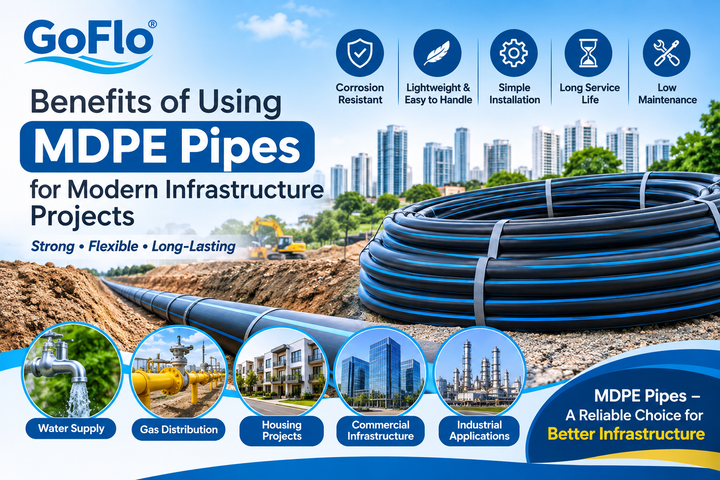
People, business and industry all require access to a water supply. An effective water distribution system ensures that water is successfully and securely distributed. Appropriate Pipe Solutions are therefore important in both setting up and improving a water supply system. HDPE Pipe Solutions are favoured within modern Water Supply Systems due to their high level of flexibility and robustness, together with their anti-corrosive properties.
High density polyethylene is a type of thermoplastic and can be utilised within various Water Supply Systems. Its properties allow it to be employed in sub-surface and municipal and further infrastructure systems. As there is an ever increasing need for resilient water distribution, HDPE water supply pipes have emerged as a good option for systems which aim to function well in the longer term.
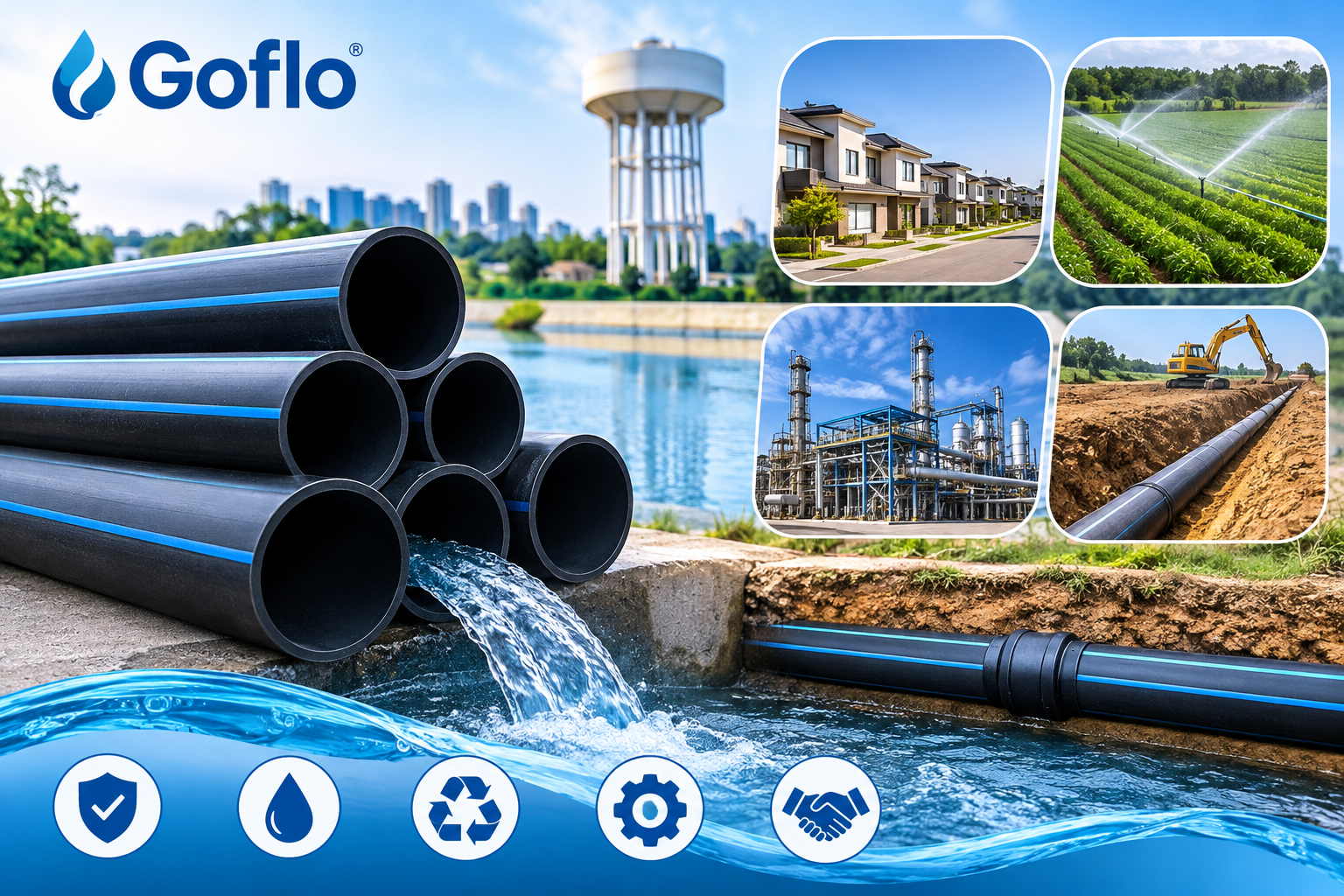
Why Are HDPE Pipes Good for Water Distribution?
An effective water distribution system requires pipes which can endure regular water flow and a range of environmental influences. Conventional pipes can be prone to corrosion and other issues which can then subsequently result in repair needs. HDPE pipes possess features that can overcome these issues.
HDPE has anti-corrosive properties. Unlike metal, it does not corrode and so is suitable for both sub-surface and damp environments.
Alongside being anti-corrosive, HDPE is also highly flexible – so it can adapt to slight shifting of the ground and/or installation environment. In addition, HDPE is light weight, facilitating easier transport and handling. These aspects can therefore aid the installation of the pipes.
Advantages of HDPE Water Supply Pipes
The correct pipe solution can have a significant effect on the functioning and maintenance needs of a water distribution system. HDPE water supply pipes have a variety of advantageous properties.
1. Robust
HDPE is robust and can be utilised in suitable environments. It is also impact resistant; meaning it can typically withstand installation and handling issues. When suitably chosen for a particular project, HDPE can facilitate a resilient and long lasting water distribution system.
2. Secure Pipe Connections
Water escaping from a pipe can cause wastage and increase maintenance needs. Appropriate fusion methods can be utilised to create solid connections between HDPE pipes, thus minimising the likelihood of water escape. This in turn can aid the creation of a well-functioning water supply system.
3. Anti-Corrosive and Chemical Resistant
Water supply pipes are frequently installed in environments where they may encounter damp soil and so on. HDPE demonstrates good anti-corrosive properties and is also largely resistant to numerous chemicals. It is therefore a versatile option for a variety of water related systems.
4. Transportable and Installable
As previously mentioned, HDPE is light weight and so can generally be more easily transported, handled and installed. Furthermore, depending on the pipe size and system design, the flexibility of HDPE can enable pipes to be installed in various situations.
HDPE Pipe Solutions – Water Supply Uses
HDPE pipes are utilised in a number of areas which need to successfully distribute water. Appropriate Pipe Solutions will depend on factors such as pressure, pipe size and water quality along with installation information.
Households, Housing and Business
Houses, housing estates and businesses all need good water supply provision. HDPE pipes can be used within sub-surface water distribution systems to move water between supply points and areas.
Municipal Water Distribution Systems
Municipal systems need to securely distribute water throughout a community. Due to its anti-corrosive properties together with its flexibility and fusion connection capability, HDPE Pipe Solutions can be applied within suitable municipal Water Supply Systems.
Agricultural Water Supply and Irrigation
Water must be consistently available for agriculture in order to irrigate crops. HDPE pipes can be utilised to convey water around farms, fields and irrigation systems. Given that HDPE is robust and anti-corrosive, it can typically be successfully used in a range of agricultural settings.
Industrial Water Supply Applications
Many industries need to utilise pipe systems to supply water for varying purposes including for example, processes and cooling. HDPE pipes can be an appropriate solution for particular industrial water supply situations if they are suitable for the required pressure, are compatible with relevant chemicals and are fit for the intended environment.
Determining Suitable HDPE Pipes for Water Distribution
Whilst cost is a consideration when deciding on Pipe Solutions, other technical considerations are also important:
Pipe Size
The pipe should be the correct size in order to allow for the required water flow. Incorrect pipe sizes can in turn influence water pressure and so distribution efficiency.
Pressure Rating
Choose pipes which are able to endure the correct pressure for the planned environment. System design should take into consideration both typical and potential differing pressures.
Quality and Standards
Review the product information and relevant standards. Good quality is key to ensuring that a pipe functions effectively.
Installation Requirements
Factors which should be analysed when deciding on suitable pipes include the nature of the soil, installation depth, connection type and general installation environment.
Pipe Connections and Fittings
Suitable connections are vital in order to preserve the effectiveness of an overall pipe system. In addition, pipe connections should be competently made.
Correct Installation and Maintenance of HDPE Pipes
Appropriately installed high quality pipes will function well. Installation should be conducted in accordance with manufacturer and technical guidance. Appropriate ground preparation, as well as careful handling, layout and connection of the pipes can all help to avoid installation issues.
Furthermore, regular examination of a water distribution system can assist in the detection of potential system issues. Whilst HDPE pipes tend to have low maintenance needs, examining pipe connections, along with pipe fittings and above-ground pipes, can contribute to the continued good functioning of a water supply system.
Choose Reliable HDPE Pipe Solutions for Better Water Management
To establish a well-working water supply system, it is important to utilise appropriate Pipe Solutions and to ensure that pipes are correctly sized. HDPE Pipe Solutions are favourable as they are both flexible and anti-corrosive. In addition, when correctly installed, HDPE pipes can form solid fusion connections. These positive attributes make HDPE water supply pipes a good option for numerous water related systems, including those within the household, agriculture, business, municipal and industrial sectors.
Prior to determining which pipe system to implement, it is essential to analyse pertinent information relating to a project including for example, pressure, relevant standards and installation circumstances. Appropriate HDPE Pipe Solutions can be favourably applied in order to establish a resilient water supply system and so effectively manage water resources in the longer term.click here