Why Product Information Matters When Shopping for Toys Online
Posted by Lisa Shelby
Filed in Shopping 1 view
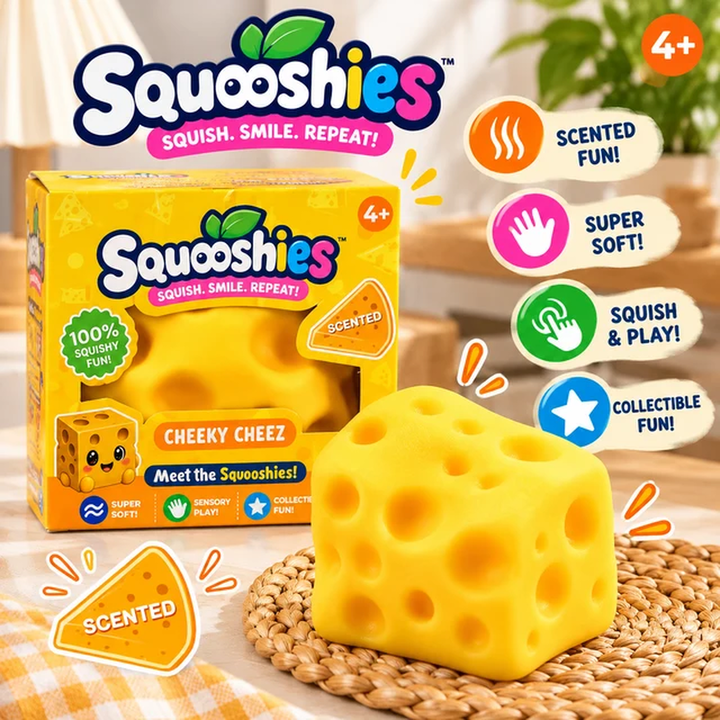
Shopping for children's toys online gives parents access to a wide range of products without needing to visit several physical shops. They can explore different designs, compare prices and find toys that match their children's interests. However, buying a product without seeing or handling it in person also creates a challenge. Customers must rely on the information provided on the website to understand what they are purchasing.
Product information helps shoppers make decisions based on more than photographs and attractive product names. Details about materials, dimensions, age recommendations, features and care instructions can help parents decide whether a toy is suitable for their child. Without this information, it can be difficult to know what to expect when an order arrives.
Understanding product information is therefore an important part of online toy shopping. It helps customers compare products, recognise important differences and avoid common purchasing mistakes.
Product Information Helps Customers Make Informed Decisions
When shopping in a physical store, parents can usually examine a toy before buying it. They may check its size, feel its material and see how its different parts work. Online shopping does not always offer the same opportunity.
A detailed product listing helps fill this information gap. It provides written details that explain the product's main features and intended purpose. Customers can use these details to decide whether the toy matches their expectations.
For example, a photograph of a plush toy may show its design and colour, but it may not communicate its exact dimensions or filling material. A clear description can provide these missing details.
This makes product information an important part of the buying process. Instead of relying entirely on appearance, parents can consider the actual characteristics of the item.
Understanding the Recommended Age Range
Age recommendations are among the most important details to check when purchasing toys for children. Different toys are designed for different stages of development, and their features may not be suitable for every age group.
A toy designed for older children may contain small components or require abilities that younger children have not yet developed. Similarly, a product intended for toddlers may not offer the level of challenge an older child is looking for.
Product information can explain the manufacturer's recommended age range and provide additional warnings. Parents should read these details carefully rather than assuming that a toy is suitable simply because it looks simple or attractive.
Age recommendations are useful guidance, but parents should also consider the individual child's abilities and follow all safety instructions.
Knowing Which Materials Are Used
The materials used in a toy influence its appearance, texture, weight and everyday care requirements. This information can be particularly useful when choosing products for children with different play preferences.
For example, a plush toy may have a fabric outer covering and a soft filling. A sensory toy may use a flexible material designed for squeezing or pressing. Other products may contain firm plastic components or a combination of different materials.
Understanding these details helps parents decide whether the product is appropriate for the intended activity. It also gives them a better idea of how the toy may need to be cleaned and maintained.
Customers should avoid making assumptions about material safety based on general descriptions alone. If a product listing does not provide enough information, contacting the retailer or manufacturer can help clarify important questions.
Product Dimensions Prevent Unexpected Purchases
One common problem with online shopping is misunderstanding the actual size of a product. Photographs can make an item appear larger or smaller depending on the camera angle and how it is displayed.
Product dimensions help customers understand what they will receive. Measurements such as height, width and length provide a more realistic picture than photographs alone.
This is particularly important when buying plush toys, cushions, building sets and other products where size can influence how the item will be used.
For instance, a small plush toy may be suitable as a travel companion, while a larger one may be intended for use at home. Checking the measurements before ordering can help parents choose an appropriate option.
It can also prevent disappointment when the product arrives and looks different in size from what the customer expected.
Clear Descriptions Explain How a Toy Works
Not every toy is used in the same way. Some are designed for imaginative activities, while others involve building, squeezing, collecting or interactive play.
Product descriptions should explain the main purpose of an item and how children can use it. This helps customers understand whether the product matches their child's interests.
For example, a fidget toy may include parts that can be pressed, twisted or moved. A creative play set may contain several components that children can assemble. A plush toy may be intended mainly for imaginative play or collecting.
Without a clear explanation, shoppers may misunderstand the product's features. A detailed description can set realistic expectations and reduce confusion after delivery.
Understanding What Is Included in the Package
Product photographs sometimes display accessories or decorative items alongside the main product. However, these additional objects may not be included with the purchase.
The package information should explain exactly what customers will receive. This may include the main toy, separate components, accessories or instructions.
For example, a product photograph might show several similar toys together, while the listing may offer only one item. A toy set may include multiple pieces, but a single product may not.
Checking the package contents helps customers understand the actual value of an offer. It also reduces the possibility of ordering something based on an incorrect assumption.
Safety Information Supports Better Choices
Safety information should always be considered when buying toys for children. Product listings may include warnings about small parts, batteries, magnets, cords or other features that require attention.
These details help parents understand whether a toy is appropriate for the child's age and intended activities. For example, a product containing small detachable components may not be suitable for young children who still put objects in their mouths.
Some toys also require supervision or specific handling instructions. These warnings should be read before purchasing and followed during use.
Where relevant, customers can look for manufacturer information about applicable toy safety standards and markings. However, no marking should be treated as a guarantee that a product cannot cause harm or become damaged. Choosing an age-appropriate toy and following its instructions remain essential.
Product Information Makes Comparing Toys Easier
Online stores often offer several products with similar appearances. Without detailed information, it can be difficult to identify the differences between them.
Comparing product descriptions allows customers to look beyond colour and design. They can consider materials, dimensions, functionality, included accessories and maintenance requirements.
For example, two sensory toys may appear almost identical but offer different textures or methods of interaction. One may be designed for squeezing, while another may contain movable components.
These differences can influence which product is more suitable for a particular child. Comparing the available information helps shoppers choose according to their needs rather than making a decision based only on appearance.
Care Instructions Help Customers Maintain Their Purchases
Product information is also useful after a purchase has been made. Cleaning and care instructions explain how to maintain a toy and avoid unnecessary damage.
Different materials require different cleaning methods. Some toys can be wiped with a damp cloth, while others may have specific washing instructions. Electronic products may require extra care around batteries and internal components.
If customers ignore these instructions, they may unintentionally damage the product. For example, washing a toy that is not designed for machine cleaning could affect its shape, texture or construction.
Parents should check the care information before buying, especially when choosing toys that children are likely to handle frequently.
Customer Reviews Provide Additional Insights
Customer reviews can help shoppers understand how a product performs in everyday situations. They may provide useful observations about its actual size, appearance, packaging and ease of use.
For example, a customer might explain that a toy is smaller than expected or that its colour looks slightly different from the product photograph. Others may comment on the material or whether the product matches its written description.
Reviews are useful, but they should not replace official product information. Individual experiences can vary, and one person's opinion may not represent the experience of every buyer.
It is better to look for repeated comments about particular features. If several customers mention the same issue, it may be worth checking that detail before placing an order.
Accurate Product Information Builds Customer Confidence
Customers are more likely to feel confident when a product listing provides clear and consistent information. They want to understand what they are purchasing, what the package contains and whether the item is suitable for their requirements.
Incomplete descriptions can create uncertainty. Shoppers may hesitate when important details such as dimensions, materials or age recommendations are missing.
Clear information makes the buying process easier because customers do not have to guess about essential product features. It also helps create realistic expectations about delivery and the item itself.
For online retailers, providing useful product information is an important part of creating a positive shopping experience. Customers benefit when listings explain products honestly and avoid making unsupported claims.
How to Recognise a Helpful Product Listing
A helpful product listing should provide enough information for customers to understand the item before purchasing. The product name should clearly identify what is being sold, while photographs should show the item from useful angles.
The written description should explain the product's main features, intended use and important specifications. Where relevant, it should include dimensions, materials, age recommendations, package contents and care instructions.
Safety warnings should also be easy to identify. If the product has specific limitations or requires additional supervision, these details should not be hidden behind general promotional language.
Customers can also check whether the information is consistent across the product title, photographs and description. If different sections appear to describe different products, it is sensible to ask for clarification.
When browsing different toy categories, shoppers can explore https://gifzy.co.uk/ to see available products and review the information provided with individual listings.
Product Information Can Help Reduce Returns
Incorrect expectations are one reason customers may become dissatisfied with online purchases. A toy may arrive in a different size than expected, contain fewer accessories than the shopper assumed or have features that were not understood before ordering.
Accurate product information can help reduce these misunderstandings. When shoppers know what is included and understand the product's specifications, they are better prepared for what will arrive.
This does not mean that every return can be avoided. Sometimes a product may arrive damaged or differ from the description. However, clear information helps prevent problems caused by misunderstandings during the purchasing process.
Customers should still review the retailer's delivery and returns policies before completing an order. These policies explain what options may be available if a product is unsuitable or does not match the listing.
The Importance of Checking Information Before Placing an Order
It is easy to make a quick decision when a toy has an attractive design or a discounted price. However, spending a little more time reviewing the listing can help prevent avoidable mistakes.
Parents should begin by checking the recommended age range and safety warnings. They can then review the materials, dimensions and main features. Package contents and care instructions should also be considered before making a final decision.
If an important detail is missing, asking the retailer is a better approach than making assumptions. This is especially important when the product is intended for a younger child or has features that require particular care.
A consistent approach to checking product information can make online shopping more straightforward and help families select toys that match their expectations.
Final Thoughts
Product information plays an important role in online toy shopping because customers cannot always examine products before purchasing them. Clear descriptions provide details about materials, dimensions, age recommendations, features, package contents and safety instructions.
These details help parents compare products, understand their differences and make choices based on their children's interests and requirements. They also help reduce confusion about what to expect when an order arrives.
Rather than choosing a toy based only on its photographs or price, shoppers should take time to read the available information. A well-informed purchase is more likely to meet expectations and provide an enjoyable experience for both children and parents.