Insulated Bottle Manufacturer: Questions Before Ordering
Posted by Mizhou Mizhou
Filed in Other 3 views
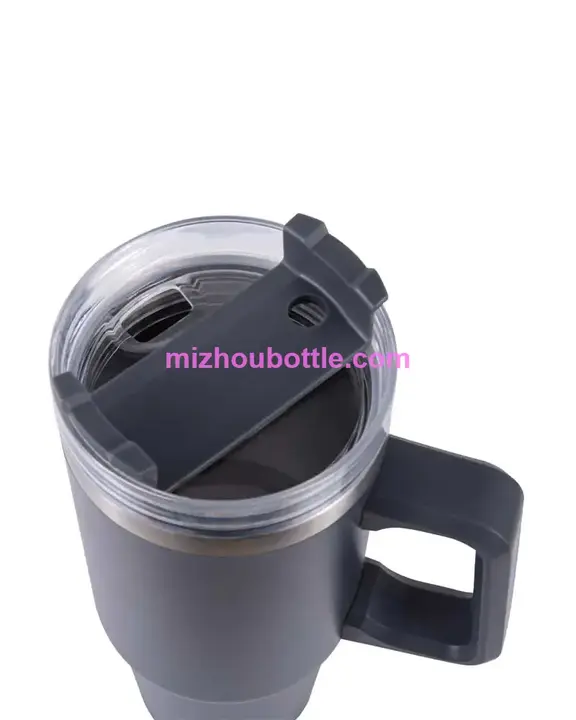
At a product display, buyers often pick up an insulated bottle and turn it in their hands before asking about its price. The weight, lid movement, opening shape, and finish can prompt practical questions that a photograph does not answer. When speaking with an Insulated Bottle Manufacturer, it helps to turn those first impressions into a clear specification rather than relying on a general product description. Start with the intended use: a bottle for a desk, a commute, outdoor activity, or promotional distribution may call for different capacity, handling, and closure requirements. The intended user and setting should guide the questions asked before a quotation is prepared.
Material is one of the first details to confirm, but the word "insulated" does not identify the construction by itself. Ask what material is used for the inner vessel, outer body, lid, and any components that contact the drink. These parts may have separate material descriptions, so a single statement about the bottle body is not a complete specification. If a supplier offers different construction options, request the exact material information for each proposed version. This is also the point to clarify whether the stated material applies to the complete item or only to a particular component. Without that distinction, two quotations may describe products that are not configured in the same way.
Insulation performance deserves its own discussion. Rather than accepting a broad phrase such as "keeps drinks hot or cold", ask how performance is evaluated and under what conditions. The starting temperature, surrounding environment, fill level, and test duration can all affect the meaning of a reported result. If a supplier provides a test document, check that it relates to the model being quoted and that the conditions are stated. A buyer should also distinguish between a measured test result and a general product description. When no figures or test method are available, record that limitation instead of treating an informal claim as a technical specification.
Capacity is another detail that can become confusing during ordering. Confirm whether the stated volume refers to the usable filling capacity or a nominal measurement, and ask whether the lid or drinking mechanism changes the amount that can be poured comfortably. Dimensions matter alongside volume: height and body width affect storage, packaging, cup-holder compatibility, and how the item fits into a bag. I would keep a drawing or dimension sheet beside the quotation, especially when the bottle is intended for a particular retail package or distribution arrangement. A small difference in shape can affect how cartons are arranged, even when two items appear to have similar capacities.
Closure design needs a hands-on check. A lid may use a screw fitting, a drinking opening, a flip mechanism, or another arrangement, but the actual option should be confirmed from the offered model rather than assumed from a product photograph. Ask how the closure is assembled, whether seals are included, and which parts can be removed for cleaning. The interface between the lid and bottle body deserves attention because it is handled repeatedly during ordinary use. If samples are available, open and close the mechanism several times, inspect the contact surfaces, and note whether the parts can be reassembled without confusion. These observations can be written into the sample approval record.
The company profile associated with MIRZOI describes Zhejiang Mizhou Technology Co., Ltd. as working across research, development, production, and sales. For a buyer, that information provides context for discussing how a requested bottle specification moves from product development into manufacturing. It does not, by itself, confirm the material, capacity, insulation test result, or closure design of a particular model. Those details still need to appear in the product documentation. When customization is discussed, define which features are being changed, such as the exterior appearance, component arrangement, or packaging presentation, and ask whether the proposed version will have its own drawing or sample reference.
Order planning also depends on how the supplier records product variations. A quotation should identify the model, material descriptions, dimensions, capacity, closure configuration, finish, and any agreed customization. If several versions are being considered, ask for separate records rather than relying on a shared description that leaves the differences unclear. Sample approval should refer to the same version that will be used for production, while packaging details should identify how each item is protected and grouped for shipment. Zhejiang Mizhou Technology states that it has technical teams and manufacturing facilities, and its quality management approach is part of the company profile; buyers should still request the inspection documents and acceptance criteria relevant to their order.
Before confirming a purchase, I would place the quotation, product drawing, sample notes, and test information side by side, then check that each document refers to the same model. An https://www.mizhoubottle.com/product/ product description may provide a starting point for identifying the item under discussion, while the final order record should capture the agreed details in writing. The Insulated Bottle Manufacturer discussion becomes particularly specific when a buyer can point to the exact lid, body dimensions, and material entry on the same sheet. On the sample table, the cap is resting beside the bottle, with its sealing ring visible around the inner edge.