What Causes Vitiligo and Why Does It Spread?
Posted by John Bailey
Filed in Health 0 views
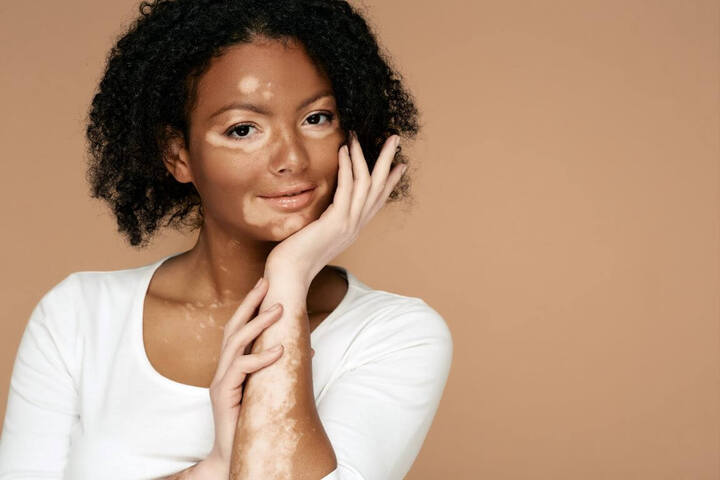
White patches that appear on the skin can raise questions, especially when they grow, change shape, or develop in new areas.
Vitiligo is a skin condition that causes the loss of pigment, and its progression can look different from person to person. Some people notice one or a few patches that remain limited to a particular area, while others experience changes across several parts of the body.
Understanding the causes of focal vitiligo helps explain why these patches develop and why they may sometimes spread. Vitiligo is primarily an autoimmune condition, but genetic factors, skin injuries, and other triggers may also contribute.
It is not contagious, and its progression does not necessarily indicate that someone is unwell.
Knowing what influences vitiligo can help people recognize changes, understand available care options, and make informed decisions about their skin health.
What Causes Vitiligo?
Vitiligo develops when the skin loses melanocytes, the cells responsible for producing melanin, the pigment that gives skin its color. In most cases, this happens because the immune system mistakenly attacks these pigment-producing cells.
The exact reason this process begins is not fully understood. Researchers believe that a combination of immune system activity, genetic susceptibility, and environmental triggers contributes to the condition.
1. An autoimmune response
The immune system normally protects the body against infections and other threats. In autoimmune conditions, it mistakenly targets healthy cells or tissues.
In vitiligo, immune cells attack melanocytes, reducing the skin's ability to produce pigment. As these cells are damaged or destroyed, lighter patches appear.
This immune response is the main established mechanism behind vitiligo. However, it does not explain every detail of why the condition begins or why it progresses differently among individuals.
2. Genetic factors and family history
Genes can influence a person's likelihood of developing vitiligo. Having a close relative with the condition increases the risk, although many people with vitiligo have no known family history.
Vitiligo does not follow a simple inheritance pattern. Several genes associated with immune function and pigment-producing cells may contribute to susceptibility.
A family history of other autoimmune conditions, including autoimmune thyroid disease, may also be relevant. However, genetic susceptibility does not mean someone will inevitably develop vitiligo.
3. Skin injuries and environmental triggers
Certain events may trigger the appearance of vitiligo or contribute to new patches in susceptible individuals. These include:
-
Severe sunburn.
-
Cuts, scrapes, burns, or repeated skin friction.
-
Exposure to certain industrial chemicals or pigment-disrupting substances.
One recognized response is the Koebner phenomenon, in which vitiligo patches develop at sites of skin injury. The precise relationship between a trigger and disease progression varies, and not every injury causes a new patch.
Stress is also discussed as a possible contributing factor. Although stressful experiences may coincide with the onset or worsening of vitiligo, they are not a proven sole cause.
Why Does Vitiligo Spread?
Vitiligo can spread when the immune process affecting pigment-producing cells continues. Existing patches may become larger, and new patches may appear elsewhere on the body. The pattern depends partly on the type of vitiligo a person has.
Progression is unpredictable. Some people experience periods of change followed by months or years without noticeable changes. Others develop new patches more frequently.
Several factors may help explain why the condition changes:
-
Ongoing immune activity: Continued damage to melanocytes can lead to additional pigment loss.
-
Skin trauma: Injuries or repeated friction may trigger patches in affected individuals.
-
Type of vitiligo: Different forms tend to follow different patterns of progression.
-
Individual susceptibility: Genetic and immune factors may influence how the condition develops.
A patch becoming larger does not necessarily mean vitiligo will continue spreading indefinitely. A dermatologist can assess changes and discuss ways to manage active disease.
Can Focal Vitiligo Spread to Other Parts of the Body?
Focal vitiligo describes a pattern in which a few patches of lost pigment remain limited to one or a small number of areas. It is a description of the distribution of patches, rather than a guarantee about how the condition will behave in the future.
Some localized patches remain stable. In other cases, additional patches develop, or the pattern changes over time.
It is helpful to distinguish focal vitiligo from two other forms:
| Type | Typical pattern | Progression |
|---|---|---|
| Focal vitiligo | A few patches in a limited area | May remain localized, but further changes are possible |
| Segmental vitiligo | Patches on one side or segment of the body | Often progresses for around 6 to 12 months before stabilizing |
| Non-segmental vitiligo | Often symmetrical patches on both sides of the body | May progress intermittently over many years |
These patterns can overlap or change, so appearance alone may not establish the type. A dermatologist can assess the distribution and history of pigment loss to determine the most appropriate classification.
What Are the Early Signs of Vitiligo Progression?
Recognizing changes can help you discuss the condition with a dermatologist and decide whether your management plan needs to be reviewed.
Possible signs include:
-
Existing white patches increasing in size.
-
New patches appearing in previously unaffected areas.
-
Loss of pigment around the eyes, mouth, hands, feet, or other body sites.
-
Hair turning white within an affected area, including the scalp, eyebrows, or eyelashes.
-
Changes in the borders or distribution of existing patches.
Vitiligo patches are often clearly defined and lighter than the surrounding skin. However, other conditions can also cause light-colored patches, so a new spot should not automatically be assumed to be vitiligo.
Consider taking occasional photographs under similar lighting conditions. This can help you track changes and provide your dermatologist with a clearer picture of progression.
How Is Vitiligo Diagnosed?
A dermatologist usually diagnoses vitiligo by examining the skin and reviewing the person's medical and family history.
The evaluation may include:
-
Skin examination: The clinician checks the location, color, and distribution of patches.
-
Wood's lamp examination: A special ultraviolet light can make areas of pigment loss easier to identify.
-
Blood tests: These may be recommended when the medical history or symptoms suggest an associated autoimmune condition, such as thyroid disease.
-
Skin biopsy: Occasionally, a small skin sample is needed when the diagnosis remains uncertain.
Not everyone needs every test. The evaluation depends on the appearance of the patches and other clinical findings.
Seek an assessment if you notice unexplained white patches, particularly if they are changing or spreading. Early evaluation can help distinguish vitiligo from other causes of pigment loss and identify suitable management options.
Can You Stop Vitiligo From Spreading?
There is currently no guaranteed way to prevent vitiligo from developing or spreading. However, medical treatment may help slow or stabilize active pigment loss and encourage some color to return.
Treatment options
A dermatologist may discuss the following approaches based on the affected areas, disease activity, age, and treatment goals.
Topical medications: Prescription creams, including corticosteroids or calcineurin inhibitors, may help restore pigment in selected areas.
Light therapy: Narrowband ultraviolet B (NB-UVB) treatment can help stimulate repigmentation and may be considered when several areas are affected. Targeted light treatments may suit more localized patches.
Other prescription treatments: Certain treatments target immune pathways involved in vitiligo. Their suitability depends on the individual's circumstances and the specific treatment's approval and risks.
Surgical procedures: Selected people with stable vitiligo may be candidates for procedures that transfer pigment-producing cells to affected skin. These are generally not appropriate for actively spreading disease.
Results vary. Treatment may take months, and pigment may return unevenly or not at all in some areas. Even when a patch improves, new patches can still appear.
Everyday skin care
A few practical measures can help protect affected skin:
-
Apply broad-spectrum sunscreen with SPF 30 or higher to exposed skin.
-
Wear protective clothing and avoid sunburn.
-
Reduce repeated friction and avoid unnecessary skin injuries.
-
Discuss suspected chemical exposures with a dermatologist.
-
Seek support if changes in appearance affect your confidence or emotional well-being.
These steps support skin health, but they cannot guarantee that vitiligo will stop progressing. Do not start, stop, or change prescription treatments without medical guidance.
Does Vitiligo Mean You Have Another Health Condition?
Not necessarily. Many people with vitiligo are otherwise healthy. However, vitiligo is associated with a higher likelihood of certain autoimmune conditions, particularly autoimmune thyroid disease.
A clinician may review symptoms, personal history, and family history to determine whether further evaluation is appropriate. Fatigue, unexplained weight changes, or unusual sensitivity to heat or cold are worth discussing with a healthcare professional, although these symptoms can have many causes.
Vitiligo can also affect emotional well-being. If concerns about visible patches cause persistent distress, support from a healthcare professional or mental health specialist may be helpful.
Conclusion
Vitiligo occurs when the immune system attacks pigment-producing cells. Its progression varies, and although spreading cannot always be prevented, treatment and regular dermatological care may help manage the condition. Protecting skin from sunburn and injury can also help reduce avoidable damage.
Indiana University School of Medicine offers dermatology research opportunities for eligible participants. If you are considering whether to join a clinical study for vitiligo, review the eligibility requirements and consult the research team for current study details.