IV Drip Therapy: What Happens Inside Your Body?
Posted by Enfield Oman
Filed in Health 0 views
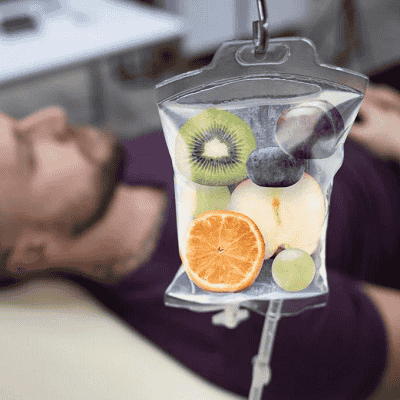
The human body relies on a delicate balance of fluids, vitamins, minerals, and electrolytes to maintain normal functions. From supporting cellular activity to regulating body temperature and transporting nutrients, these essential substances play an important role in everyday health. When the body experiences dehydration or certain nutritional deficiencies, appropriate medical treatment may be necessary to restore balance. One treatment option that has gained attention is intravenous (IV) drip therapy.
Interest in IV Drip in Oman has encouraged many people to learn more about how this treatment works beyond the actual infusion process. IV drip therapy involves delivering fluids and selected nutrients directly into the bloodstream through a vein. Once administered, these substances circulate throughout the body and interact with different organs, tissues, and cells. Understanding what happens inside the body during an IV infusion helps individuals develop realistic expectations and make informed decisions about their health.
1. How IV Drip Therapy Enters the Body and Reaches the Bloodstream
IV drip therapy uses a small intravenous catheter to introduce a prescribed solution directly into a vein. Unlike oral supplements, which travel through the digestive system before nutrients are absorbed, intravenous substances enter the circulation without first passing through the gastrointestinal tract.
The process begins when a healthcare professional selects a suitable vein, usually in the arm or hand. The skin is cleaned with an antiseptic solution before a small flexible cannula is inserted. Once the cannula is positioned correctly, the infusion is connected and administered at a controlled rate.
As the fluid enters the bloodstream, it becomes part of the circulating blood volume. The heart continuously pumps blood throughout the circulatory system, allowing water-soluble substances and other suitable ingredients to reach different tissues.
Depending on the formulation, an IV drip may contain:
-
Fluids: Help restore fluid levels in certain cases of dehydration.
-
Electrolytes: Such as sodium and potassium, which contribute to fluid balance and normal nerve and muscle activity.
-
Vitamins: Selected vitamins may be administered when clinically indicated.
-
Minerals: Certain minerals support cellular and metabolic processes.
-
Other prescribed ingredients: Additional substances may be included depending on the individual's medical requirements.
One important distinction is that intravenous administration does not automatically make every nutrient more effective. The benefits depend on the substance, its dosage, the individual's health, and whether there is a genuine medical reason for using this delivery method.
2. What Happens to IV Fluids Inside the Body?
One of the main purposes of certain IV infusions is to help restore fluid balance. Water is essential for nearly every major biological process, including circulation, digestion, temperature regulation, and waste removal.
When an individual experiences dehydration, the body may lose more fluid than it takes in. This can affect blood volume and the normal functioning of several organs.
How the Body Uses Intravenous Fluids
When an appropriate IV fluid enters the bloodstream, it increases the amount of fluid within the circulation. Depending on the type of solution, some of this fluid remains within the blood vessels, while some moves into the surrounding spaces between cells.
This process is influenced by the concentration of dissolved substances, particularly electrolytes, in different body compartments.
The body constantly regulates fluid distribution through several mechanisms:
Circulatory System: Adequate fluid volume helps maintain blood circulation and supports the delivery of oxygen and nutrients to tissues.
Kidneys: The kidneys filter the blood, regulate water and electrolyte levels, and remove waste products through urine.
Hormonal Regulation: Hormones such as antidiuretic hormone and aldosterone help control how much water and sodium the kidneys retain or release.
Cellular Function: Water helps maintain the internal environment required for normal cellular activities.
For individuals with certain types of dehydration, medically appropriate IV fluids may help restore fluid balance when drinking fluids is insufficient or unsuitable.
However, excessive fluid administration can be harmful, particularly for people with certain heart or kidney conditions. This is why the type and quantity of IV fluids must be selected according to individual medical needs.
3. How Vitamins and Minerals Interact With Cells After an IV Drip
Vitamins and minerals perform different functions throughout the body. They participate in energy metabolism, tissue maintenance, immune function, nerve communication, and numerous other biological processes.
When selected nutrients are administered intravenously, they enter the bloodstream and become available for distribution to tissues.
The body then uses, stores, transforms, or eliminates these substances depending on the nutrient and its physiological requirements.
Vitamin C and Cellular Protection
Vitamin C is a water-soluble nutrient that supports collagen production, wound healing, and normal immune function. It also acts as an antioxidant, helping protect cells from oxidative damage.
When vitamin C is administered intravenously, it enters the circulation directly. However, high-dose intravenous vitamin C is different from routine nutritional supplementation and may require additional medical assessment.
Vitamin B Complex and Energy Metabolism
Several B vitamins participate in the processes that convert carbohydrates, fats, and proteins into usable energy.
For example:
-
Vitamin B1 supports normal carbohydrate metabolism and nerve function.
-
Vitamin B2 contributes to cellular energy production.
-
Vitamin B3 participates in metabolic reactions.
-
Vitamin B6 supports protein metabolism and neurotransmitter production.
-
Vitamin B12 is essential for red blood cell formation and normal neurological function.
These nutrients help maintain normal physiological processes, but they do not necessarily provide an immediate energy boost when administered to someone who already has adequate levels.
Magnesium and Muscle Function
Magnesium contributes to muscle contraction, nerve signalling, and numerous enzyme reactions. It also plays a role in maintaining normal heart rhythm.
Intravenous magnesium may be used in specific medical situations, but excessive administration can cause complications and requires appropriate monitoring.
Electrolytes and Fluid Balance
Electrolytes such as sodium, potassium, and chloride help regulate fluid distribution and electrical activity in nerves and muscles.
Maintaining the correct electrolyte balance is essential. Both deficiencies and excessive levels can affect normal body functions.
For this reason, electrolyte-containing infusions should be selected carefully rather than used as general wellness treatments without medical assessment.
4. How IV Drip Therapy Affects Different Organs and Body Systems
After an infusion enters the bloodstream, its ingredients may interact with several organs and body systems. The exact effects depend on the formulation and the individual's health condition.
The Heart and Circulatory System
The cardiovascular system transports blood throughout the body. When dehydration reduces circulating fluid volume, circulation may be affected.
Appropriate intravenous fluids can help restore volume in certain clinical situations. However, excessive fluid administration may place additional strain on the heart, particularly in people with underlying cardiovascular conditions.
The Kidneys and Urinary System
The kidneys play a major role in regulating the body's internal chemical environment. They filter waste products, control electrolyte concentrations, and help maintain fluid balance.
Following an IV infusion, the kidneys may adjust urine production depending on the amount and type of fluid administered and the body's hydration status.
Individuals with impaired kidney function require particular care because they may not eliminate excess fluids or certain minerals effectively.
The Brain and Nervous System
The brain depends on stable fluid and electrolyte levels to maintain normal neurological activity.
Significant dehydration or electrolyte disturbances can contribute to headaches, confusion, dizziness, and other neurological symptoms.
Correcting an underlying imbalance may help improve symptoms when the problem is related to fluid or electrolyte disturbances. However, IV vitamin therapy should not be considered a general treatment for headaches, stress, or neurological conditions.
The Digestive System
The digestive system is responsible for breaking down food and absorbing nutrients.
IV therapy bypasses the digestive tract, which can be useful when a particular nutrient cannot be adequately absorbed through oral intake or when a medical condition makes oral administration unsuitable.
Nevertheless, it does not replace the digestive system's broader role in nutrition.
The Muscles and Tissues
Muscles depend on adequate hydration, electrolytes, and nutrients to function normally.
When a person experiences a confirmed fluid or electrolyte imbalance, appropriate treatment may support the restoration of normal muscle function. However, IV therapy is not a substitute for exercise recovery, balanced nutrition, or adequate rest.
5. How Quickly Does the Body Respond to IV Drip Therapy?
The body's response to an IV infusion depends on several factors, including the ingredients, infusion rate, medical condition, and severity of any existing deficiency or dehydration.
Because intravenous substances enter the circulation directly, their presence in the bloodstream begins during administration. However, this does not mean that every ingredient produces an immediate noticeable benefit.
Immediate Physiological Changes
With appropriate fluid administration, changes in circulating fluid volume begin as the infusion progresses. Individuals receiving treatment for certain forms of dehydration may experience improvement in related symptoms as their fluid balance is restored.
The response varies according to the severity of dehydration and the person's underlying health.
Nutrient Availability
Vitamins and minerals become available for distribution after entering the bloodstream. However, the time required for the body to use them or for a deficiency-related symptom to improve varies considerably.
For example, correcting a significant vitamin deficiency may require ongoing treatment and follow-up rather than a single infusion.
Individual Health Factors
Several factors can influence treatment response:
-
Existing nutritional deficiencies.
-
Kidney and liver function.
-
Age and general health.
-
The type and quantity of ingredients administered.
-
Current medications.
-
Underlying medical conditions.
-
The body's ability to use and regulate specific nutrients.
Some individuals may notice improvement when an infusion addresses an existing medical problem, while others may not experience any obvious difference.
It is important to avoid unrealistic expectations. IV drip therapy is not guaranteed to improve energy, immunity, skin appearance, or general wellness in every individual.
6. Possible Side Effects, Safety Measures, and What Happens After Treatment
Although IV drip therapy can be useful for certain medical indications, it is still an invasive procedure and carries potential risks.
Understanding these risks helps individuals make informed decisions before receiving an infusion.
Possible Side Effects
Some of the possible complications include:
-
Mild pain or bruising around the insertion site.
-
Temporary redness or swelling.
-
Nausea or dizziness.
-
Irritation or inflammation of the vein.
-
Infection at the cannula insertion site.
-
Allergic reactions to infusion ingredients.
-
Electrolyte disturbances.
-
Fluid overload in susceptible individuals.
Serious reactions are uncommon but require immediate attention. Difficulty breathing, chest pain, facial or throat swelling, widespread hives, or severe dizziness should never be ignored.
Why Medical Assessment Matters
Before treatment, a healthcare professional should review the individual's medical history, allergies, medications, and existing health conditions.
Additional testing may be necessary when a nutritional deficiency, electrolyte imbalance, or other medical concern is suspected.
People with heart or kidney disease may need special precautions because their bodies may have difficulty managing additional fluids or certain minerals.
What Happens After the Infusion?
Once the prescribed solution has been administered, the cannula is removed and the insertion area is covered with a small dressing.
Depending on the formulation and medical history, the individual may be observed briefly before leaving.
Aftercare generally involves:
-
Keeping the insertion site clean.
-
Following the recommended fluid intake.
-
Monitoring for redness, swelling, or persistent discomfort.
-
Eating balanced meals.
-
Avoiding unnecessary additional supplements.
-
Following any specific medical instructions.
Most individuals can resume normal activities after a straightforward infusion if they feel well. However, ongoing or unusual symptoms should be evaluated by a healthcare professional.
For individuals exploring IV drip therapy in Oman, the most important consideration is choosing treatment based on genuine health needs and appropriate medical supervision rather than general wellness claims.
Frequently Asked Questions (FAQs)
1. What happens inside the body immediately after an IV drip starts?
Once the infusion begins, the prescribed fluids and ingredients enter the bloodstream through a vein. They become part of the circulation and are transported throughout the body. Their effects depend on the formulation and the individual's medical needs.
2. Does an IV drip go directly into the cells?
No. IV fluids and nutrients first enter the bloodstream. From there, certain substances move from the circulation into tissues and cells through normal physiological processes. Different nutrients are transported and used in different ways.
3. How does IV drip therapy help with dehydration?
Appropriate intravenous fluids can help restore circulating fluid volume in certain cases of dehydration. The kidneys and hormonal systems then help regulate the body's fluid and electrolyte balance. The type and amount of fluid depend on the severity and cause of dehydration.
4. Does the body absorb vitamins better through an IV drip?
IV administration bypasses the digestive system and delivers nutrients directly into the bloodstream. However, this does not mean it is always more beneficial than oral supplementation. Intravenous administration is most useful when there is a specific medical reason, such as impaired absorption or a need for a particular treatment.
5. Can IV drip therapy provide immediate energy?
Not necessarily. Although nutrients involved in energy metabolism enter the bloodstream during an infusion, they do not automatically create an immediate energy boost. Individuals with an existing deficiency may benefit from appropriate treatment, but fatigue can have many other causes.
6. Is IV drip therapy safe for regular use?
The safety of repeated IV therapy depends on the ingredients, dosage, frequency, and individual's medical condition. Unnecessary or excessive infusions may cause complications, including fluid overload, electrolyte disturbances, and nutrient toxicity. Regular treatment should only be considered under appropriate medical guidance.
Final Thoughts
IV drip therapy involves more than simply delivering fluids or vitamins into a vein. Once an infusion enters the bloodstream, the circulatory system transports its ingredients throughout the body, where different organs and tissues regulate, use, store, or eliminate them.
Understanding these processes helps explain why IV therapy may be useful for certain medical conditions while offering limited benefits for individuals who do not have a specific need for intravenous treatment.
For anyone considering IV drip therapy in Oman, a professional health assessment is an important first step. The right formulation, appropriate dosage, and careful monitoring help reduce unnecessary risks and ensure that treatment is based on individual requirements.
Ultimately, maintaining good health depends on a combination of balanced nutrition, adequate hydration, physical activity, sufficient sleep, and appropriate medical care. IV therapy may have a role in this broader approach when there is a clear clinical reason for using it.
Read More About IV Drip: https://melaaj.com/blogs/51949/5-Signs-You-May-Need-Medical-IV-Hydration