What Should You Avoid After Having Eyelid Surgery?
Posted by Enfield Oman
Filed in Health 6 views
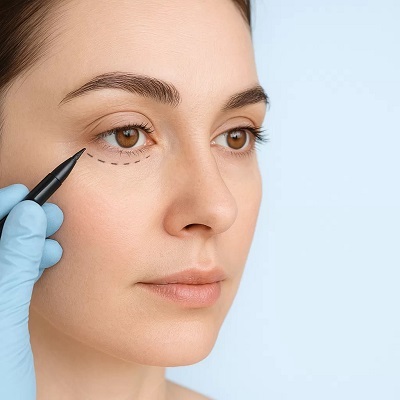
Eyelid surgery, also known as blepharoplasty, is a cosmetic procedure designed to improve the appearance of the upper or lower eyelids. It can help address concerns such as excess skin, drooping eyelids, and under-eye bags, giving the eye area a more refreshed appearance. Although the procedure is generally well tolerated, proper aftercare plays an important role in achieving a comfortable recovery and supporting the desired results.
For individuals considering or recovering from Eyelid Surgery in Muscat, understanding what to avoid after treatment is just as important as knowing what to expect during surgery. The healing process requires patience, careful attention, and compliance with postoperative instructions. Certain activities, skincare products, and everyday habits can increase irritation, swelling, or the risk of complications. Knowing which things to avoid can help patients protect the delicate eye area and support a smoother recovery.
1. Avoid Strenuous Physical Activities and Heavy Exercise
One of the most important precautions after eyelid surgery is avoiding strenuous physical activity during the initial healing period. Exercise increases blood circulation and can raise blood pressure, potentially contributing to swelling, bruising, or bleeding around the surgical area.
Although staying active is beneficial for general health, patients should give their bodies sufficient time to recover before returning to demanding activities.
Activities to Avoid After Surgery
During the early recovery period, patients are generally advised to avoid:
-
Heavy weightlifting and resistance training.
-
Running, jogging, and high-intensity workouts.
-
Swimming and other water-based activities.
-
Contact sports and activities involving physical impact.
-
Activities that require frequent bending or straining.
-
Intense yoga positions that place the head below the heart.
The surgeon will provide specific instructions about when these activities can be resumed. Light walking may be permitted relatively early, provided it does not cause discomfort or interfere with healing.
Why Is Rest Important?
Rest helps the body direct its resources toward tissue repair. Excessive physical exertion can increase pressure around the eyes and potentially worsen postoperative swelling.
Patients should gradually return to their usual exercise routines rather than immediately resuming their previous activity levels. Following individual medical advice helps reduce unnecessary stress on the healing eyelids.
2. Do Not Rub, Touch, or Put Pressure on the Eyes
The skin around the eyes is extremely delicate, and it becomes particularly sensitive after surgery. Rubbing, scratching, or pressing the treated area can interfere with healing and potentially affect the surgical incisions.
Even small amounts of unnecessary pressure may cause irritation or increase discomfort.
Avoid Rubbing the Surgical Area
Patients may experience itching, tightness, dryness, or mild irritation during recovery. Although these sensations can be uncomfortable, touching or rubbing the eyelids should be avoided.
Instead, patients should follow the surgeon's instructions regarding prescribed eye drops, ointments, and other recommended treatments.
Hands should always be washed thoroughly before handling any prescribed postoperative products or performing approved wound care.
Be Careful While Sleeping
Sleeping habits can also affect recovery. Patients are often advised to sleep on their backs with their heads slightly elevated.
This position can help reduce fluid accumulation around the eyes and minimise swelling. Sleeping face-down or pressing the face against a pillow may place unnecessary pressure on the healing tissues.
Using additional pillows or a suitable support arrangement can make maintaining an elevated position more comfortable.
Patients should also avoid sleeping positions that cause them to rub or compress the treated area unintentionally.
3. Avoid Makeup, Skincare Products, and Contact Lenses Too Soon
Cosmetic products and certain skincare ingredients can irritate healing skin. After eyelid surgery, the incision sites need time to recover before they are exposed to regular beauty products.
Returning to a normal skincare routine too early may increase irritation and interfere with proper wound healing.
Avoid Eye Makeup During Initial Recovery
Mascara, eyeliner, eyeshadow, and other eye cosmetics should generally be avoided until the surgeon confirms that the eyelids have healed sufficiently.
Makeup particles can enter the eyes or come into contact with incision sites. Removing makeup may also require rubbing or pulling the skin, which can disturb the healing area.
Patients should wait for medical clearance before returning to their usual makeup routine.
Be Cautious With Skincare Ingredients
Certain skincare products contain active ingredients that may cause irritation, particularly when applied close to sensitive or recently treated skin.
Products containing retinoids, exfoliating acids, strong fragrances, and harsh cleansing ingredients should not be applied near the surgical area until approved by the treating professional.
Gentle cleansing and appropriate postoperative products are generally preferred during the initial healing stage.
When Can Contact Lenses Be Used Again?
Contact lenses may be uncomfortable immediately after eyelid surgery because of temporary swelling, dryness, and sensitivity.
Patients are often advised to use glasses during the initial recovery period. Contact lenses should only be reintroduced when the surgeon confirms that doing so is appropriate.
This precaution helps prevent unnecessary pulling or stretching of the eyelids while inserting and removing lenses.
4. Stay Away From Smoking, Alcohol, and Certain Medications
Lifestyle habits can influence the body's ability to recover after surgery. Smoking, alcohol consumption, and some medications may interfere with healing or increase the likelihood of postoperative complications.
Patients should discuss their usual habits and medications during the preoperative consultation and follow personalised recommendations.
Avoid Smoking and Nicotine Products
Smoking can reduce oxygen delivery to tissues because nicotine causes blood vessels to narrow. Reduced oxygen circulation may interfere with wound healing and increase the risk of complications.
Patients are generally encouraged to stop smoking before surgery and avoid smoking throughout the recovery period. Other nicotine products should also be discussed with the treating professional.
Limit or Avoid Alcohol During Recovery
Alcohol can contribute to dehydration and may interact with medications prescribed after surgery. It can also increase bruising or bleeding risks in certain circumstances.
For these reasons, patients should avoid alcohol during the period recommended by their surgeon, particularly while taking prescription pain medication or other medicines that may interact with it.
Do Not Take Unapproved Medications
Some medications and supplements can increase bleeding or affect the healing process.
These may include certain anti-inflammatory medicines, blood-thinning medications, and herbal supplements. However, patients should never discontinue prescribed medicines independently.
A qualified medical professional should review the patient's medication list and explain which products need to be avoided, adjusted, or continued.
5. Avoid Excessive Sun Exposure and Activities That Irritate the Eyes
Protecting the eyelids from environmental irritation is another important part of postoperative care. Newly healing skin is sensitive and may react more strongly to sunlight, dust, smoke, and other environmental factors.
Patients should take additional precautions when spending time outdoors or returning to their normal daily routines.
Protect the Healing Skin From Sunlight
Direct sunlight can irritate healing skin and may contribute to changes in scar pigmentation.
Patients should avoid prolonged sun exposure during recovery and follow recommendations regarding suitable sun protection.
Wearing sunglasses can help protect the eyes from bright light and reduce exposure to dust and wind. A hat with a brim can provide additional shade when outdoors.
Sunscreen should only be applied near the surgical area when the surgeon confirms that the skin has healed sufficiently.
Avoid Dusty and Smoky Environments
Dust, smoke, and airborne irritants may cause eye discomfort, dryness, or watering.
Patients should avoid environments that expose the eyes to excessive dust, chemical fumes, and smoke, particularly during the initial healing stage.
If exposure cannot be avoided, suitable protective measures should be discussed with the treating professional.
Avoid Swimming and Hot Environments Until Cleared
Swimming pools, hot tubs, and natural bodies of water may expose healing incisions to microorganisms and irritants.
Patients should avoid swimming until the surgical area has healed and the surgeon has approved returning to water-based activities.
Saunas and steam rooms may also increase discomfort or swelling and should be avoided during the period recommended by the surgeon.
6. Do Not Ignore Postoperative Instructions or Warning Signs
Following postoperative instructions is essential for supporting healing and identifying potential problems early. Patients should understand that recovery is not the same for everyone. The recommended precautions may vary depending on whether the procedure involved the upper eyelids, lower eyelids, or both.
Attend All Follow-Up Appointments
Follow-up appointments allow the surgeon to assess swelling, incision healing, eyelid position, and overall recovery.
These visits also provide an opportunity to discuss discomfort, ask questions, and receive updated instructions about daily activities.
Patients should not skip scheduled appointments simply because the initial recovery appears to be progressing well.
Avoid Self-Treating Unexpected Symptoms
Mild swelling, bruising, tightness, and temporary irritation can occur after eyelid surgery. However, symptoms that become increasingly severe should not be ignored.
Patients should seek prompt medical attention if they experience:
-
Sudden changes or loss of vision.
-
Severe or rapidly increasing eye pain.
-
Significant or persistent bleeding.
-
Rapidly worsening swelling, particularly on one side.
-
Increasing redness, warmth, or discharge around the incision.
-
Fever or other signs of infection.
-
Difficulty closing the eyes.
Sudden vision changes, severe pain, or rapidly increasing swelling require emergency assessment.
Follow the Recommended Recovery Timeline
Patients should avoid comparing their recovery with other people's experiences. Healing depends on factors such as the surgical technique, individual health, age, and natural tissue response.
Some people may notice significant improvement within the first couple of weeks, while others require more time for swelling and bruising to settle.
Following professional guidance rather than rushing back into normal activities helps protect the surgical results and supports a safer recovery.
Frequently Asked Questions About What to Avoid After Eyelid Surgery
1. How Long Should Patients Avoid Exercise After Eyelid Surgery?
Strenuous exercise is generally restricted during the initial recovery period, often for at least two weeks. Heavy lifting and high-intensity workouts may require a longer break. The exact timeline depends on the procedure and individual healing progress, so patients should follow their surgeon's instructions.
2. Can Patients Wear Makeup After Eyelid Surgery?
Makeup should be avoided until the incision sites have healed sufficiently and the surgeon has provided clearance. Eye cosmetics may irritate healing tissues, while makeup removal can involve rubbing or pulling the eyelids.
3. Is It Safe to Sleep on the Side After Eyelid Surgery?
Patients are commonly advised to sleep on their backs with their heads elevated during the early recovery period. Side sleeping may place pressure on the treated area. The surgeon can advise when it is safe to return to a normal sleeping position.
4. Can Patients Use a Mobile Phone or Watch Television After Surgery?
Most patients can use electronic devices in moderation when comfortable. However, prolonged screen time may increase eye dryness, fatigue, or irritation. Taking regular breaks, blinking frequently, and following prescribed eye-care instructions can help improve comfort.
5. When Can Patients Return to Normal Daily Activities?
Light activities can often be resumed within several days, depending on individual recovery. Many patients return to work and routine activities within approximately one to two weeks. Strenuous exercise and activities involving pressure around the eyes may require additional recovery time.
6. What Happens If Patients Accidentally Rub Their Eyes After Surgery?
An occasional accidental touch does not necessarily cause a complication. However, repeated rubbing or significant pressure may irritate the surgical area or interfere with healing. Patients should avoid further contact and seek medical advice if they notice bleeding, increased pain, swelling, or changes in vision.
Read More About Eyelid Surgery in Muscat: https://www.americasmallbiz.com/articles/when-will-you-see-final-results-after-eyelid-surgery