Toys for 3 Year Olds: The Best Ways to Make Learning Fun Through Play
Posted by pauls walkers
Filed in Other 21 views
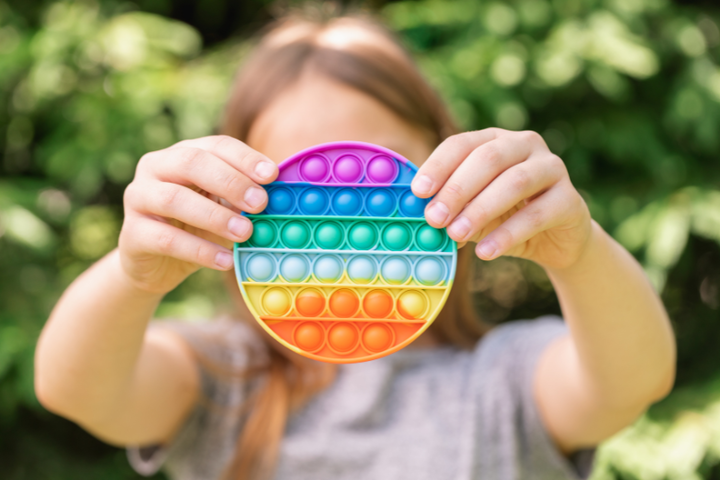
Choosing the right toys for 3 year olds is about much more than keeping little ones entertained. At this exciting age, children are becoming more independent, curious, creative, and eager to explore the world around them. The right toys can encourage imagination, strengthen essential skills, and turn everyday playtime into valuable learning experiences.
However, with countless toys available, finding the best options can feel overwhelming for parents and caregivers. Should you choose building blocks, pretend-play sets, puzzles, or outdoor toys? The answer depends on your child's interests, developmental needs, and personality.
In this guide, we explore the best toys for three-year-olds, explain how different toys support early development, and share practical tips for choosing safe, engaging options that children will enjoy for months to come.
Why Choosing the Right Toys for 3 Year Olds Matters
Three-year-olds experience remarkable developmental changes. Their vocabulary expands, their coordination improves, and their imagination becomes increasingly vivid. They also begin developing social skills, expressing emotions, and learning how to solve simple problems.
Toys can support these milestones by providing opportunities to experiment, ask questions, and discover new abilities.
For example, stacking blocks helps children understand balance and spatial relationships, while pretend kitchens encourage communication and imaginative thinking. Simple puzzles introduce problem-solving, and balls promote movement and coordination.
Nevertheless, the best toy is not necessarily the most expensive or technologically advanced. Often, simple toys that allow children to make choices and explore different possibilities provide the richest play experiences.
Best Toys for 3 Year Olds to Encourage Development
1. Building Blocks for Creativity and Problem-Solving
Building blocks remain among the most versatile toys for young children. Whether children are constructing towers, designing imaginary houses, or creating roads for toy vehicles, blocks encourage experimentation and creative thinking.
They also help develop fine motor skills as children grasp, position, and connect individual pieces. When a tower falls, children have an opportunity to discover why it happened and try a different approach.
Choose large, age-appropriate blocks that are easy to handle. Wooden blocks and oversized interlocking construction pieces can provide hours of open-ended entertainment.
2. Pretend-Play Toys for Imagination
At three years old, children often enjoy imitating adults and recreating familiar experiences. Pretend-play toys allow them to explore everyday activities in a fun, comfortable environment.
Popular choices include toy kitchens, play food, doctor kits, dolls, toy tool sets, and shopping baskets.
Through pretend play, children can practice communication, develop storytelling abilities, and explore different roles. Playing doctor with a stuffed animal, for instance, may help a child understand caring behaviors and express feelings.
Parents can join these activities by asking simple questions, introducing new ideas, and allowing children to lead the story.
3. Puzzles and Matching Games for Early Learning
Puzzles introduce children to shapes, colors, patterns, and logical thinking. They encourage patience and help children learn that complex tasks can be completed one step at a time.
For beginners, choose puzzles with large pieces, clear pictures, and a manageable number of components. Matching cards, shape sorters, and simple memory games can also strengthen observation and recognition skills.
Most importantly, keep the experience enjoyable. If a puzzle becomes frustrating, offer gentle encouragement or switch to an easier activity rather than turning playtime into a test.
4. Art Supplies for Self-Expression
Creative activities give three-year-olds opportunities to communicate ideas before they can fully express them through words.
Washable crayons, chunky markers designed for young children, large sheets of paper, and non-toxic modeling dough are excellent starting points.
Drawing encourages hand control, while modeling dough allows children to squeeze, roll, flatten, and shape different creations. These movements help develop coordination needed for future tasks such as writing.
Instead of focusing on producing perfect pictures, celebrate experimentation. A colorful scribble or an unusual clay shape can represent a child's growing imagination and confidence.
Always supervise art activities and select supplies labeled for the appropriate age.
5. Outdoor Toys for Active Play
Physical activity is essential for healthy childhood development. Outdoor toys help children practice balance, coordination, strength, and body awareness while discovering the world beyond their homes.
Consider balls, ride-on toys, child-sized gardening tools, bubbles, and simple sand-play equipment.
A ball can become part of a kicking game, a target activity, or an opportunity to practice catching. Gardening tools introduce children to nature, while bubbles encourage movement and visual tracking.
Choose equipment appropriate for your child's abilities, provide suitable protective gear when necessary, and supervise outdoor activities closely.
How Educational Toys Support Early Learning
Educational toys can introduce foundational concepts without making learning feel like formal instruction.
Counting bears, shape sorters, alphabet puzzles, and color-matching games help children explore early mathematics, language, and classification. Musical instruments, meanwhile, introduce rhythm, listening, and creative expression.
The key is to choose toys that invite participation rather than simply delivering information. A child who sorts colorful objects while talking about their colors may learn more actively than one who passively watches a screen.
Furthermore, everyday objects can become valuable learning tools. Measuring cups during supervised water play, cardboard boxes for building, and picture books for storytelling can inspire curiosity without requiring a large toy collection.
What to Consider When Buying Toys for 3 Year Olds
Before purchasing a toy, consider several important factors.
Safety comes first. Check age recommendations, inspect materials, and avoid toys with small detachable components that could present choking hazards. Although three-year-olds may be beyond the typical toddler stage, individual developmental differences still matter. Supervise children around small parts, magnets, button batteries, and other potentially dangerous items.
Choose age-appropriate challenges. Toys should be interesting without being unnecessarily difficult. A puzzle that is too simple may lose its appeal quickly, while one that is too complicated can cause frustration.
Look for durability. Well-made toys can withstand repeated use and may be suitable for younger siblings later.
Prioritize open-ended play. Toys that can be used in multiple ways often remain interesting longer than products designed for a single activity.
Consider your child's interests. Some children love vehicles, while others prefer animals, music, art, or pretend play. Following those interests can make playtime more engaging.
How Parents Can Make Playtime More Meaningful
Even the best toys cannot replace interaction, encouragement, and shared experiences.
Parents can support learning by playing alongside their children, asking open-ended questions, and allowing them to solve problems independently when appropriate.
For example, while building with blocks, ask, "What could we do to make the tower taller?" During pretend cooking, encourage your child to describe the meal they are preparing. These small conversations build vocabulary and stimulate critical thinking.
It is equally important to leave room for independent play. Children benefit from having time to explore ideas at their own pace without constant adult direction.
Additionally, rotate toys every few weeks rather than making everything available simultaneously. A smaller selection can help children focus, while reintroducing familiar toys may renew their interest.
Remember that children develop at different rates. Play should remain enjoyable, flexible, and responsive to individual needs.
Common Mistakes to Avoid When Choosing Children's Toys
One common mistake is assuming that expensive toys automatically provide better educational value. In reality, simple blocks, books, art materials, and pretend-play objects can offer excellent developmental opportunities.
Another mistake is buying too many toys. An overflowing playroom may make it harder for children to choose activities and appreciate individual items.
Parents should also avoid expecting every toy to teach a specific academic skill. Children need opportunities for imaginative, physical, social, and unstructured play, not just activities focused on letters and numbers.
Finally, consider the child's preferences instead of choosing toys solely because they are popular. A toy that matches a child's curiosity is more likely to inspire sustained engagement.
Conclusion: Choosing Toys That Help Children Grow
Finding the best toys for 3 year olds means balancing fun, safety, creativity, and developmental value. Building blocks, pretend-play sets, puzzles, art supplies, and outdoor equipment each offer different opportunities for children to explore their abilities and understand the world around them.
Ultimately, a meaningful toy does not need complicated features or an impressive price tag. It needs to invite discovery, encourage participation, and leave room for imagination.
As parents and caregivers look for ways to support early childhood development, one important question deserves consideration: Are we choosing toys that simply occupy children's time, or are we giving them opportunities to think, create, move, communicate, and grow? By prioritizing purposeful play over quantity, families can help transform ordinary moments into lasting learning experiences.