Robotic Knee Surgery: Exploring Advanced Knee Replacement Technology
Posted by Rohit Damor
Filed in Other 7 views
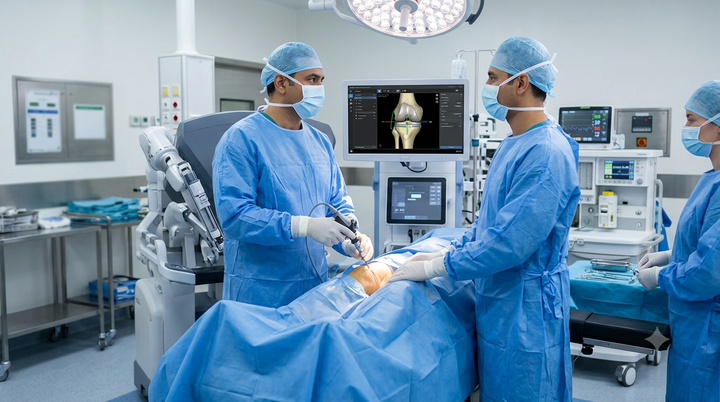
Chronic knee pain can make everyday activities increasingly challenging. Walking, climbing stairs, exercising, and completing household tasks may become difficult when the knee joint is affected by advanced arthritis or other significant damage. For selected patients, knee replacement surgery can be an option when non-surgical treatments no longer provide sufficient relief.
Advances in surgical technology have introduced robotic-assisted techniques that support planning and precision during certain knee replacement procedures. Understanding how these systems work can help patients have more informed discussions with their orthopedic surgeon.
What Is Robotic-Assisted Knee Surgery?
Robotic-assisted knee surgery uses specialized technology to support the surgeon during selected procedures. Depending on the system, it may help with preoperative planning, assessment of joint alignment, and guidance during the operation.
The surgeon remains in control of the procedure and makes decisions based on the patient's anatomy, medical condition, and treatment requirements. Robotic technology functions as an aid rather than an independent replacement for surgical expertise.
The particular equipment and surgical workflow vary between hospitals and systems. Patients should ask their surgeon to explain which technology is available and how it may be used in their case.
Who May Need Robotic Knee Replacement?
Robotic-assisted knee replacement may be considered for patients whose knee joint has sustained substantial damage, often due to osteoarthritis. Symptoms can include persistent pain, stiffness, reduced range of motion, and difficulty walking or standing.
Before recommending surgery, the orthopedic surgeon evaluates the patient's symptoms, physical examination, imaging results, medical history, and response to previous treatment. Depending on the findings, options may include physiotherapy, activity modification, medication, or joint replacement.
Robotic assistance is not necessary for every patient. The most suitable approach depends on the clinical condition, the surgeon's assessment, and the availability of appropriate technology.
Choosing a Specialist for Robotic Knee Surgery Ahmedabad
Patients researching Robotic Knee Surgery Ahmedabad should look beyond the technology alone. It is important to consider the surgeon's orthopedic qualifications, experience with joint replacement, understanding of different surgical approaches, and commitment to postoperative rehabilitation.
Dr. Rohit Damor specializes in robotic joint replacement, arthroscopy, and sports injury treatment. Patients can consult him to discuss knee symptoms, available treatment approaches, and whether robotic-assisted knee replacement may be suitable for their condition.
A consultation should include a clear explanation of the proposed procedure, possible risks, expected benefits, alternatives, and recovery requirements. Patients should feel comfortable asking questions before making a decision.
How Robotic Technology Supports Surgical Planning
Some robotic-assisted systems use imaging or other planning methods to create a representation of the patient's knee anatomy. This information can assist the surgeon in evaluating alignment, component positioning, and other factors relevant to the planned procedure.
During surgery, the technology may provide guidance based on the chosen system. These features can support the surgeon's assessment and help implement the surgical plan.
The specific capabilities differ between systems, and not every robotic platform uses the same imaging methods. Patients should ask which features apply to the technology being used rather than assuming all robotic procedures are identical.
Potential Benefits and Important Limitations
Robotic-assisted knee replacement may offer benefits related to surgical planning and the execution of the intended procedure. Depending on the patient and system, it may help the surgeon assess alignment and tailor aspects of the operation to individual anatomy.
However, outcomes depend on multiple factors, including the patient's health, the extent of joint damage, surgical expertise, implant selection, and rehabilitation. Robotic assistance does not eliminate surgical risks or guarantee faster recovery, less pain, or better long-term results for every patient.
Potential complications of knee replacement include infection, blood clots, stiffness, persistent discomfort, and problems involving the implant. Patients should discuss these risks and the expected outcomes with their surgeon.
Preparing for Surgery
Preparation typically involves a medical assessment, review of medications, imaging, and tests to evaluate fitness for surgery. Patients should inform their medical team about existing health conditions, allergies, previous operations, and any medicines they take.
The surgeon may also provide guidance on preparing the home environment and arranging assistance during early recovery. Understanding the procedure beforehand can help reduce uncertainty and make it easier to follow postoperative instructions.
Patients should clarify the expected hospital stay, pain-management plan, walking support, and physiotherapy schedule before surgery.
Recovery After Robotic-Assisted Knee Replacement
Recovery involves gradual movement, muscle strengthening, and rehabilitation. Supervised walking and exercises may begin early when medically appropriate. Physiotherapy helps patients regain knee movement, improve balance, and build strength for everyday activities.
The pace of recovery differs between individuals. Patients should follow their surgeon's instructions, attend follow-up appointments, and avoid strenuous activities until they receive clearance.
Robotic assistance does not remove the need for rehabilitation. Consistent participation in the recommended recovery programme remains an important part of the treatment journey.
Making an Informed Decision
Patients considering robotic-assisted knee replacement should evaluate the expected benefits alongside the risks, limitations, and alternatives. The best treatment plan is the one that addresses the individual's clinical needs rather than relying on technology alone.
For further information about orthopedic services, patients can visit Dr. Rohit Damor and arrange a consultation.
Conclusion
Robotic-assisted knee surgery is an important development in modern joint replacement, offering additional tools for planning and surgical guidance. Its suitability varies according to individual circumstances. A thorough assessment, clear communication with the surgeon, and structured rehabilitation can help patients make informed choices about managing chronic knee pain and restoring mobility.