Can Dental Space Maintenance Improve Your Child’s Oral Health?
Posted by Dynamic Sana
Filed in Health 1 view
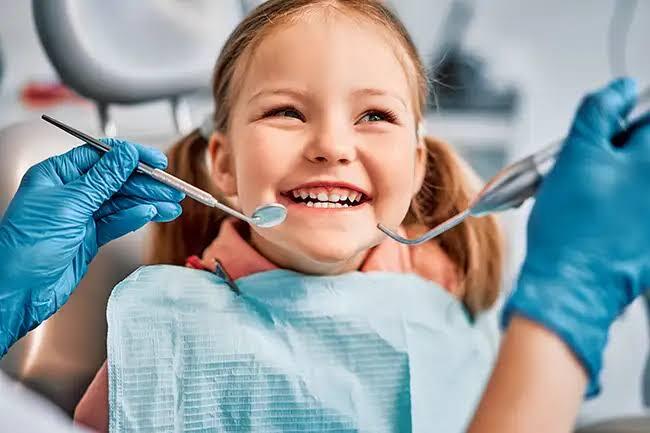
A healthy smile during childhood is about more than keeping baby teeth clean and cavity-free. Primary teeth play an essential role in guiding permanent teeth into their correct positions. When a child loses a baby tooth earlier than expected, nearby teeth may shift into the empty space, leaving insufficient room for the permanent tooth to emerge properly. This is where Dental Space Maintenance in dubai becomes important. Space maintenance helps preserve the natural gap left by a prematurely lost tooth, supporting proper dental development, reducing alignment problems, and protecting a child's future smile.
What Is Dental Space Maintenance?
Dental space maintenance is a preventive dental approach that uses a specially designed appliance to keep the space between teeth open after the premature loss of a primary tooth.
Baby teeth are not simply temporary teeth that can be ignored once permanent teeth begin developing. They help children chew comfortably, speak clearly, and maintain the space needed for incoming adult teeth.
Why Do Children Lose Baby Teeth Early?
Several factors can cause premature tooth loss, including:
-
Severe tooth decay that damages a baby tooth.
-
Dental infections that require extraction.
-
Accidental injuries or falls.
-
Certain developmental dental conditions.
-
Early removal of teeth due to extensive damage.
When a baby tooth disappears before its natural replacement time, neighboring teeth can gradually move into the vacant area. This movement may interfere with the normal eruption of permanent teeth.
How Does Space Maintenance Protect Permanent Teeth?
Space maintainers help preserve the room required for permanent teeth to develop and emerge naturally. Their preventive role can make a meaningful difference in a child's long-term oral health.
1. Prevents Neighboring Teeth From Shifting
One of the biggest concerns following early baby tooth loss is the movement of adjacent teeth. Nearby teeth may gradually tilt or drift into the empty space.
A space maintainer acts as a barrier against unwanted movement, helping maintain the original gap until the permanent tooth is ready to erupt.
2. Supports Proper Permanent Tooth Alignment
Permanent teeth need sufficient room to emerge in their intended positions. When neighboring teeth occupy that space, incoming teeth may become crowded, rotated, or misaligned.
By preserving the available space, dental appliances help reduce the likelihood of certain alignment problems. This can support healthier tooth positioning as a child's mouth develops.
3. Reduces the Risk of Dental Crowding
Crowding happens when there is insufficient room for teeth to fit comfortably within the dental arch.
Premature loss of primary teeth can contribute to this problem, particularly when important spaces are not preserved. Space maintainers help prevent avoidable space loss and may reduce the complexity of future orthodontic treatment.
What Are the Different Types of Space Maintainers?
Dentists select space maintainers according to the child's age, dental development, location of the missing tooth, and number of teeth affected.
Fixed Space Maintainers
Fixed appliances are attached to existing teeth and remain in place until the dentist determines that removal is appropriate.
Common examples include:
-
Band and loop: A metal band with a connecting loop that preserves space after the loss of a single tooth.
-
Crown and loop: Uses a dental crown and loop when additional support is needed.
-
Lingual holding arch: Helps maintain space when several lower primary teeth are missing.
-
Distal shoe: Sometimes used when a second primary molar is lost before the first permanent molar erupts.
Removable Space Maintainers
Removable appliances resemble small dental plates and can be taken out when necessary. They may be suitable for selected children who are mature enough to follow instructions and maintain proper appliance hygiene.
The dentist determines which option is most appropriate after examining the child's mouth.
When Should a Child Receive a Space Maintainer?
Timing plays an important role in protecting the developing permanent teeth. If a primary tooth is lost prematurely, parents should arrange a dental examination rather than waiting for visible shifting or crowding.
During an assessment, the dentist considers the child's age, the position of the missing tooth, the development of the permanent replacement, and the amount of available space.
Not every early tooth loss requires an appliance. In some situations, the permanent tooth may already be close to erupting, making space maintenance unnecessary.
How Can Parents Care for a Space Maintainer?
Proper maintenance helps keep the appliance comfortable, functional, and clean.
Follow Good Oral Hygiene Habits
Children should brush twice daily using an age-appropriate toothbrush and fluoride toothpaste. Parents should pay particular attention to cleaning around the appliance because food particles and plaque can accumulate near metal bands and connecting wires.
Avoid Sticky and Hard Foods
Chewing ice, hard candies, sticky sweets, and similar foods may damage or loosen the appliance. Encouraging children to choose softer, tooth-friendly snacks can help protect it.
Attend Regular Dental Checkups
Routine appointments allow the dentist to monitor the appliance, examine surrounding teeth, and check the development of permanent teeth. A space maintainer should be removed when the dentist confirms that it is no longer needed.
What Happens If Space Maintenance Is Ignored?
Without appropriate intervention, neighboring teeth may gradually move into the space left by a missing baby tooth. This can make it harder for permanent teeth to erupt correctly.
Possible consequences include:
-
Increased dental crowding.
-
Improper tooth positioning.
-
Difficulties with permanent tooth eruption.
-
Greater orthodontic treatment needs.
-
Changes in the natural alignment of the dental arch.
Although these problems do not occur in every child, early dental assessment helps identify potential risks before they become more complicated.
Conclusion
Space maintenance is an important preventive approach that supports healthy dental development during childhood. By preserving the gap left by a prematurely lost baby tooth, it helps protect the room needed for permanent teeth to emerge and reduces the risk of avoidable alignment problems. Parents who notice early tooth loss should consult a dental professional to determine whether an appliance is necessary. With timely evaluation, good oral hygiene, and regular dental checkups, children can enjoy healthier dental development and a stronger foundation for a confident smile.