What Are the Common Reasons for Dental Amalgam Removal?
Posted by Dynamic Sana
Filed in Health 2 views
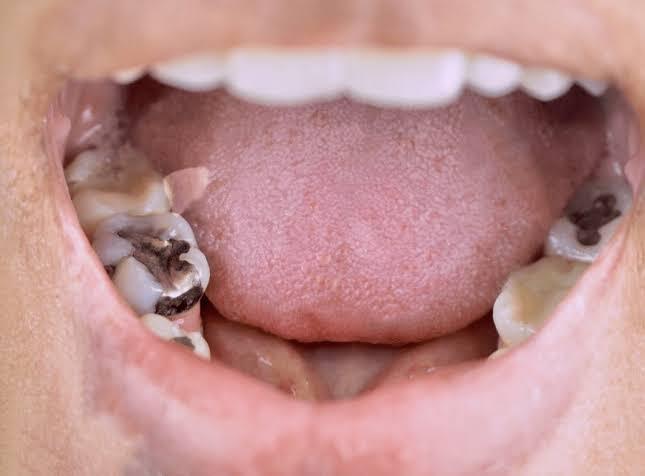
Dental fillings play an important role in protecting teeth from further decay, but some patients eventually consider replacing older silver-coloured fillings. Modern dentistry offers several restorative alternatives that can improve the appearance and function of teeth. Choosing Dental Amalgam Removal in dubai allows patients to discuss whether replacing existing amalgam fillings is appropriate for their oral health, personal preferences, and dental needs. When performed by a qualified dental professional using suitable safety precautions, the procedure can help restore damaged fillings, support oral hygiene, and provide an opportunity to improve the overall appearance of a smile.
Understanding Dental Amalgam Fillings
Dental amalgam is a traditional filling material made from a mixture of metals, including silver, tin, copper, and mercury. It has been used for decades because of its durability, strength, and ability to withstand chewing pressure.
Although amalgam fillings can remain functional for many years, they may eventually become worn, cracked, or damaged. Some patients also prefer tooth-coloured alternatives because they blend more naturally with their surrounding teeth.
Why Do Patients Consider Amalgam Removal?
There are several reasons why someone might consider replacing an existing amalgam filling, including:
-
Visible cracks or deterioration around the filling.
-
Recurrent tooth decay beneath or around the restoration.
-
Cosmetic concerns about silver-coloured fillings.
-
Changes in the shape or fit of an existing restoration.
-
Personal preference for modern restorative materials.
It is important to understand that healthy, intact amalgam fillings do not generally need to be removed simply because they contain mercury. Removal should be based on an individual dental assessment.
What Are the Benefits of Safe Dental Amalgam Removal?
When there is a genuine dental reason to replace an amalgam filling, the procedure can offer several benefits.
1. Improved Appearance of the Smile
One of the most noticeable benefits is improved dental aesthetics. Traditional amalgam fillings have a dark metallic appearance that can be visible when laughing, speaking, or opening the mouth.
Replacing them with suitable tooth-coloured materials, such as composite resin or ceramic restorations, can create a more natural-looking smile. These materials can be selected to match the surrounding teeth, helping patients feel more confident about their appearance.
2. Replacement of Damaged or Worn Fillings
Old fillings may gradually weaken due to everyday chewing pressure, temperature changes, and normal dental wear. Cracks, gaps, or broken edges can develop over time.
Removing a defective restoration allows the dentist to examine the affected tooth and address any underlying problems. A suitable replacement filling can restore the tooth's shape and help protect it from further damage.
3. Opportunity to Identify Hidden Dental Problems
Sometimes, decay develops around or underneath an existing filling without producing obvious symptoms. During the removal and replacement process, a dentist can assess the exposed tooth structure and identify areas that require treatment.
Early detection can help prevent minor dental problems from progressing into more complicated conditions.
4. Support for Better Dental Restoration
Modern restorative materials offer different advantages depending on the tooth's location and condition. Composite fillings provide a natural appearance, while ceramic restorations may be suitable for certain larger restorations.
Replacing an old filling gives the dentist an opportunity to select a material that meets the patient's functional and aesthetic requirements.
5. Greater Confidence in Dental Appearance
For individuals who feel uncomfortable with visible metal fillings, replacing them can make a positive difference in their confidence.
A natural-looking restoration can help patients feel more comfortable smiling, speaking, and interacting socially.
How Is Safe Dental Amalgam Removal Performed?
Safety is an important consideration whenever an amalgam restoration needs replacement. The procedure should be performed by a trained dental professional who understands appropriate mercury-handling precautions.
Initial Dental Examination
The dentist first examines the filling and surrounding tooth structure. Dental X-rays may be recommended to check for hidden decay, cracks, or other concerns.
The dentist then explains whether removal is necessary and discusses suitable replacement materials.
Using Appropriate Safety Precautions
When removing amalgam, dentists may use specific precautions to minimise exposure to mercury vapour and particles. These can include:
-
Using high-volume suction near the treatment area.
-
Applying adequate water cooling during removal.
-
Using rubber dam isolation when appropriate.
-
Removing the filling carefully in sections.
-
Maintaining suitable ventilation and protective equipment.
These precautions help manage exposure during the procedure. They should not be interpreted as proof that removing an intact filling provides a general health benefit.
Replacing the Filling
After removing the defective restoration, the dentist cleans and evaluates the tooth. Depending on the remaining tooth structure, a composite filling, ceramic restoration, or another appropriate treatment may be recommended.
The new restoration is shaped and adjusted to support comfortable biting and normal chewing.
Are There Any Risks to Consider?
Like other dental procedures, amalgam removal has potential risks. These include temporary tooth sensitivity, irritation, damage to remaining tooth structure, and exposure to mercury vapour or particles during the process.
Removing an otherwise healthy filling can also result in unnecessary loss of natural tooth material.
For this reason, patients should discuss the benefits and risks with their dentist before proceeding. Individuals with concerns about mercury exposure should seek professional guidance rather than assuming that replacing existing fillings will improve general health.
How to Maintain Your Teeth After Amalgam Removal
Proper aftercare helps protect the new restoration and maintain long-term oral health.
Consider following these habits:
-
Brush twice daily using fluoride toothpaste.
-
Floss regularly to remove food particles between teeth.
-
Avoid chewing excessively hard objects.
-
Follow your dentist's instructions after treatment.
-
Attend routine dental examinations.
-
Address tooth sensitivity or discomfort if it continues.
Good oral hygiene reduces the risk of future decay and helps preserve both natural teeth and dental restorations.
Conclusion
Safe dental amalgam removal can provide meaningful benefits when an existing filling is damaged, worn, or affected by recurrent decay. It offers an opportunity to restore tooth function, improve smile aesthetics, and address underlying dental concerns. However, healthy amalgam fillings do not usually require replacement without a clinical reason. A professional dental examination is the best way to determine whether removal is appropriate and which restorative material will provide the most suitable results. With careful planning, proper safety precautions, and consistent oral hygiene, patients can maintain healthier teeth and enjoy a confident, natural-looking smile.