How Can Mouthguards Protect Teeth From Unexpected Accidents?
Posted by Dynamic Sana
Filed in Health 3 views
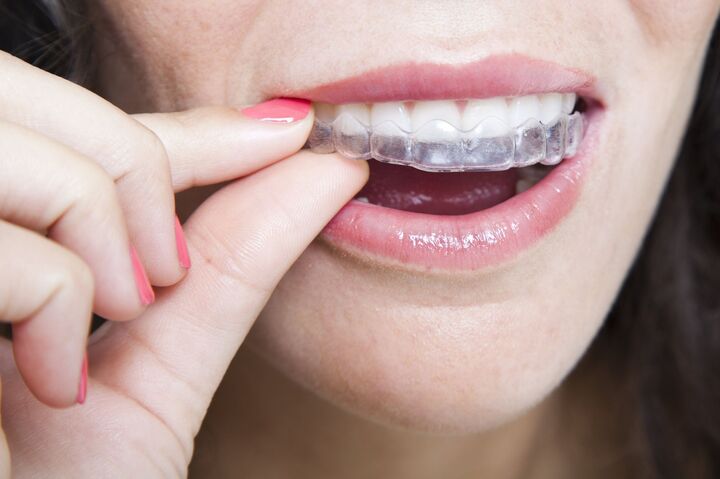
Why Are Mouthguards Important During Sports?
During physical activities, athletes may experience unexpected falls, collisions with other players, or direct impacts from sports equipment. Even a minor accident can cause serious damage to the teeth and surrounding oral tissues.
Mouthguards create a protective barrier between the upper and lower teeth, lips, cheeks, and other soft tissues. They help absorb and distribute the force of an impact, reducing the likelihood of dental injuries.
Protecting Teeth from Chipping and Fractures
Front teeth are particularly vulnerable during contact sports. A sudden blow to the mouth can cause cracks, chips, or fractures that may require extensive dental treatment.
A mouthguard provides cushioning that helps reduce the direct force transferred to the teeth. Although it cannot prevent every injury, it offers an important layer of protection during high-impact activities.
Reducing the Risk of Tooth Loss
Severe impacts can loosen teeth or completely knock them out. Losing a permanent tooth can affect chewing, speech, and appearance.
Wearing a properly fitted mouthguard helps minimize the risk of traumatic dental injuries by absorbing some of the impact. This protection is especially valuable for athletes participating in sports involving frequent physical contact.
How Do Mouthguards Protect Soft Oral Tissues?
Dental injuries do not only affect teeth. The lips, tongue, cheeks, and gums can also become injured during sporting accidents.
When an athlete receives a sudden impact, the teeth may cut or damage the surrounding soft tissues. A mouthguard creates a cushioning layer that reduces direct contact between the teeth and these delicate areas.
Preventing Cuts to the Lips and Cheeks
During collisions, the lips and inner cheeks can become trapped against sharp tooth edges. This may result in painful cuts, swelling, and bleeding.
A mouthguard helps cover the teeth and creates a smoother protective surface, reducing the chances of these injuries.
Supporting Jaw Protection
Some mouthguards may help distribute impact forces and provide cushioning around the teeth and jaw. However, they should not be considered a guarantee against jaw fractures or concussions.
Their primary purpose is to protect the teeth and surrounding oral structures during physical activity.
Which Sports Require Mouthguard Protection?
Many people associate mouthguards with boxing or rugby, but dental injuries can happen in several sporting activities. Even sports that involve limited physical contact may expose athletes to accidental impacts.
Common activities where mouthguards are recommended include:
-
Football: Protects against accidental collisions between players.
-
Basketball: Reduces the risk of dental injuries during falls and physical contact.
-
Cricket: Helps protect teeth from accidental ball impacts.
-
Boxing: Provides essential protection during direct physical contact.
-
Hockey: Helps reduce injuries caused by sticks, balls, or collisions.
-
Martial Arts: Offers protection during training and competitive matches.
Athletes should consider wearing mouthguards during both practice sessions and competitions because accidents can happen at any time.
What Are the Different Types of Mouthguards?
Not all mouthguards provide the same level of comfort, fit, or protection. Understanding the available options can help athletes choose suitable equipment for their needs.
Stock Mouthguards
Stock mouthguards are pre-formed and available in standard sizes. They are generally affordable and easy to purchase. However, they may not fit every mouth comfortably and can sometimes interfere with speaking or breathing.
Boil-and-Bite Mouthguards
These mouthguards are softened in hot water and shaped around the teeth by biting into the material. They usually offer a more personalized fit than standard stock options.
Custom-Fitted Mouthguards
Custom-fitted mouthguards are created using dental impressions or digital scans. They are designed to match an individual's teeth and bite.
Their personalized fit can provide improved comfort, stability, and protection, making them a popular choice for regular athletes and individuals involved in competitive sports.
How Can You Maintain Your Mouthguard?
Proper maintenance is important for keeping a mouthguard clean, comfortable, and effective. Since it stays inside the mouth, it can collect saliva, bacteria, and food particles.
Follow these simple care practices:
-
Rinse your mouthguard with cool water before and after use.
-
Clean it regularly using a soft toothbrush and mild soap.
-
Allow it to dry completely before storing it.
-
Keep it inside a ventilated protective case.
-
Avoid exposing it to excessive heat.
-
Check regularly for cracks, tears, or changes in fit.
-
Replace it when it becomes damaged or no longer fits properly.
Regular dental checkups can also help determine whether your mouthguard still provides an appropriate fit.
When Should You Replace Your Mouthguard?
A mouthguard should not be used indefinitely. Over time, regular chewing, repeated impacts, and everyday wear can affect its protective qualities.
Children and teenagers may need replacements more frequently because their teeth and jaws are still developing. Adults should also replace mouthguards when they notice damage, discomfort, looseness, or changes in their dental structure.
If your mouthguard feels uncomfortable or does not stay securely in place, consult a dental professional for advice.
Conclusion
Protecting your teeth during sports is just as important as protecting the rest of your body. Mouthguards help reduce the risk of chipped teeth, fractures, tooth loss, and injuries to the lips and cheeks. Selecting the right type, maintaining proper hygiene, and replacing damaged equipment can improve both comfort and protection. Whether you participate in recreational activities or competitive sports, making mouthguard use part of your regular routine is a simple step toward maintaining a healthy, confident smile.