What Are the Benefits of Routine Dental Check Ups and Cleaning?
Posted by Dynamic Sana
Filed in Card Games 13 views
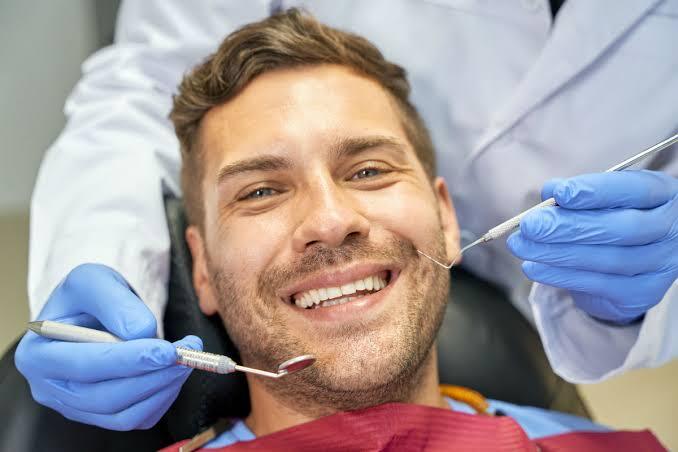
What Are Routine Dental Check-Ups and Cleaning?
Routine dental check-ups and professional cleaning are preventive dental services designed to maintain healthy teeth and gums. Although brushing and flossing at home are essential, they cannot always remove every deposit of plaque, particularly from difficult-to-reach areas.
During a check-up, a dentist examines your teeth, gums, and other parts of your mouth for signs of potential problems. Professional cleaning complements this examination by removing hardened deposits that ordinary brushing cannot eliminate.
What Happens During a Dental Check-Up?
A routine appointment may include:
-
Examining teeth for cavities, cracks, and worn enamel.
-
Checking gums for swelling, bleeding, or signs of gum disease.
-
Evaluating existing fillings, crowns, and other dental restorations.
-
Assessing plaque buildup and oral hygiene habits.
-
Recommending X-rays when clinically necessary.
-
Providing advice on brushing, flossing, and preventive care.
The exact procedures depend on your dental condition, medical history, and individual needs.
What Does Professional Teeth Cleaning Involve?
Professional cleaning typically involves removing plaque and tartar from tooth surfaces and around the gumline. The dental professional may polish your teeth to remove certain surface stains and leave them feeling smoother. Depending on your oral health, additional preventive treatments may also be recommended.
Why Are Regular Dental Visits So Important?
Many dental problems develop gradually without causing noticeable discomfort in their early stages. Waiting until a tooth hurts may mean that the condition has already progressed. Routine appointments help detect these concerns earlier and allow you to discuss appropriate treatment options.
1. Early Detection of Cavities
Tooth decay can begin with small changes in the enamel that are difficult to notice at home. During a dental examination, a dentist can identify suspicious areas and determine whether further assessment or treatment is necessary.
Early detection may help prevent decay from progressing into deeper layers of the tooth, where more extensive treatment could be required.
2. Prevention of Gum Disease
Healthy gums provide essential support for your teeth. However, plaque accumulating around the gumline can cause inflammation, redness, and bleeding. If left untreated, gum disease may damage the tissues and bone supporting your teeth.
Regular examinations and professional cleaning help control plaque and tartar buildup. Dentists can also identify warning signs and recommend suitable care before gum problems become more advanced.
3. Fresher Breath and Cleaner Teeth
Persistent bad breath may result from bacteria, plaque, gum disease, or other oral health concerns. Professional cleaning removes accumulated deposits that can contribute to unpleasant odors.
Although cleaning cannot resolve every cause of bad breath, it can improve oral cleanliness and help your dentist identify underlying problems that require attention.
How Professional Cleaning Supports Long-Term Oral Health
Preventive dentistry is not simply about keeping teeth looking attractive. It helps maintain the structures that allow you to speak, chew, and smile comfortably.
Removing Plaque and Tartar
Plaque is a sticky film of bacteria that forms on teeth throughout the day. When it is not removed effectively, it can harden into tartar. Unlike soft plaque, tartar generally requires professional removal.
Regular cleaning helps reduce these deposits and makes it easier to maintain good oral hygiene between appointments.
Protecting Existing Dental Work
Fillings, crowns, bridges, and other restorations also require proper maintenance. Dental check-ups allow professionals to examine these restorations for wear, damage, or changes that may affect their function.
Identifying potential issues early can help you understand when monitoring, repair, or replacement may be appropriate.
How Often Should You Schedule a Dental Check-Up?
The ideal frequency depends on your oral health, history of dental problems, and individual risk factors. Many people benefit from dental check-ups every six months, but this schedule is not suitable for everyone.
People with a history of gum disease, frequent cavities, dry mouth, or other oral health concerns may need more frequent appointments.
Your dentist can recommend a schedule based on your needs rather than relying on a fixed interval.
Simple Ways to Maintain Your Smile Between Visits
Professional dental care works best when combined with consistent habits at home.
-
Brush twice daily: Use fluoride toothpaste and a soft-bristled toothbrush.
-
Floss every day: Clean between teeth to remove plaque that brushing may miss.
-
Limit sugary snacks: Frequent sugar exposure increases the risk of tooth decay.
-
Drink water regularly: Water helps rinse away food particles and supports saliva production.
-
Avoid tobacco products: Tobacco increases the risk of gum disease and other oral health problems.
-
Pay attention to warning signs: Bleeding gums, persistent bad breath, tooth sensitivity, or pain should not be ignored.
These small steps can make a meaningful difference in your oral health over time.
Conclusion
Routine dental check-ups and professional cleaning are essential parts of preventive oral care. They help identify cavities, monitor gum health, remove stubborn tartar, and maintain a cleaner, healthier smile. By attending regular appointments and following good oral hygiene practices at home, you can reduce the risk of many common dental problems and address concerns before they become more complicated.
The best approach is to treat dental visits as an investment in your long-term well-being rather than waiting for discomfort to appear. Consistent preventive care can help you preserve your natural teeth, maintain fresh breath, and smile with greater confidence for years to come.