Selling an Inherited House That's Also Facing Foreclosure: A Step by Step Guide
Posted by Quality Properties
Filed in Personal 64 views
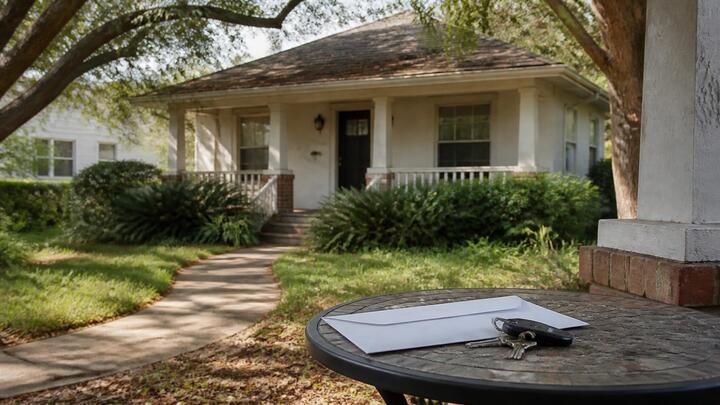
Inheriting a house can bring unexpected responsibilities, especially when the property comes with an outstanding mortgage and foreclosure is already a concern. Instead of having time to decide what to do with the property, heirs may suddenly need to understand loan payments, probate requirements, property taxes, and foreclosure deadlines. The situation can feel overwhelming, but taking the right steps early can create practical solutions.
If you need to sell an inherited house facing foreclosure, the most important thing is to act quickly. Waiting until the foreclosure process is nearly complete can reduce your options and make the situation more difficult. Fortunately, there are several steps an heir can take to understand the property, determine its value, communicate with the lender, and pursue a timely sale.
Understand the Property and Your Legal Responsibility
Before deciding how to sell an inherited house, first determine who legally owns the property. If the estate is still going through probate, you may not yet have the authority to sell it independently. The executor, administrator, or another legally authorized representative may need to handle the transaction.
You should also gather important documents related to the property. These may include the mortgage statement, property tax records, homeowners insurance information, the will, death certificate, and probate documents. Knowing the outstanding loan balance is particularly important because it helps you understand how much money may be required to satisfy the mortgage at closing.
For example, imagine that you inherit a Pensacola property worth approximately $250,000, but the mortgage balance is $150,000 and several payments are already overdue. Understanding these numbers early allows you to evaluate whether selling the home could resolve the debt before foreclosure advances.
Find Out How Far the Foreclosure Process Has Progressed
The phrase inherited house foreclosure can sound final, but foreclosure is generally a process rather than an instant event. The exact procedures and deadlines can vary depending on the location, mortgage terms, and circumstances surrounding the estate.
Contact the mortgage servicer as soon as possible. Ask for the current loan balance, amount needed to bring the account current, foreclosure status, and any upcoming deadlines. If you have received legal notices, review them carefully and consider speaking with a qualified real estate attorney.
This step matters because your timeline determines which solutions remain available. A homeowner or heir who acts early may have considerably more flexibility than someone who waits until a foreclosure sale is imminent.
Determine Whether Selling the Property Is the Best Solution
Once you understand the financial and legal situation, calculate the property's potential selling price and compare it with the debts attached to it. You should consider the mortgage balance, property taxes, liens, legal expenses, repairs, and potential selling costs.
If the property has substantial equity, selling it may allow the mortgage to be paid at closing while leaving remaining proceeds for the estate or beneficiaries.
However, inherited homes are not always move in ready. They may have years of deferred maintenance, outdated interiors, damaged roofs, or belongings left behind by the previous owner. Spending thousands of dollars on renovations may not be practical when foreclosure deadlines are approaching.
Consider a Faster Sale When Time Is Limited
Traditional home sales can take weeks or months because the property may need repairs, cleaning, staging, photography, showings, negotiations, inspections, and financing approval. Those steps can become challenging when you are trying to sell inherited property fast.
A cash sale can sometimes provide a more direct alternative. Local cash buyers may purchase properties in their existing condition, which can eliminate the need for major repairs or extensive preparation.
For homeowners and heirs in Northwest Florida, Quality Properties Cash Buyer offers a potential option for selling a property without going through the traditional listing process. Before accepting any offer, however, compare the proposed price with the home's market value and understand all terms of the transaction.
Communicate With Everyone Involved
Inherited properties can become complicated when multiple heirs are involved. One person may want to sell while another wants to keep the home. There may also be questions about personal belongings, taxes, mortgage payments, or the distribution of sale proceeds.
Clear communication can prevent disagreements from delaying the transaction. If several beneficiaries have an ownership interest, determine who has authority to approve the sale and make sure the necessary documents are properly completed.
It is also wise to keep communication open with the lender. Ignoring calls or foreclosure notices will not make the debt disappear. In many cases, providing documentation about the inheritance and explaining the intention to sell can help everyone understand the situation.
Prepare for the Closing
Before closing, the title company or closing attorney will typically need to confirm ownership, identify outstanding liens, verify payoff information, and ensure that the seller has the authority to transfer the property.
If probate is involved, additional documentation may be required. This is one reason it is important to start the process as early as possible. A property sale cannot always happen immediately simply because an heir has decided to sell.
Suppose an inherited home is already scheduled for a foreclosure sale. Finding a buyer quickly may not be enough. The estate may still need to complete legal steps, obtain title clearance, and coordinate with the mortgage servicer. Professional guidance can help identify problems before they create last minute complications.
What If the House Is Worth Less Than the Debt?
Sometimes an inherited property does not have enough equity to pay off the mortgage and selling expenses. This can happen when property values have declined, significant liens exist, or the mortgage balance is high.
In that situation, do not assume that selling is impossible. Speak with the mortgage servicer and a qualified professional about the available alternatives. Depending on the circumstances, a short sale, loan resolution, probate strategy, or another solution may be possible.
The important point is to understand the numbers before making a decision. Selling without knowing the total debt could leave the estate facing an unexpected financial problem.
Conclusion
Trying to sell an inherited house facing foreclosure can be stressful, but taking action early can make the situation much more manageable. Start by confirming ownership, understanding the mortgage balance, determining the foreclosure timeline, and calculating the property's potential value. From there, you can compare a traditional sale with faster alternatives and determine which approach best fits the estate's circumstances.
If repairs, probate, or a tight deadline make a conventional sale difficult, explore all available foreclosure options for inherited property before making a decision. A timely sale may help resolve the mortgage, protect available equity, and give beneficiaries a clearer path forward.
If you have inherited a property in Northwest Florida and need to understand your selling options, consider getting a no obligation cash offer and discussing the property with a local buyer. Taking the first step early can help you avoid unnecessary delays and make a difficult situation easier to manage.
FAQs About Selling an Inherited House Facing Foreclosure
Can I sell an inherited house before foreclosure is completed?
In many situations, an inherited property can be sold before a foreclosure sale occurs, provided the person selling has the legal authority to do so. The exact requirements depend on the estate, title, mortgage, and local foreclosure laws.
How can I sell an inherited house before foreclosure?
Start by determining your legal authority to sell, obtaining the current mortgage payoff information, checking the foreclosure deadline, and determining the property's market value. Then choose a selling method that fits your available timeline.
What happens to the mortgage when I inherit a house?
Inheriting a house does not automatically eliminate the mortgage. The loan generally remains associated with the property, and the estate or successor borrower may need to address the outstanding debt according to applicable law and the loan terms.
Can I sell an inherited property that needs major repairs?
Yes, depending on the property's legal and financial circumstances. Some buyers purchase inherited homes in as is condition, which can eliminate the need for costly renovations before selling.
Can multiple heirs sell an inherited property together?
Multiple heirs may be able to sell the property, but the required approvals and documentation depend on how ownership is established and whether probate is involved. An attorney or closing professional can explain the necessary steps.
What if an inherited property is already in foreclosure?
Act immediately. Contact the mortgage servicer, determine the exact foreclosure status and deadline, and obtain professional legal or real estate guidance. Depending on the circumstances, selling the property may still be an available solution.
Is selling an inherited house for cash faster than a traditional sale?
A cash transaction can sometimes move faster because it may avoid certain financing and preparation steps associated with a conventional buyer. However, probate, title issues, liens, and lender requirements can still affect the timeline.
Should I repair an inherited house before selling it?
Not necessarily. If foreclosure creates a tight deadline, spending significant money on renovations may not make financial sense. Compare the expected increase in sale value with repair costs, carrying expenses, and the time required before deciding.