Common Ball Valve Problems and How to Prevent Leakage
Posted by Rubaiya Zueaid
Filed in Other 10 views
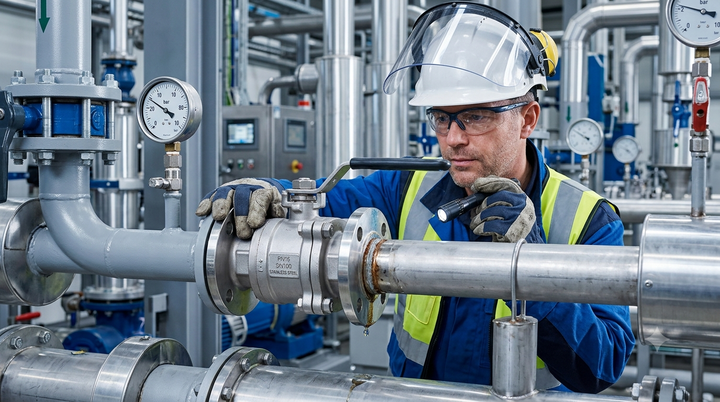
Ball valves are widely used in industrial piping, plumbing, water distribution, HVAC systems, and oil and gas applications. They are popular because of their simple design, reliable shut-off performance, and ease of operation. However, like other mechanical components, ball valves can develop problems over time, especially when they are installed incorrectly, operated under unsuitable conditions, or not maintained properly.
Ball valve leakage can lead to water wastage, reduced system efficiency, equipment damage, and unexpected maintenance expenses. Understanding common ball valve problems and knowing how to prevent them can help businesses maintain safe and reliable operations.
Whether managing a commercial building or an industrial facility, choosing quality products from a reliable ball valve supplier and following proper maintenance practices can make a significant difference.
1. Worn or Damaged Valve Seats
Valve seats create a tight seal between the ball and the valve body. These components help prevent fluid from passing through when the valve is closed.
Over time, valve seats may wear out because of frequent operation, high temperatures, unsuitable pressure conditions, or contact with abrasive particles. When the seats become damaged, the valve may allow fluid to pass through even when it is fully closed.
How to prevent it:
-
Select seat materials suitable for the fluid and operating temperature.
-
Avoid operating the valve outside its specified pressure limits.
-
Inspect the valve if leakage continues after closing it.
-
Replace worn seats according to the manufacturer's instructions.
Regular inspection and correct product selection can help maintain effective sealing performance.
2. Damaged or Worn Seals and O-Rings
Seals and O-rings help prevent leakage around the valve stem and other connection points. Exposure to chemicals, excessive heat, pressure fluctuations, and natural material ageing can cause these components to crack, harden, or lose flexibility.
When this happens, fluid may leak from the outside of the valve, particularly around the handle or stem area.
How to prevent it:
Choose seals compatible with the fluid, pressure, and temperature conditions. During maintenance, check for visible damage, deterioration, or signs of leakage. Replace defective seals with manufacturer-approved components.
Working with an experienced ball valve supplier can help businesses identify suitable valve materials and replacement parts for their applications.
3. Incorrect Valve Installation
Improper installation is another common reason for ball valve leakage. Incorrect alignment, unsuitable fittings, excessive tightening, or improper sealing methods can damage the valve or its connections.
In threaded connections, using the wrong sealing material or applying it incorrectly may result in leaks. In flanged connections, uneven bolt tightening can prevent the gasket from sealing properly.
How to prevent it:
-
Follow the manufacturer's installation instructions.
-
Ensure the valve matches the pipeline connection type and size.
-
Align pipes correctly before securing the valve.
-
Use suitable gaskets and thread sealants where required.
-
Tighten connections according to the specified procedure.
Correct installation helps reduce leakage risks and prevents unnecessary stress on the valve body.
4. Dirt and Debris Inside the Valve
Industrial water systems and pipelines may contain dirt, rust, scale, or other particles. These contaminants can accumulate inside a ball valve and interfere with its operation.
Debris trapped between the ball and the valve seats may prevent the valve from closing completely. This can cause internal leakage even when the handle appears to be in the closed position.
How to prevent it:
Keep the pipeline clean and consider installing a suitable strainer where the application requires one. Flush the system before commissioning when appropriate, and inspect the valve if it becomes difficult to operate or fails to shut off properly.
Maintenance should follow the manufacturer's guidance and account for the type of fluid passing through the system.
5. Corrosion and Material Damage
Ball valves used in industrial environments may be exposed to moisture, chemicals, high temperatures, or corrosive fluids. If the valve material is unsuitable for these conditions, corrosion can weaken the body and damage internal components.
Corrosion may eventually cause external leakage, reduced valve performance, or premature failure.
How to prevent it:
Select valve body materials and internal components based on the fluid's chemical properties and operating conditions. Brass, stainless steel, carbon steel, and PVC valves have different characteristics and are suitable for different applications.
Before purchasing, confirm the material compatibility, pressure rating, and temperature limits with the manufacturer or supplier.
6. Excessive Pressure and Water Hammer
Sudden pressure changes can place additional stress on valves and connected pipelines. Water hammer occurs when flowing water changes speed rapidly, such as when a valve closes suddenly.
Repeated pressure surges may damage seats, seals, connections, or other system components, increasing the possibility of leakage.
How to prevent it:
Operate valves according to the manufacturer's recommendations and avoid unnecessarily rapid closure where pressure surges are a concern. Proper system design, suitable pressure control devices, and appropriate surge protection can help reduce the impact of water hammer.
Always ensure the selected valve is rated for the actual operating conditions.
7. Poor Maintenance and Incorrect Valve Operation
A ball valve that is rarely inspected may develop problems that remain unnoticed until leakage occurs. In addition, using the valve outside its intended purpose can cause premature wear.
For example, a standard shut-off ball valve should not automatically be treated as a flow-regulating valve. Prolonged throttling can damage seats and other internal components unless the valve is specifically designed for that service.
How to prevent it:
Establish a regular inspection schedule based on the application and operating conditions. Check for external leakage, unusual resistance when operating the handle, corrosion, and signs of damage. Follow the manufacturer's recommendations for cleaning, servicing, and replacement.
Choosing a Reliable Ball Valve Supplier
Preventing leakage starts with selecting the right product for the application. A dependable ball valve supplier can help businesses compare valve types, materials, pressure ratings, and connection options before making a purchase.
RZBM supplies valve solutions for industrial and commercial requirements. Before ordering, customers should confirm the operating pressure, fluid type, temperature range, valve size, and installation requirements to identify a suitable product.
Conclusion
Ball valve leakage can result from damaged seats, worn seals, incorrect installation, contamination, corrosion, pressure surges, or poor maintenance. Identifying these issues early can help prevent equipment damage, reduce downtime, and maintain reliable pipeline operation.
By selecting suitable valves, following installation guidelines, and carrying out regular inspections, businesses can improve valve performance and extend service life. Working with a reliable ball valve supplier also helps ensure the selected product meets the technical requirements of the application.