Essential Safety Tips for Using Chain Blocks in Industrial Workplaces
Posted by Roma Enterprises
Filed in Other 39 views
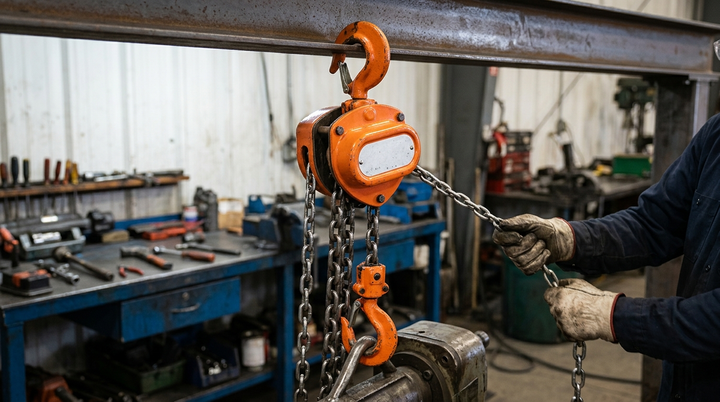
Chain blocks are some of the most dependable lifting tools used on building sites, warehouses, factories, shipyards, and manufacturing facilities. They make heavy lifting easier, increase production, and reduce manual labor. However, inappropriate use of chain blocks can result in major accidents, equipment damage, and expensive downtime.
Lifting machinery, construction materials, or industrial components requires proper safety precautions. Working with reputable chain block suppliers guarantees that you receive high-quality equipment that meets safety regulations and provides dependable performance.
Here are the most crucial safety precautions every workplace should take while employing chain blocks.
Choose the Right Chain Block for the Job
One of the most common safety blunders is utilizing a chain block with the incorrect load capacity. Each chain block is intended to raise a certain maximum weight.
Before starting any lifting operations:
-
Determine the weight of the load.
-
Verify the chain block's rated capacity.
-
Never exceed the recommended lifting capacity.
-
Consider the lifting height needed.
Using an undersized chain block might result in equipment failure and unsafe working conditions.
Inspect the Chain Block Before Each Use
A simple assessment prior to each lifting operation will help avert numerous industrial accidents.
Look for signals like these:
-
Damaged or worn chains.
-
Bent hooks.
-
Cracked housing.
-
Loose fasteners.
-
Rust or corrosion?
-
Faulty brake mechanisms.
If you observe any damage, take the chain block out of use immediately until it can be fixed or replaced.
Never Lift More Than the Rated Capacity
Overloading is a major cause of lifting equipment failure.
Even if the chain block looks to be capable of carrying a higher load, exceeding its rated capacity causes undue stress on the chains, gears, and hooks.
Always adhere to the manufacturer's standards and avoid taking excessive risks.
Inspect Hooks Carefully
Hooks are an essential component of any chain block.
Before Lifting:
-
Check for cracks.
-
Ensure that the safety latch works properly.
-
Search for bent or twisted hooks.
-
If the hook is supposed to rotate freely, confirm that it does so.
Damaged hooks should never be utilized since they may fail unexpectedly while lifting.
Keep the Load Balanced
An imbalanced load puts extra effort on both the equipment and the operator.
Make sure:
-
The burden is centered immediately beneath the chain block.
-
Lifting slings are correctly fastened.
-
The burden remains stable during the lift.
-
There are no unexpected shifts during operation.
Balanced lifting significantly lowers the risk of swinging or falling weights.
Never Stand Beneath a Suspended Load
This is one of the most crucial safety guidelines in any industrial setting.
Employees should never:
-
Walk beneath the dangling loads.
-
Stand near moving loads.
-
Try to guide loads by hand while they are hanging.
Instead, use tag lines or guide ropes as needed to properly regulate load movement.
Run the Chain Block Smoothly
When operating the chain block, avoid making rapid pulling or jerking motions.
Lift and lower loads slowly.
-
Maintain stability.
-
Reduces equipment stress.
-
Improve operator control.
-
Prevent swinging.
Smooth operation also increases the lifespan of the chain block.
Ensure Proper Training for Operators
Even high-quality lifting equipment might be dangerous if the workers are not properly trained.
Employees need to understand:
-
Safe Lifting Procedures.
-
Equipment limitations.
-
Methods for daily inspection:
-
Emergency Procedures.
-
Proper load attachment techniques.
Regular safety training reduces accidents and boosts worker confidence.
Maintain a Clean Working Area
A cluttered desk raises the risk of slips, trips, and lifting accidents.
Maintain the lifting area:
-
Clean, well-lit.
-
Free of barriers.
-
Organized.
A safe environment enables operators to focus solely on the lifting process.
Perform Regular Maintenance
Routine maintenance ensures that chain blocks operate securely and efficiently.
Maintenance should include:
-
Lubricating Moving Parts.
-
Cleaning Chains.
-
Checking the gears and bearings.
-
Testing brakes.
-
Replace worn components.
-
Recording maintenance history.
Preventive maintenance identifies issues before they become serious safety threats.
Store Chain Blocks Properly
Proper storage prevents chain blocks from damage and increases their useful life.
Store the equipment:
-
In dry indoor areas.
-
Away from dampness.
-
Off the earth.
-
Protected against chemicals and caustic materials.
Before storing the chain block, properly clean it to eliminate any dirt, grease, or debris.
Wear the Appropriate Personal Protective Equipment (PPE)
Operators should always wear appropriate PPE when lifting objects.
The recommended safety equipment includes:
-
Safety helmets.
-
Protective gloves.
-
Steel-toed safety boots.
-
Safety glasses.
-
Wear high-visibility apparel where necessary.
Proper PPE offers an additional layer of protection against industrial risks.
Chain Block Suppliers You Can Trust
The quality of lifting equipment has a significant impact on worker safety.
Reliable chain block suppliers offer items that meet industry requirements and go through rigorous quality testing. They may also assist organizations in selecting the appropriate chain block depending on load capacity, lifting height, and application specifications.
In addition to providing reliable equipment, experienced suppliers frequently provide technical assistance, maintenance advice, and after-sales support. This ensures that organizations receive long-term lifting solutions that enhance safety and operational efficiency.
Final Thoughts
Safe lifting methods are critical in any industrial setting. Every step, from selecting the right chain block to completing regular inspections and operator training, helps to create a safer working environment.
Investing in quality equipment from reputable chain block suppliers and adhering to basic safety protocols can drastically prevent workplace accidents, protect important assets, and increase overall productivity. Businesses that prioritize safety on a regular basis can assure dependable lifting operations while also providing a safe atmosphere for all employees.