5 Common V Belt Problems and How to Prevent Them
Posted by Shibam S P Traders
Filed in Other 16 views
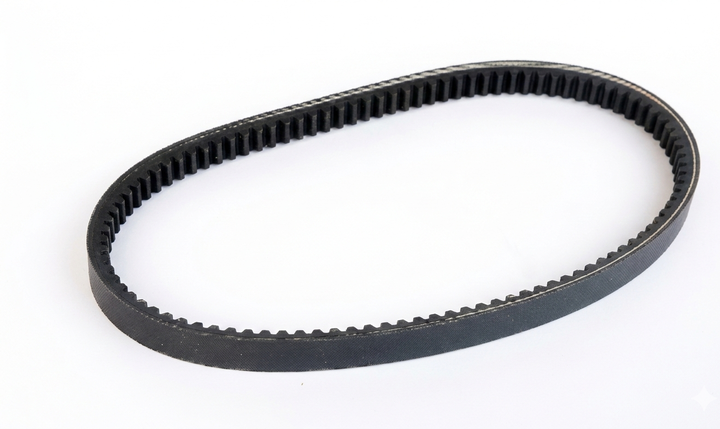
V belts are commonly used in industrial machinery, HVAC systems, pumps, compressors, generators, automotive equipment, and a variety of other power transmission applications. They are intended to efficiently transfer power between shafts, but as with any mechanical component, they can fail when improperly fitted, badly maintained, or subjected to harsh working circumstances.
Understanding common V belt faults can help organizations detect warning signs early on and prevent unplanned machinery downtime. Whether a company runs a small workshop or a huge industrial complex, selecting the right belt and following simple maintenance procedures can make a big impact.
1. V Belt Slippage
Belt slippage is one of the most typical issues. It usually occurs when the belt does not maintain a sufficient grip on the pulley. You may notice screeching noises, decreased machine performance, excessive heat, or a slick belt surface.
Slippage can be caused by insufficient tension, overloaded machinery, worn pulley grooves, or oil contamination.
How To Prevent It
Check the belt tension on a regular basis and adjust it to the specifications provided by the equipment manufacturer. The pulleys should also be checked for wear. If the grooves are damaged or extremely worn, merely changing the belt may not resolve the issue.
It is also critical to keep the belt and pulley surfaces clean, free of grease and other pollutants.
2. Cracking And Premature Belt Wear
Cracks can form when a belt is subjected to high temperatures, aging, improper pulley sizes, or extreme operating conditions. Flexing repeatedly might wear down the belt's material over time.
Small cracks may appear inconsequential at first, but with sustained operation, they can eventually lead to belt failure.
How To Prevent It
Regularly inspect belts for cracks, hardness, surface damage, and other visual symptoms of deterioration. Avoid exposing belts to excessive heat, oil, chemicals, or poor storage conditions.
The pulley size should also be suitable for the chosen belt. Using a belt that is properly sized for the application can assist prevent unnecessary tension.
3. Uneven Edge Wear
If one side of a V belt wears faster than the other, the cause could be pulley misalignment. When the pulleys are not properly aligned, the belt may run at an angle, resulting in uneven loading.
This type of wear should not be ignored because persistent misalignment can shorten belt life and degrade overall drive system performance.
How To Prevent It
When replacing a belt or noticing unusual wear, check the pulley alignment. The shafts and pulleys should be positioned correctly based on the equipment requirements.
If the same belt develops edge wear regularly, instead of replacing it, look at the alignment and condition of the pulleys.
4. Belt Breakage
A broken V belt might cause linked machinery to come to a sudden halt. Belt breaking can be caused by heavy overload, a locked or damaged shaft, foreign objects, improper installation, or excessive wear.
For firms that rely on continuous production, unexpected belt failure might cause unnecessary downtime.
How To Prevent It
Avoid operating machinery beyond its designed capacity. During maintenance checks, inspect the belt, pulleys, shafts, and other components.
If a belt breaks unexpectedly, don't just replace it and restart the machine. First, determine why the original belt failed. Otherwise, the new belt may have the same problem.
5. Glazing & Belt Hardening
A glazed belt typically has a shiny, firm surface. This problem occurs when a belt continually slips against a pulley, causing friction and heat.
Glazing is frequently an indication that the belt drive has some underlying issue, such as insufficient tension or damaged pulley grooves.
How To Prevent It
Check the belt tension and examine the pulley grooves on a regular basis. If the pulley grooves are worn, simply replacing the belt may not be a long-term solution.
The entire belt drive should be inspected to identify whether the problem is caused by the belt, pulley, tension, or operational load.
Why Correct Belt Selection Is Important
Preventing V belt problems begins before installation. The belt must match the machinery, pulley dimensions, operating speed, load, and working conditions.
Belt profiles and structures may vary depending on the use. Industrial suppliers in the UAE provide a variety of V belt types for a wide range of applications, including industrial, HVAC systems, automotive, and heavy equipment.
Working with expert v belt suppliers in UAE can assist organizations in determining the proper belt specification rather than choosing a replacement based solely on look or pricing.
Simple V Belt Maintenance Checklist
Regular inspections can aid in the early detection of problems. Businesses should consider checking:
-
Belt Tension
-
Pulley alignment
-
Pulley groove condition.
-
Evidence of cracking or hardening
-
Uneven edge wear.
-
Oil or chemical pollution.
-
Unusual sound or vibration
-
Signs of Belt Slipping
-
Overall belt condition.
It is also useful to keep track of belt replacements and frequent failures. If the same belt fails repeatedly, the issue could be due to another component or operational condition.
Choosing A Reliable V Belt Supplier
A trusted provider can play a vital role in optimal belt maintenance. When acquiring replacement belts, ensure that the provider can give the proper belt profile, size, specification, and application information.
Working with an expert v belt supplier in Dubai can also make replacement easier when belts are urgently required for maintenance or repair work.
Ideally, the supplier should understand the application and provide explicit product information rather than merely supplying a belt based on a general size.
Conclusion
Slipping, cracking, uneven wear, breakage, and glazing are all examples of V belt issues that can degrade machinery performance and cause unplanned downtime. Fortunately, many of these concerns may be avoided by using the proper belt, installing it correctly, inspecting it on a regular basis, and maintaining it on time.
Businesses should inspect the entire drive system, rather than just the belt. Checking pulleys, alignment, tension, load, and contaminants can aid in determining the root cause of frequent failures.
Businesses may assist better power transfer and more reliable machinery performance by obtaining appropriate items from reputable v belt suppliers in UAE and properly maintaining them.