How Does a Virtual Styling Service Adapt to Seasonal Fashion and Personal Style Evolution?
Posted by Styled By Golden
Filed in Other 107 views
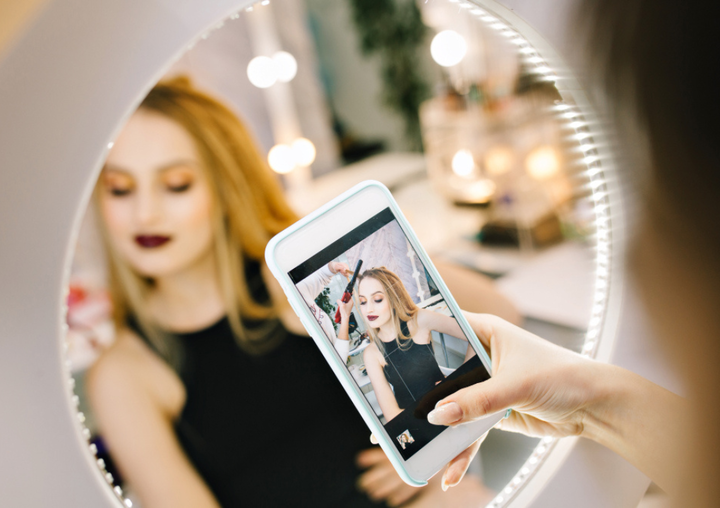
Style changes with time, weather, and life itself. Clothes worn last year may not feel right today, and outfits picked in summer rarely work once cold air hits. Personal taste also shifts as confidence grows, routines change, and priorities settle. A virtual styling service helps bridge these gaps by keeping wardrobes useful, current, and true to personal taste.
Instead of chasing trends or guessing what works, people get guidance built around seasons and real-life needs. This approach keeps the style practical, flexible, and easy to manage all year round.
What Is Seasonal Fashion?
Every season brings clear changes in fabric, color, and layering needs. A styling service starts by breaking these shifts into simple choices rather than overwhelming rules.
Stylists focus first on comfort and wearability. Summer outfits lean toward breathable fabrics and relaxed fits, while winter calls for warmth without bulk. Transitional seasons like spring and fall need layers that work together. These decisions help people stay comfortable while still looking pulled together, no matter the weather.
Color choices also play a strong role in seasonal planning. Lighter shades often feel right in warmer months, while deeper tones suit colder seasons. Stylists help clients mix seasonal colors with year-round neutrals so outfits stay balanced. This prevents closets from filling with clothes worn only once or twice.
Instead of pushing short-lived trends, stylists highlight seasonal staples that last longer and work across situations. This keeps wardrobes functional and saves money over time.
Keeping Personal Style at the Center
Seasonal fashion matters, but personal style always comes first. A styling service adapts fashion guidance around the individual rather than forcing a fixed look.
Lifestyle changes often shape style needs. A new job, remote work, travel plans, or family routines all affect clothing choices. Stylists ask questions to understand daily habits and social settings. Outfits are then planned to suit real routines instead of ideal scenarios.
Body changes also influence comfort and confidence. Weight shifts, posture changes, or health goals happen naturally. Stylists suggest fits and cuts that feel good now, without pressure. Clothing should support confidence, not create stress.
Personal taste evolves as well. Someone may move from bold prints to calmer tones or from fitted looks to relaxed silhouettes. A virtual styling service tracks these shifts through feedback and past choices, adjusting recommendations so style growth feels natural and not forced.
Planning for Smooth Seasonal Transitions
One of the biggest challenges with fashion lies in switching between seasons. Stylists help prepare ahead, so changes feel smooth instead of rushed.
Closet reviews play a key role here. Stylists help identify what stays in rotation, what needs storage, and what no longer works. This process clears clutter and makes room for pieces that fit the current season.
Shopping plans are also created with intention. Rather than random purchases, stylists suggest specific items that fill gaps and work with existing clothes. This helps people avoid impulse buys and build a more flexible wardrobe.
Common seasonal essentials often include:
-
Lightweight layers for changing temperatures
-
Neutral shoes that work across outfits
-
Accessories that refresh older clothes
This approach makes each season easier to manage.
Balancing Trends With Long-Term Style
Trends appear fast and disappear just as quickly. A good styling service treats trends as optional tools rather than must-haves.
Stylists select trends that align with personal taste and lifestyle. Instead of full trend-based outfits, they suggest small updates like a color accent or a new silhouette. This keeps looking current without losing identity.
Over time, stylists help shape a long-term style direction. This vision guides seasonal updates and keeps wardrobes consistent. Even as details change, the overall look stays familiar and authentic.
A virtual styling service excels here by offering continuity. Each season builds on the last rather than starting from scratch.
Personalization Through Ongoing Communication
Strong communication keeps styling advice relevant. Stylists rely on feedback to refine suggestions and avoid repeated mistakes.
Clients share what feels good, what gets worn often, and what stays untouched. Stylists adjust future plans based on this input. Trust grows as recommendations become more accurate over time.
Budget also stays part of the conversation. Stylists respect spending limits and offer options at different price levels. Fit, comfort, and versatility matter more than labels.
This personalized process helps people feel heard and understood.
Visual Planning and Everyday Ease
Seeing outfits before wearing them removes doubt. Stylists often provide outfit plans or visual guides showing how pieces work together.
These visuals help people mix clothes easily and get dressed faster. They also reduce the urge to buy unnecessary items since existing pieces feel fresh again.
Regular check-ins keep style aligned with life changes. Travel plans, events, or seasonal shifts prompt quick updates. Another benefit of a virtual styling service lies in this steady support without store visits or long appointments.
Final Thought
Style never stays fixed, and it shouldn’t. Seasons shift, routines change, and personal taste grows with experience. A well-managed virtual styling service adapts to all of this while keeping clothing practical and personal. It simplifies decisions, respects comfort, and supports confidence through every phase. When style evolves with intention, getting dressed feels easier, calmer, and far more enjoyable.