Exploring the Heart of Appalachia: Finding Community in Fallout 76
Posted by Olivia Whitmore
Filed in Card Games 219 views
When players first loaded into Fallout 76, they were met with a hauntingly beautiful version of West Virginia, but one that felt profoundly empty. The initial vision was bold: a multiplayer wasteland where every other character was a real person, and the story of what happened to the region's original inhabitants was told entirely through environmental details and fragmented audio logs. It was a lonely experience, but it laid the groundwork for something unexpected. Over time, that loneliness evolved into one of the most welcoming and cooperative communities in online gaming.
The shift began with the Wastelanders update, which reintroduced human NPCs and dynamic questlines, but the true heart of the experience remains the players themselves. In Fallout 76, cooperation is not just encouraged; it is woven into the fabric of daily life. From the moment a new player stumbles out of Vault 76, they are often greeted not by hostility, but by generosity. Veteran players, known as Vault Dwellers, frequently seek out newcomers to gift them with stimpaks, purified water, and handmade weapons. It is a common sight to see a high-level player in gleaming Power Armor drop a bag of essential supplies at the feet of a bewildered level 2, then fast travel away without a word.
This spirit of mutual aid extends to the game's systems. Public teams allow players to band together for shared bonuses without the pressure of constant communication. Events like Radiation Rumble or Encryptid draw crowds from across the server, and success depends on strangers working in unison. Players naturally fall into roles: some focus on healing, others on drawing enemy fire, and many simply tag as many enemies as possible to ensure everyone gets a share of the loot. There is no kill-stealing, no toxic competition for resources. The wasteland is harsh, and the game rewards those who face it together.
The C.A.M.P. system further reinforces this sense of community. These mobile bases are not just personal shelters; they become roadside attractions and trading posts. Players pour hours into building elaborate structures, from rustic log cabins to intricate modern mansions, often stocking vending machines with cheap ammunition and rare plans. Exploring the map often means discovering another player's creative vision, a reminder that even in a digital wasteland, people find ways to express themselves and share with others.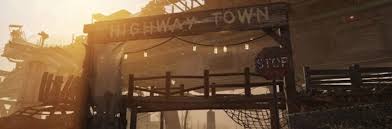
Fallout 76 Items has transformed from a controversial experiment into a testament to the power of community. It proves that even in a world reduced to ash and rubble, human connection remains the most valuable resource. The game's enduring appeal lies not just in its quests or its lore, but in the simple act of waving at a stranger, sharing a campfire, and rebuilding civilization one friendly interaction at a time. In the hills of Appalachia, every player is a neighbor.