A New Option in Targeted Biologic Therapy: Clinical Insights into Guselkumab Injection
Posted by DengYue Medicine
Filed in Health 141 views
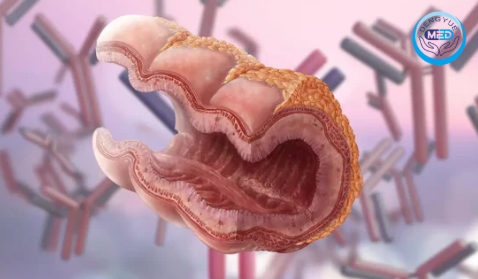
As a targeted biologic therapy, Tremfya offers a new treatment option for patients who have shown inadequate response or intolerance to conventional therapies, supported by its unique mechanism of action and extensive clinical data. The following overview examines its mechanism, approved indications, and key clinical findings.
With the advancement of precision medicine and biologic therapies, targeted immune pathway modulation is reshaping the treatment landscape for multiple chronic inflammatory diseases. As a monoclonal antibody targeting interleukin-23 (IL-23), Guselkumab injection has attracted significant attention in psoriasis, psoriatic arthritis, and inflammatory bowel disease (IBD).
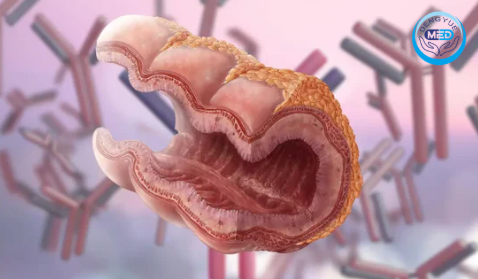
1. What Is Guselkumab?
Guselkumab is a fully human IgG1λ monoclonal antibody that selectively binds to the p19 subunit of interleukin-23 (IL-23), thereby inhibiting IL-23-mediated inflammatory signaling pathways.
IL-23 is considered a key pathogenic cytokine involved in several chronic inflammatory diseases, including:
● Psoriasis
● Psoriatic arthritis
● Crohn’s disease
● Ulcerative colitis
Compared with traditional broad-spectrum immunosuppressive therapies, IL-23-targeted treatment provides greater selectivity, helping suppress inflammation while minimizing widespread effects on the overall immune system.
2. Mechanism of Action: Dual Modulation with Upstream Immune Regulation
Guselkumab is the world’s first approved fully human IL-23 inhibitor with a dual mechanism of action. Its unique characteristics include:
● Highly Selective Targeting
Guselkumab selectively binds to the p19 subunit of IL-23, blocking downstream inflammatory signaling pathways.
● CD64 Receptor Binding
It can also bind to and localize on IL-23-producing immune cells (CD64+ cells), helping reduce IL-23 production at its source.
Because IL-23 is a key cytokine driving multiple chronic inflammatory diseases such as psoriasis and Crohn’s disease, this dual mechanism enables more precise immune modulation.
3. Overview of Approved Indications
Based on its mechanism of action, Guselkumab has been approved across multiple therapeutic areas, with some indications first approved globally in China.
● Dermatology
Approved for adults with moderate-to-severe plaque psoriasis who are candidates for systemic therapy.
● Gastroenterology (Inflammatory Bowel Disease, IBD)
In February 2025, Guselkumab received its first global approval in China for the treatment of adults with moderately to severely active Crohn’s disease (CD).
It was subsequently approved in China for adults with moderately to severely active ulcerative colitis (UC).
These indications primarily target patients who have had inadequate response, loss of response, or intolerance to conventional therapies such as:
● corticosteroids,
● immunomodulators,
● or biologics including TNF inhibitors.
4. Key Clinical Efficacy Data
Multiple large Phase III clinical studies, including GALAXI, GRAVITI, QUASAR, and ASTRO, have demonstrated the efficacy of Guselkumab across different disease areas.
|
Disease Type |
Clinical Study |
Key Efficacy Endpoint |
Data Interpretation |
|
Crohn’s Disease (CD) |
GALAXI 2 & 3 |
Endoscopic response rate at Week 48 |
In a head-to-head study versus the active comparator ustekinumab, Guselkumab demonstrated significantly superior endoscopic response rates (52.7% and 47.9% in the high- and low-dose groups, respectively, vs 37.1% in the ustekinumab group). |
|
|
GRAVITI |
Clinical remission rate at Week 12 |
In the fully subcutaneous (SC) regimen, the 400 mg SC induction group achieved a clinical remission rate of 56.1%, significantly higher than the placebo group (21.4%). |
|
|
GRAVITI & GALAXI |
Clinical remission rate at 2 years (Week 96) |
Long-term data showed that patients receiving either subcutaneous or intravenous induction followed by maintenance therapy achieved clinical remission rates exceeding 85% at Week 96 across both maintenance dosing regimens. |
|
Ulcerative Colitis (UC) |
QUASAR Long-Term Extension |
Clinical remission rate at Week 92 (~2 years) |
Clinical remission rates reached 71% in the 100 mg every-8-week group and 74% in the 200 mg every-4-week group (based on nonresponder imputation analysis). Among patients who completed treatment and had evaluable data, remission rates were as high as 75% and 83%, respectively. |
|
|
ASTRO |
Clinical and endoscopic remission rates at Week 48 |
In the Phase III fully SC regimen study, clinical remission rates were 36.7% and 42.9% in the 100 mg and 200 mg maintenance groups, respectively, while endoscopic remission rates were 25.9% and 26.4%, all significantly superior to placebo (7.2% and 5%). |
|
Moderate-to-Severe Plaque Psoriasis |
China Phase IV Study |
PASI 90 response rate at Week 16 |
In a study involving Chinese patients, 82.4% achieved ≥90% improvement in Psoriasis Area and Severity Index (PASI 90) at Week 16, while 88.8% achieved Investigator’s Global Assessment (IGA) 0/1 (clear or almost clear skin). |
|
|
VISIBLE Cohort B |
Complete scalp lesion clearance rate at Week 16 |
In a study including patients with diverse skin tones, 57.9% achieved scalp-specific IGA 0 (complete clearance) at Week 16, while 59.2% achieved 100% improvement in Psoriasis Scalp Severity Index (PSSI 100). |
4. Future Trends in IL-23 Targeted Therapy
In recent years, IL-23 inhibitors have increasingly become an important therapeutic direction in the field of autoimmune diseases.
As more long-term follow-up data and real-world evidence continue to emerge, Tremfya is accumulating further clinical evidence in areas including:
● Durability of therapeutic efficacy
● Long-term safety profile
● Expansion into multiple indications
For some patients who experience limited efficacy or poor tolerance with conventional therapies, IL-23-targeted treatment may provide a new therapeutic option.
Conclusion
Tremfya (Guselkumab) represents an important advancement in precision immunotherapy for chronic inflammatory diseases. By more precisely regulating immune-inflammatory pathways, it is bringing new treatment possibilities to patients with psoriasis, psoriatic arthritis, and inflammatory bowel disease.
As biologics and precision medicine continue to evolve globally, an increasing number of innovative immunotherapy strategies are rapidly entering clinical practice. As a platform focused on international cutting-edge medical innovation and advanced therapeutic developments, DengYue Pharma continues to monitor global progress in IL-23-targeted therapies, biologics, cell therapies, and precision medicine, providing access to frontier medical information and international healthcare resources for both patients and the medical community.
📌 This article is intended for medical education and industry information purposes only and does not constitute medical advice. Specific treatment decisions should be made under the guidance of qualified healthcare professionals.