What Is Lupus? Why Is It Called the “Undying Cancer”?
Posted by DengYue Medicine
Filed in Health 156 views
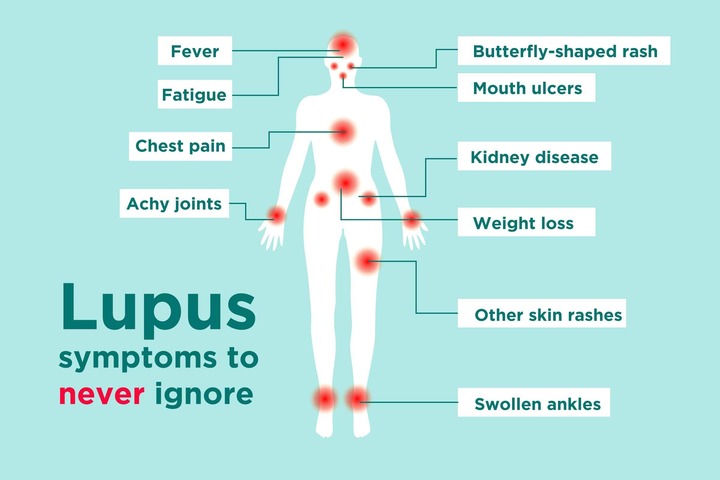
Systemic lupus erythematosus (SLE), commonly known as lupus, is a chronic autoimmune disease and one of the most common rheumatic immune disorders. In simple terms, the body’s immune system mistakenly attacks its own healthy tissues and organs, leading to chronic inflammation and multi-organ damage.
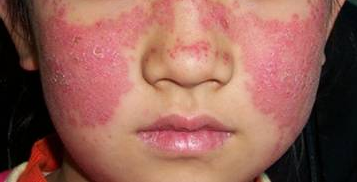
When many people first hear about lupus, they often think of the “red rash” associated with the disease. In fact, the butterfly-shaped facial rash is one of the classic symptoms of systemic lupus erythematosus, but the disease affects far more than just the skin.
In addition to the skin, lupus may also affect:
● Kidneys
● Lungs
● Cardiovascular system
● Nervous system
● Blood system
Some patients may experience dizziness, headaches, chest pain, shortness of breath, memory decline, nephritis, or even seizures.
Because systemic lupus erythematosus can cause long-term damage to multiple organs and currently has no complete cure, it was once referred to as the “undying cancer.” However, with advances in rheumatology and immunology, most patients today can achieve long-term disease control through standardized treatment.
How Does Lupus Develop?
The exact cause of systemic lupus erythematosus is still not fully understood. Medical experts generally believe that genetic factors, immune dysfunction, and environmental triggers all contribute to disease development.
Genetic susceptibility is considered an important foundation. People may have a higher risk if there is a family history of:
● Lupus
● Rheumatoid arthritis
● Sjögren’s syndrome
● Other autoimmune rheumatic diseases
However, genetics alone does not necessarily cause lupus. In many cases, environmental triggers are also involved.
What Factors May Trigger Lupus?
For individuals with genetic susceptibility, the following factors may trigger or worsen systemic lupus erythematosus:
1. Excessive Ultraviolet (UV) Exposure
Long-term or sudden intense sun exposure is one of the most common lupus triggers.
UV radiation may stimulate abnormal immune responses, worsening skin rashes and even triggering disease flare-ups.
2. Viral Infections
Some viral infections are associated with lupus, including:
● Epstein-Barr virus (EBV)
● Cytomegalovirus (CMV)
● Hepatitis C virus
Viral infections may activate the immune system and increase disease risk.
3. Certain Medications
Some drugs may induce drug-related lupus, including:
● Hydralazine
● Procainamide
● Chlorpromazine
● Penicillamine
Therefore, long-term medication users should always follow medical guidance.
4. Chemical Exposure
Long-term exposure to certain industrial chemicals may also increase lupus risk, such as:
● Trichloroethylene
● Silicon dioxide
People working in industries such as chemical manufacturing or construction should strengthen protective measures.
5. Hormonal Changes
Systemic lupus erythematosus is more common in women, suggesting that estrogen levels may play a role in disease development.
This is also one reason why women of childbearing age are more likely to develop lupus.
Who Is More Likely to Develop Lupus?
Overall, systemic lupus erythematosus is more common in the following groups:
Women
Especially women between the ages of 20 and 50, whose incidence rates are significantly higher than men.
People With a Family History
Those with close relatives who have:
● Lupus
● Rheumatic diseases
● Other autoimmune
disordersshould pay closer attention to symptoms and regular health screenings.
Common Symptoms of Lupus
The symptoms of systemic lupus erythematosus can vary greatly from person to person.
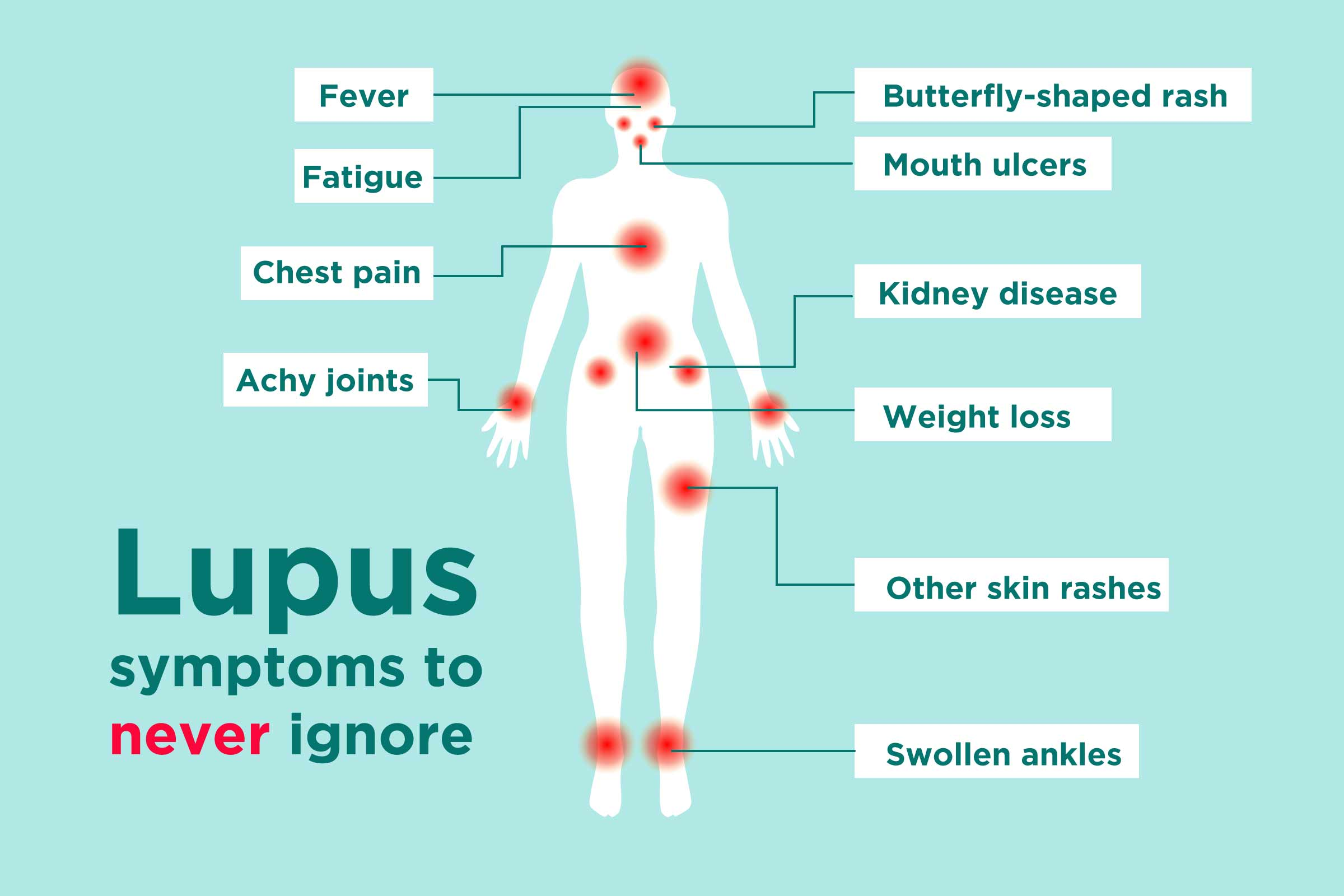
Common symptoms include:
● Butterfly-shaped facial rash
● Recurrent mouth ulcers
● Joint pain
● Chronic fatigue and weakness
● Fever
● Hair loss
● Photosensitivity
● Chest pain
● Shortness of breath
● Protein in urine
Some patients only experience mild symptoms in the early stages, making lupus easy to overlook. If you frequently experience unexplained fatigue, skin rashes, joint pain, or persistent low-grade fever, it is recommended to consult a rheumatology specialist promptly.
How to Prevent Lupus Flare-Ups
Although systemic lupus erythematosus cannot currently be completely cured, scientific management can effectively reduce disease activity and relapse risk.
1. Practice Strict Sun Protection
Avoiding prolonged UV exposure is extremely important.
When going outdoors, it is recommended to:
● Wear sun-protective clothing
● Use umbrellas
● Wear hats and sunglasses
● Apply high-SPF sunscreenPeople who are rarely exposed to sunlight should especially avoid sudden intense sun exposure.
2. Limit Foods That Increase Photosensitivity
Examples include:
● Coriander
● Celery
● Lettuce stem
● Mango
● FigsAfter consuming these foods, excessive sun exposure should be avoided.
3. Strengthen Immune Protection
Maintaining regular sleep schedules, balanced nutrition, and moderate exercise can help improve resistance to infections.
4. Avoid Misuse of Medications
Hormonal drugs and contraceptives should especially be used under medical supervision.
5. Quit Smoking and Reduce Stress
Long-term smoking, excessive stress, and chronic sleep deprivation may disrupt immune system stability.
Good emotional management and adequate sleep are very important.
6. Seek Medical Attention Early
If symptoms such as the following appear:
● Butterfly rash
● Joint pain
● Persistent fatigue
● Photosensitivity
● Unexplained feverit
is important to seek medical evaluation early. Early diagnosis and standardized treatment can significantly reduce the risk of organ damage.
Can People With Lupus Live Normally?
In the past, systemic lupus erythematosus was considered highly dangerous because it often affected multiple organs and carried a high mortality rate.
Today, however, advances in rheumatology and immune therapies allow most lupus patients to maintain stable disease control through long-term management.
Aside from paying special attention to sun protection, many patients can still work, study, and live normally after proper treatment, with a quality of life close to that of healthy individuals.
Conclusion
Although systemic lupus erythematosus is a chronic autoimmune disease, it does not mean the condition is uncontrollable.
What truly matters is:
● Recognizing symptoms early
● Avoiding triggering factors
● Following long-term standardized treatment
● Maintaining regular follow-up care
As medicine continues to advance, more and more lupus patients are achieving long-term disease stability and improved quality of life.
From chronic disease management to autoimmune disease education, Dengyue Pharma remains committed to patient-centered care, following global medical innovations, and protecting more families’ health through professionalism and responsibility.