Fire Protection Consultant | Fire Code & Safety Specialists
Posted by Vortex Fire
Filed in Other 38 views
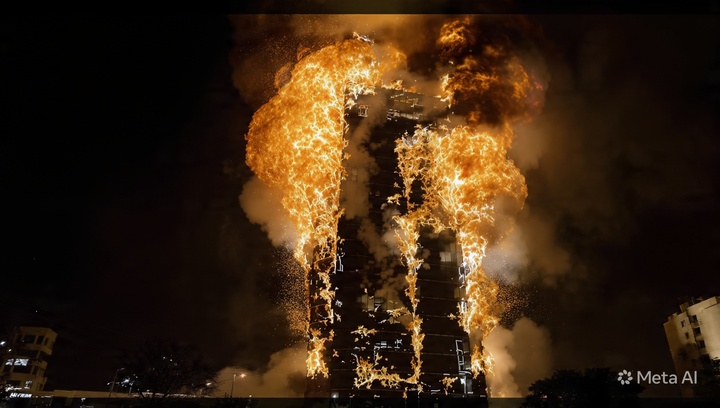
Fire safety is no longer a final checklist item for modern construction. High-rise towers, mixed-use developments, commercial complexes, hospitals, hotels, and transport facilities combine sophisticated architecture with complex materials and systems. These environments require careful planning from concept design through construction and occupancy. A fire protection consultant helps project teams interpret applicable codes, identify hazards, develop practical strategies, and coordinate life-safety measures with architectural and engineering goals. Early involvement can influence compartmentation, means of escape, smoke control, fire resistance, detection, suppression, and emergency access before costly design decisions become fixed. It also encourages better communication among architects, developers, contractors, authorities, and specialist engineers. Vortex Fire focuses on code consultancy and fire safety engineering, offering services that include building code consulting, fire strategy, performance-based design, and third-party active and passive fire inspections. This multidisciplinary model demonstrates why fire safety should be integrated into project planning rather than treated as an isolated approval requirement.
Understanding Façade Fire Risk
A building façade is more than an architectural feature. It can contain cladding, insulation, membranes, cavities, fixings, barriers, and decorative finishes, all of which can influence fire performance. The complete assembly must therefore be considered as a system because individual components may perform differently when combined. Fire Safety Façade Assessment provides a structured way to examine design information, material documentation, testing evidence, fire barriers, and installation requirements. In the UAE, the Fire and Life Safety Code of Practice contains specific requirements for façade fire assessment and inspection. The design should ideally be reviewed by a competent fire consultant before façade installation begins. Relevant checks can include system schematics, certificates, reaction-to-fire testing, full-scale assembly testing, spandrel separation, perimeter barriers, and cavity barriers. These measures help establish whether the proposed façade arrangement is supported by appropriate evidence and whether critical fire-safety features have been properly incorporated into the design.
From Approved Design to Verified Construction
Good documentation is essential, but approved drawings alone cannot guarantee that a façade has been installed correctly. Materials may be substituted, interfaces may change, or protective barriers may be incomplete during construction. Field verification provides an opportunity to compare actual installation with the approved design and identify deviations before they become concealed or difficult to correct. Vortex Fire's façade service describes inspections during construction and notes that field inspections are required at intervals during installation under the UAE process. Perimeter fire barriers also require specific inspection practices, while independent inspection bodies may need appropriate accreditation. This evidence-based approach creates a clearer record of what was designed, tested, approved, and constructed. It can also help project stakeholders address nonconformities through rectification, technical review, or resubmission where necessary. Independent verification is particularly valuable on complex developments because façade performance depends not only on product selection, but also on workmanship, interfaces, continuity of barriers, and adherence to tested assemblies.
The Value of Expertise and Professional Accountability
Fire engineering decision-making can bring about serious implications with regard to occupant safety, approvals, construction costs, and future performance of the property. Hence, it would be wise for clients not to stick with generic information but rather take into account the credentials and experience of the experts they employ. Vortex Fire demonstrates credentials in the area of fire safety consulting and inspections services including UAE Civil Defence, ISO certification and accreditation, Chartered Professional Engineers, as well as National Fire Protection Association. These credentials are quite useful, but one should not forget about professional expertise and experience either. A reputable fire consultancy firm should not only be aware of the local requirements but also know how to explain its recommendations to others. Also, the fire consultancy firm should be ready to collaborate with all sorts of authorities, architects, contractors, testing firms, etc. Thus, the ambiguity is reduced and the decision made is always technically defensible. When it comes to clear responsibility documentation and evidence retention, all parties involved are able to react to the changes in design and construction process without forgetting the goal.
Creating Resilient Buildings Through Proactive Planning
The best fire strategies are those which are proactive. They start with an assessment of the building, its occupants, its materials, the hazards present, and the building’s functional aims, and then they continue through the design phase, the construction process, the testing, the commissioning, and finally the handover of the building. The Fire Safety Façade Assessment may become an important part of such life-cycle approach, because it will help in identifying the risks related to the fa?ade systems both before their installation and during their installation. However, façade safety must be integrated into the general fire strategy, rather than be a separate concept. Compartmentation, evacuation, smoke control, active protection, structural fire resistance, and emergency response are all elements which increase the overall resilience of the building. An early technical input can also decrease avoidable redesign and disruption of construction due to the fact that the potential problems are spotted at the stage when they can be solved easily.
Conclusion
Modern fire safety depends on engineering expertise, reliable evidence, effective coordination, and verification throughout the project lifecycle. A fire protection consultant can help transform complex regulatory requirements into practical strategies that protect occupants while supporting project objectives. Specialist Fire Safety Façade Assessment adds another layer of assurance by examining façade systems, testing evidence, fire barriers, documentation, and installation quality. Vortex Fire's integrated approach to code consultancy, fire strategy, engineering, and inspection reflects the importance of connecting design decisions with construction realities. For developers, owners, architects, and contractors, the objective should extend beyond achieving approval. The real goal is to deliver buildings that remain safe, resilient, and dependable throughout their service life. Investing in competent advice early can reduce uncertainty, prevent costly corrections, strengthen compliance, and protect people, property, investment, and reputation.
FAQs
1. What does a fire safety consultant do?
A fire safety consultant evaluates building risks and applicable requirements, then develops strategies for life safety and property protection. Services may include code reviews, fire strategy, performance-based design, evacuation analysis, smoke modelling, inspections, testing, and technical documentation.
2. Why is façade fire assessment important?
Façade systems contain multiple materials and interfaces that can affect fire performance. Assessment helps confirm that the proposed assembly, testing evidence, barriers, certificates, and installation approach support applicable safety requirements.
3. When should façade design be reviewed?
Ideally, façade fire design should be reviewed before installation begins. Early review allows documentation, testing, barriers, and system details to be addressed before construction makes changes more difficult or expensive.
4. Why are construction inspections necessary?
Inspections verify whether the installed façade matches the approved design. They can identify missing barriers, material changes, workmanship issues, or other deviations that could affect expected fire performance.
5. How can clients choose the right consultancy?
Clients should consider relevant experience, professional qualifications, accreditation, knowledge of local regulations, inspection capabilities, technical resources, independence, and communication. A strong consultancy should provide clear, evidence-based recommendations that project teams can implement.