Podcast Studio Dubai: UAE Media Rules Every Creator Should Know
Posted by Gulf Podcast studios
Filed in Other 3 views
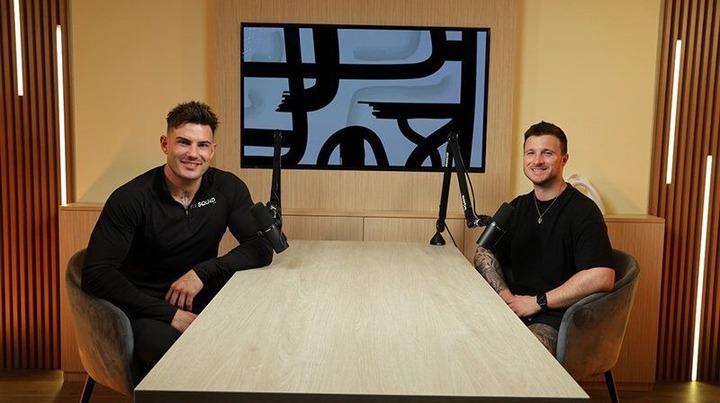
When booking a podcast studio Dubai, creators can rely on what used to be the only decision that mattered: pick a room, pick a time slot, hit record. That changed in 2025. A new wave of UAE media law now touches almost anyone publishing audio or video content for an audience, and podcasters are squarely inside that net. Before your next session, it is worth spending ten minutes navigating UAE media laws so you know what actually applies to you and what does not.
Why Podcasting Now Falls Under UAE Media Law
Federal Decree-Law No. 55 of 2023 on Media Regulation came into force on 29 May 2025, and it reshaped how the country treats digital content creators, influencers, and podcast hosts. The law sits under the National Media Authority, which replaced the old UAE Media Council in a further restructuring that took effect in January 2026. Twenty content standards now apply across the board, covering everything from respect for religion and national sovereignty to accuracy and the avoidance of misleading claims. Podcasting specifically got its own line item: Cabinet Decision No. 41/2025 set updated licensing fees for podcasting, electronic publishing, and audiovisual production, which is a clear sign the regulator treats podcasts as their own media category rather than background noise inside "social media."
The practical upshot is licensing. If your podcast generates income through sponsorships, paid guest slots, or affiliate deals, you are generally expected to hold a business license first, then apply for the relevant media license through the National Media Authority. Purely hobby shows with no commercial activity sit in a greyer zone, but the Authority has said it would rather creators ask questions than guess, and fee waivers have been offered to early registrants.
What a Compliant Recording Session Actually Looks Like
None of this changes what happens once you are inside a podcast studio in Dubai. A studio operator sets up mics, checks levels, and manages the cameras, and none of that is regulated any differently than before. What changes is upstream and downstream of the recording: what you say on the episode, how you describe sponsors, and what you publish afterward.
A few habits are worth building into your workflow before you ever press record:
-
Keep a simple record of who appears on each episode and any commercial arrangement tied to it, since sponsorship disclosure is one of the twenty content standards.
-
Avoid commentary on religion, national institutions, or foreign relations unless you have a strong reason and a carefully checked script.
-
Treat sensitive guest claims- health, financial, or legal- the way a newsroom would, and fact-check before you publish.
Common Mistakes First-Time Podcasters Make in Dubai
The most common misstep is assuming that a private podcast studio in Dubai that hosts you automatically makes a show exempt from media rules, which is not how the law is written. Location and licensing are separate issues; a podcast studio rental gets you the room and the equipment, not a legal shield.
The second mistake is treating the license requirement as optional because "everyone does it anyway." Fines under the new framework range from Dh10,000 for minor breaches up to Dh1 million, doubling to Dh2 million for repeat offenders, and enforcement on social platforms has already picked up pace.
The third mistake is waiting until a show has an audience before thinking about compliance. Retrofitting disclosure practices, contracts, and licensing after twenty episodes is far messier than building them in from episode one.
Choosing a Podcast Studio Dubai Hosts Can Trust for Compliant Production
Part of navigating UAE media law well is picking partners who have already thought about this. A studio cannot file your paperwork for you, but the right one makes good practice easier. Look for a space with an operator who understands sponsor reads and can flag anything that sounds like a compliance risk during recording rather than after. Ask whether the studio keeps raw files and for how long, since that record can matter if a claim made on an episode ever needs checking. Favor a team that has already worked with brands and business guests, because they will have seen edge cases a first-time host has not.
A Business Bay location helps in an unglamorous but useful way too. Being close to Dubai's business district means faster access to legal and licensing consultants if a question comes up mid-project, instead of losing a week to logistics.
Conclusion
A podcast studio in Dubai gives you the room, the cameras, and an operator who knows how to run a session, but navigating UAE media laws is a separate job that sits with the host. Get the licensing and content standards right early, keep good records of sponsorships and guest agreements, and treat compliance as part of your production process rather than an afterthought. When you are ready to record, Gulf Podcast Studios can host the session; for the legal side, a quick check with the National Media Authority or a licensing consultant is worth the hour it takes.
FAQs
1. Do I need a media license to start a podcast in Dubai?
If your podcast involves any commercial activity, sponsorships, or paid content, you will generally need a business license followed by a media license from the National Media Authority. Non-commercial hobby podcasts fall into a less defined category, so it is worth checking directly with the Authority.
2. Does recording at a podcast studio in Dubai cover my legal requirements?
No. The studio handles the technical side of production. Licensing, content standards, and disclosure requirements sit with you as the creator, separate from where you record.
3. What happens if my podcast breaks one of the UAE's content standards?
Penalties scale with severity and repetition, ranging from Dh10,000 to Dh1 million, with fines doubling for repeat violations. Breaches involving religion or national interests are treated more harshly than general content issues.
4. Who do I contact with questions about media law compliance?
The National Media Authority handles licensing and can clarify requirements directly. Several creators have found that asking for guidance before publishing was faster and cheaper than fixing a problem afterward.