How Do Hair Specialists Match Hair Systems With Existing Facial Features?
Posted by Lisa Shelby
Filed in Other 5 views
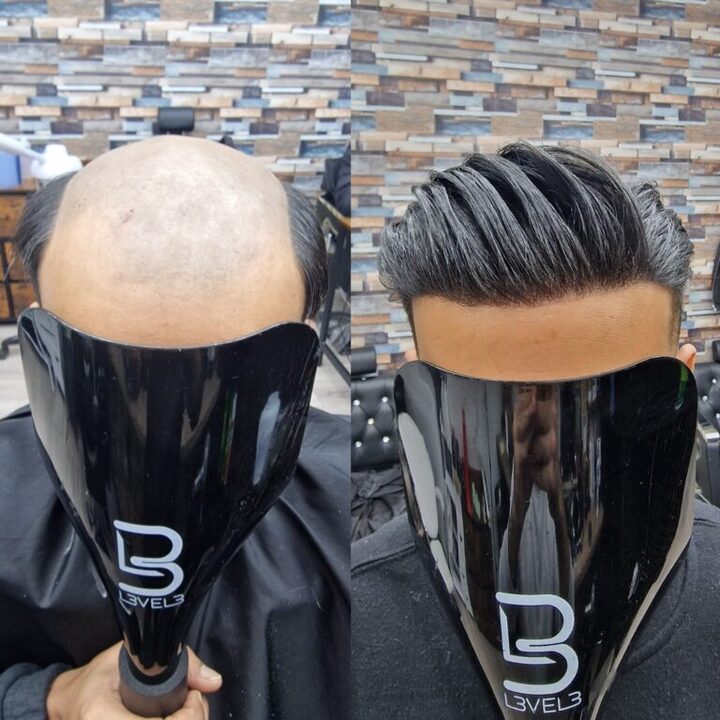
Choosing a hair replacement system involves more than selecting a suitable hair colour or base material. The system should also complement the person's facial features. A hairstyle that looks natural on one person may not create the same effect on someone with a different face shape, forehead or facial structure.
This is why professional hair specialists consider several details before recommending a hair system. They look at the client's existing hair, facial proportions, skin tone and preferred hairstyle. These factors help them choose a system that looks balanced and feels suitable for everyday use.
The aim is not to completely change someone's appearance. Instead, the goal is to restore a natural-looking hairstyle that works with their existing features.
Understanding how specialists make these decisions can help men feel more confident when considering non-surgical hair replacement.
Why Do Facial Features Matter When Choosing a Hair System?
Facial features have an important influence on how a hairstyle looks. The forehead, jawline, cheekbones and overall face shape can affect which hairline and hairstyle appear most natural.
A hair system should work with these features rather than create an appearance that looks disconnected from the rest of the face.
For example, a very low and dense hairline may not suit someone who naturally has a higher forehead. Similarly, a hairstyle with excessive volume may change the balance of a person's facial proportions.
Hair specialists consider these differences during the consultation. They assess the client's appearance and discuss the type of hairstyle that would be most suitable.
This approach helps create a result that looks natural rather than overly styled.
How Do Specialists Identify the Right Face Shape?
Face shape is one of the details that can influence hairstyle selection. Although every face is different, specialists often consider general face shapes when discussing suitable hair system styles.
Oval Face Shape
An oval face usually has balanced proportions. The forehead may be slightly wider than the chin, with gently curved sides.
Men with this face shape can often consider several hairstyles. Short, medium and longer styles may all work, depending on hair texture and personal preference.
A specialist will still consider the natural hairline and hair density before recommending a particular design.
Round Face Shape
A round face generally has softer angles and similar width and length measurements.
Some men prefer hairstyles that add height at the top. This can create a more elongated appearance and provide a balanced overall look.
The specialist may recommend a style with suitable volume rather than excessive width around the sides.
Square Face Shape
A square face often has a more defined jawline and a wider forehead.
Hairstyles with some texture can complement these features. A suitable hairline can also help maintain the natural proportions of the face.
The final choice depends on the client's existing hair and preferred appearance.
Long Face Shape
A longer face may benefit from a hairstyle that avoids excessive height at the top.
A balanced amount of volume and suitable side styling can help create a more proportionate appearance.
The specialist considers the forehead and overall facial length when discussing the hairline position.
These face shapes provide general guidance. They are not strict rules. Personal preference and natural hair characteristics should always be considered.
How Is the Right Hairline Selected?
The hairline is one of the most important parts of a hair replacement system. It frames the face and can influence how natural the complete hairstyle appears.
Hair specialists consider several details before setting the hairline.
The first is the client's natural hairline. If the person has photographs showing their previous hairstyle, these can help provide an idea of its original position and shape.
The specialist also considers the forehead height and temple areas. These details help determine where the replacement hair should begin.
Age is another consideration. A very low, perfectly straight hairline may look unsuitable for an adult man whose natural hairline previously had some recession.
A slightly irregular hairline can sometimes appear more realistic because natural hairlines are rarely perfectly uniform.
The aim is to create a design that complements the person's face and looks appropriate for their overall appearance.
How Does Skin Tone Influence Hair System Selection?
Skin tone can affect how different hair colours and hairline designs appear.
A specialist considers the relationship between the client's scalp, complexion and replacement hair. The objective is to avoid an obvious contrast that makes the system stand out.
For example, choosing a hair colour that is too dark may create a strong difference against lighter natural hair or visible scalp areas.
The appearance of the base material also matters. Different hair system bases have different characteristics, and the specialist should consider how the selected material will look when fitted.
Lighting can influence colour selection as well. Hair may appear slightly different under indoor lighting compared with natural daylight.
For this reason, colour assessment should not rely on a photograph or online shade chart alone.
Why Is Natural Hair Colour Matching Important?
A suitable hair colour helps the replacement system blend with the client's existing hair.
However, natural hair is not always a single uniform shade. Some men have lighter sections, grey strands or slight colour differences around the temples.
A replacement system that looks too dark or too bright may create an obvious contrast.
Hair specialists assess the natural hair colour before selecting or customising the replacement hair. They may also consider whether a haircut or colour adjustment is needed to create a more consistent appearance.
Colour matching is particularly important for men who still have natural hair around the sides and back.
The aim is to make the replacement hair and existing hair look like parts of the same hairstyle.
How Do Hair Density and Facial Proportions Work Together?
Hair density refers to how much hair is present in a particular area. It can influence the overall appearance of the face.
A system with excessive density may look different from the client's natural hair. It can also create an appearance that does not suit their facial proportions.
Hair specialists consider the density of the existing hair and the client's preferred hairstyle before recommending a suitable option.
For example, a man with naturally fine hair may prefer a system with moderate density. This can help maintain consistency between the replacement hair and the surrounding areas.
The front section also requires attention. Too much density around the hairline can make it look less natural.
A balanced approach helps the hairstyle complement the face without appearing unnecessarily thick.
How Does Hair Texture Affect the Final Appearance?
Hair texture influences how a hairstyle sits and moves.
Some men have straight hair, while others have wavy or curly hair. The thickness of individual strands can also vary.
Specialists consider these differences when choosing a suitable hair system.
If the replacement hair has a noticeably different texture, it may not blend properly with the client's existing hair. This can make the hairstyle appear uneven.
Matching the texture helps create a consistent finish. It also makes everyday styling easier because the replacement hair behaves more like the surrounding hair.
The specialist may recommend particular styling techniques depending on the client's natural hair movement and preferred look.
Why Should Existing Hairstyles Be Considered?
A hair replacement system should suit the client's lifestyle and usual appearance.
Some men prefer short and simple hairstyles that require little daily styling. Others prefer longer hair with more volume or texture.
Hair specialists discuss these preferences before recommending a system.
They also consider the amount of natural hair remaining around the sides and back. This helps determine how the replacement hair should be cut and blended.
For example, someone who prefers a short hairstyle may require a different density and cutting approach from someone who wants longer hair.
The chosen system should also allow the client to maintain a manageable routine.
A suitable hairstyle is one that looks natural and fits comfortably into everyday life.
What Role Does Professional Cutting and Blending Play?
Even when the correct system has been selected, the final result depends heavily on professional cutting and blending.
The replacement hair must connect naturally with the existing hair. If there is a sudden difference in length, volume or texture, the system may become noticeable.
A specialist adjusts the hairstyle to create a smooth transition. This may involve layering, texturising and shaping different sections.
The sides and back are also considered so that the complete hairstyle looks balanced.
The hairline may need additional attention to make sure it complements the client's forehead and facial proportions.
Professional cutting helps bring together all the details selected during the consultation.
For information about fitting, cutting and blending, visit https://www.londonhairreplacement.co.uk/new-hair-system/.
Can a Hair System Be Customised for Different Facial Features?
Yes. Hair systems can be selected and adjusted to suit different appearances and styling preferences.
Customisation may involve hairline positioning, colour selection, density and haircut design.
Some men may require a frontal hair system to address thinning around the front hairline. Others may need a larger system to cover more extensive hair loss.
The right option depends on the amount of existing hair and the areas that need coverage.
Base material is another consideration. Lace, poly, mono and hybrid systems offer different characteristics. A specialist can explain which options may suit the client's needs.
Customisation should always be based on realistic expectations. Not every system or hairstyle will be suitable for every person.
A professional consultation helps identify the most practical choice.
What Should Men Discuss During a Hair System Consultation?
A consultation is an opportunity to explain personal preferences and understand the available options.
Men should discuss their preferred hair length, hair colour and everyday styling habits. It is also useful to explain whether they want a similar appearance to their previous hairstyle or prefer a different look.
The specialist can then assess the existing hair and facial features.
Questions about maintenance, fitting time, attachment methods and system lifespan should also be discussed.
Clients can bring photographs of hairstyles they like. Previous photographs can also help specialists understand the client's original hairline.
Clear communication makes it easier to choose a system that meets individual expectations.
Why Is Regular Maintenance Important for a Natural Appearance?
The appearance of a hair system can change over time. Natural hair continues to grow, while the replacement hair may gradually lose its original shape.
This can affect the way the system blends with the surrounding hair.
Regular maintenance helps keep the hairstyle balanced. During an appointment, the specialist can remove the system, clean the scalp, re-bond it and adjust the haircut.
Colour and styling may also need attention as the client's natural hair changes.
Maintenance requirements depend on the system type, lifestyle and individual hair growth.
Following suitable aftercare advice can help maintain the system's appearance between appointments.
Choosing a Hair Specialist Who Understands Facial Features
Selecting an experienced professional is an important part of the hair replacement process.
A good specialist should take time to understand the client's expectations. They should assess the existing hair, discuss suitable hairline options and explain the differences between available systems.
It is also useful to look at genuine examples of previous fitting and styling work.
Clients should feel comfortable asking questions about colour matching, density and maintenance. A professional should provide practical advice rather than recommend a system simply because it is available.
The consultation should focus on achieving a suitable result for the individual.
Final Thoughts
Matching a hair system with existing facial features requires careful consideration. Face shape, forehead height, skin tone, hair colour and natural hair density can all influence the final appearance.
Hair specialists use these details to recommend a suitable hairline, system design and hairstyle. Professional cutting and blending then help bring everything together.
The most suitable hair replacement system is not necessarily the one with the greatest density or the lowest hairline. It is the one that works naturally with the person's appearance and everyday needs.
For men considering non-surgical hair replacement, a professional consultation is a useful first step. It provides an opportunity to discuss personal preferences, understand the available options and make a more informed decision.