How Excessive Screen Time Can Affect Children's Learning
Posted by addison albert
Filed in Technology 20 views
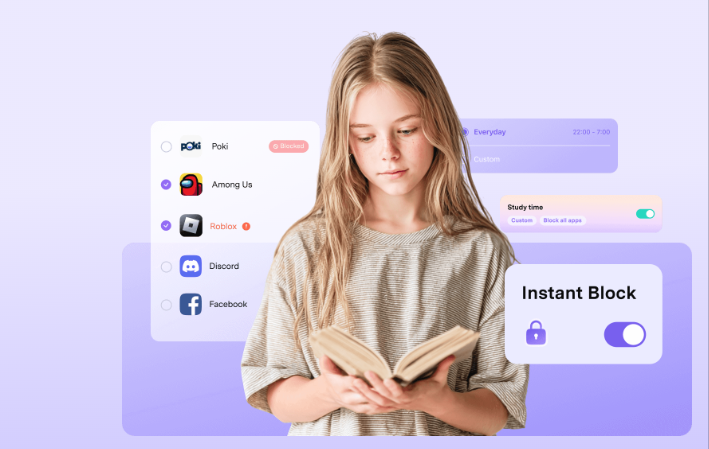
Screens are now part of everyday childhood. Children use smartphones, tablets, computers, and televisions for schoolwork, entertainment, and communication. Digital tools can support learning, but spending too much time on recreational screen activities may interfere with a child's education, concentration, and daily routine.
For parents, the challenge is not to eliminate technology completely. It is to help children use it in ways that support learning rather than distract from it.
Reduced Attention and Concentration
Learning requires children to focus on instructions, understand new concepts, and complete tasks. Frequent notifications, short videos, and rapidly changing content can encourage children to switch their attention repeatedly.
When children move between homework, games, and social media, they may find it harder to concentrate on one task for an extended period. Research has linked excessive screen use and media multitasking with attention difficulties, although the relationship varies between children and does not always establish cause and effect.
Parents can help by creating a quiet study environment. Keep recreational apps closed during homework and silence unnecessary notifications. Encourage children to finish one assignment before moving to another activity.
Lower Academic Performance
Excessive recreational screen use can take time away from reading, revision, practice, and other activities that support academic progress.
A systematic review published in JAMA Pediatrics found associations between certain screen activities, including television viewing and video gaming, and lower academic performance. However, the findings differed by activity, and overall screen time did not show a consistent association across all academic outcomes.
The purpose of screen use matters. Watching an educational lesson or researching a school project is different from spending hours scrolling through entertainment feeds.
Parents should help children distinguish between productive and recreational screen time. Establish regular study hours and encourage children to complete important school tasks before using devices for entertainment.
Sleep Problems That Affect Learning
Sleep plays an important role in memory, concentration, and emotional regulation. Children who stay up late watching videos, gaming, or chatting may struggle to get enough rest.
Using devices close to bedtime can delay sleep or make it harder to settle down, particularly when content is exciting or notifications continue throughout the night. Poor sleep can then affect a child's alertness and ability to learn the following day.
Set a consistent bedtime and introduce a screen-free period before sleep. Keep smartphones and tablets outside the bedroom overnight when practical. A predictable evening routine can help children wind down and prepare for the next school day.
Fewer Opportunities for Reading and Creative Activities
Children develop important skills through activities that do not involve screens. Reading books, drawing, building things, playing outdoors, and talking with family members all provide opportunities to practise language, creativity, problem-solving, and communication.
When recreational screen use takes up most of a child's free time, these activities may receive less attention. This is especially important for younger children, who benefit from hands-on exploration and conversations with caregivers.
Parents can introduce simple alternatives, such as family reading time, puzzles, sports, crafts, and educational games away from screens. The aim is to create a balanced routine rather than treating every digital activity as harmful.
Increased Distractions During Homework
Many children use the same device for schoolwork and entertainment. A child might begin researching a topic but become distracted by a gaming notification, a message, or a social media video.
These interruptions can make homework take longer and reduce the attention available for understanding the subject.
Parents can establish clear homework rules, such as keeping entertainment apps closed and placing personal devices out of reach when they are not required for the assignment.
For families that need additional support, parental control tools can help manage recreational app access and screen time schedules. TheOneSpy, for example, offers monitoring and device management features for supported devices. Parents can explore whether its available features suit their family's needs and use any supervision tools transparently and with appropriate authorization.
Technology should support children's education, not become another source of distraction.
Practical Ways to Manage Screen Time
Reducing excessive screen use becomes easier when families establish consistent habits.
Parents can start with a few practical steps:
- Create a daily routine: Set aside time for schoolwork, meals, physical activity, recreation, and sleep.
- Set reasonable limits: Use device settings to manage recreational apps and establish screen-free periods.
- Protect study time: Keep entertainment notifications off while children complete homework.
- Encourage offline interests: Make time for reading, hobbies, outdoor play, and family activities.
- Review habits together: Discuss which activities help children learn and which ones make concentration more difficult.
- Lead by example: Put away personal devices during family meals and conversations.
Review these rules regularly as children grow and their educational needs change. Involving children in the process can help them develop self-discipline rather than relying entirely on parental restrictions.
Conclusion
Excessive recreational screen time can interfere with children's concentration, academic routines, sleep, and opportunities for offline learning. However, screens are not inherently harmful. Educational content, supervised technology use, and interactive learning tools can provide real benefits when used appropriately.
Parents can make a difference by setting clear boundaries, encouraging varied activities, and helping children understand the importance of balance. Built-in screen-time settings and parental control solutions such as TheOneSpy may provide additional support when used appropriately.
Ultimately, the goal is to help children develop healthy digital habits so they can enjoy technology while giving their education, wellbeing, and personal development the attention they deserve.