Who Is the Ideal Candidate for Fat Melting Injections?
Posted by Enfield Oman
Filed in Health 3 views
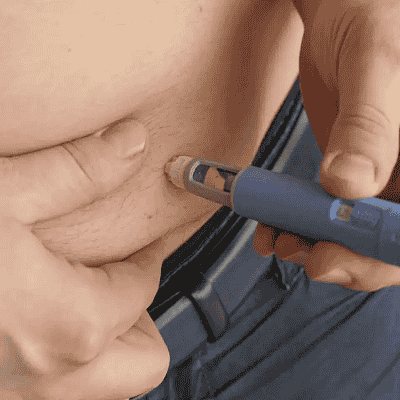
Stubborn fat can be difficult to reduce, even when an individual follows a balanced diet and maintains a regular exercise routine. Certain areas of the body, such as the chin, abdomen, thighs, and flanks, may retain unwanted fat deposits despite consistent lifestyle efforts. This can make some individuals consider non-surgical cosmetic treatments that aim to improve body contours without undergoing an invasive operation.
Fat Melting Injections are a non-surgical cosmetic treatment designed to target selected pockets of unwanted fat. These injections use fat-dissolving substances to break down fat cells in specific treatment areas. However, they are not suitable for everyone, and understanding the ideal candidate is essential before considering the procedure.
The best candidates generally have localized fat deposits, realistic expectations, and good overall health. Knowing how the treatment works, who may benefit from it, and which factors affect suitability can help individuals make informed decisions about their body-contouring goals.
1. What Are Fat Melting Injections and How Do They Work?
Fat melting injections, also known as fat-dissolving injections, are cosmetic treatments intended to reduce small, localized pockets of unwanted fat. They involve injecting a substance into a selected area to disrupt fat cells, allowing the body to gradually process and eliminate the cellular debris.
One commonly used fat-dissolving ingredient is deoxycholic acid. It is a naturally occurring molecule involved in the digestion and absorption of dietary fat. In certain approved injectable formulations, synthetic deoxycholic acid works by damaging the membranes of targeted fat cells.
After treatment, the body gradually processes the disrupted cells through its natural metabolic and inflammatory processes. As swelling settles and the treated area heals, the appearance of localized fullness may improve.
Depending on the formulation and treatment area, fat-dissolving injections may be considered for areas such as:
-
Double chin or submental fat.
-
Small fat deposits around the abdomen.
-
Flanks or love handles.
-
Upper arms.
-
Thighs.
-
Other selected localized fat pockets.
However, not every injectable formulation is approved or clinically established for every body area. The suitability of treatment depends on the specific product, its regulatory approval, the anatomical location, and an individual's health.
These injections are designed for localized body contouring rather than significant overall weight reduction. They also do not replace healthy eating, physical activity, or medical weight management.
2. Who Is the Ideal Candidate for Fat Melting Injections?
The ideal candidate for fat-dissolving injections is generally someone who is close to their desired body weight but struggles with small, stubborn fat deposits that do not respond easily to lifestyle changes.
Although individual suitability varies, several characteristics may indicate that someone could benefit from this type of cosmetic treatment.
Individuals With Localized Fat Deposits
People with small, clearly defined pockets of fat may be suitable candidates. These deposits can remain noticeable even when the individual maintains a relatively stable weight.
For example, someone may have a generally slim appearance but still experience fullness beneath the chin. Similarly, an individual may notice stubborn fat around the abdomen or flanks despite regular physical activity.
Fat-dissolving injections may help improve selected areas when the fat is appropriate for the treatment and the individual meets the necessary medical criteria.
Individuals Close to Their Target Weight
These injections are generally intended for people who do not need substantial weight loss.
Someone who is already maintaining a relatively healthy weight may find localized fat reduction useful for refining particular body contours.
Individuals with significant overweight or obesity may be better served by discussing evidence-based weight management options before considering localized cosmetic procedures.
Individuals With Good General Health
Overall health is an important consideration before any injectable cosmetic treatment.
Suitable candidates should generally be free from medical conditions that could increase procedural risks or interfere with healing.
A qualified healthcare professional should review medical history, current medications, allergies, previous procedures, and any relevant health concerns before recommending treatment.
Individuals With Realistic Expectations
Fat melting injections can reduce targeted fat deposits, but they cannot guarantee a perfectly sculpted appearance.
The results depend on factors such as the amount of fat present, skin elasticity, treatment area, product used, and individual response.
People who understand these limitations are generally better prepared for the treatment process and its possible outcomes.
3. Which Areas Can Benefit From Fat Melting Injections?
The treatment area is one of the most important factors when determining whether someone is a suitable candidate.
Different body areas have different anatomical structures, fat distributions, and safety considerations. Therefore, an injectable product that is appropriate for one area may not be suitable for another.
Double Chin
The area beneath the chin is one of the best-known treatment locations for certain fat-dissolving injections.
Submental fullness can make the jawline appear less defined, even in individuals who are otherwise relatively slim.
For eligible individuals, approved deoxycholic acid treatment may help reduce excess fat beneath the chin and improve the appearance of the jawline.
However, not all fullness under the chin is caused by fat. Loose skin, muscle structure, and natural anatomy can also contribute to its appearance. A proper assessment is therefore essential.
Abdomen and Flanks
Small fat deposits around the stomach and waistline can sometimes remain noticeable despite regular exercise and balanced eating habits.
Some cosmetic injectable formulations are marketed for localized fat reduction in these areas. However, evidence and regulatory approval vary considerably between products and treatment locations.
A healthcare professional should confirm whether a specific formulation is appropriate for abdominal or flank treatment rather than assuming that all fat-dissolving injections are interchangeable.
Arms and Thighs
Some individuals also experience localized fat deposits around their upper arms or thighs.
These areas may require different approaches depending on fat thickness, skin elasticity, and the amount of tissue involved.
Fat-dissolving injections are not universally established or approved for these locations. A professional assessment can help determine whether an injectable treatment is appropriate or whether another body-contouring option would be safer and more effective.
4. Who Should Avoid Fat Melting Injections?
Although fat-dissolving injections may benefit selected individuals, they are not suitable for everyone.
Certain medical conditions, anatomical concerns, and personal circumstances may increase the likelihood of complications.
People who may need to avoid treatment or undergo additional medical assessment include:
-
Pregnant or breastfeeding individuals: Elective fat-dissolving injections are generally postponed because safety data are insufficient.
-
Individuals with active skin infections: Infection, inflammation, or irritation around the proposed injection area should be addressed before treatment.
-
People with bleeding disorders: Certain medical conditions or medications that affect blood clotting may increase bruising and bleeding risks.
-
Individuals with significant skin laxity: Loose skin may remain noticeable even after fat reduction, meaning the treatment may not achieve the desired appearance.
-
People with allergies to treatment ingredients: Known allergies to the formulation or its components may make treatment unsuitable.
-
Individuals with certain medical conditions: Existing health concerns may affect treatment safety and healing.
-
People with unrealistic expectations: Those expecting substantial weight loss or dramatic changes may be disappointed by the limitations of localized fat reduction.
Individuals with previous cosmetic procedures in the intended treatment area should also disclose this information during consultation.
For example, scarring, altered anatomy, or previous injectable treatments may influence the safest approach.
A proper medical assessment is essential because the risks differ depending on the active ingredient and the treatment area.
5. What to Expect Before, During, and After Fat Melting Injections
Understanding the treatment process can help individuals decide whether fat-dissolving injections are appropriate for their needs.
Before Treatment
The process generally begins with a consultation and physical assessment.
During this stage, the healthcare professional evaluates the treatment area, discusses the individual's cosmetic concerns, and reviews relevant medical history.
The assessment may include:
-
Examining the amount and distribution of localized fat.
-
Checking skin elasticity and overall tissue condition.
-
Reviewing allergies and existing health conditions.
-
Discussing medications and previous cosmetic procedures.
-
Explaining potential benefits, limitations, and complications.
-
Determining whether the selected injectable product is appropriate.
The professional should also explain how many sessions may be needed and what results can realistically be expected.
During Treatment
The treatment area is usually cleaned before injections are administered.
Depending on the formulation and treatment plan, the practitioner may mark specific injection points and use a fine needle to deliver the product into the targeted fat layer.
Some individuals experience temporary discomfort, stinging, or a burning sensation during the procedure.
Treatment duration depends on the size and number of areas being addressed.
Only appropriately trained and qualified healthcare professionals should perform these injections, using products suitable and authorized for the intended treatment area.
After Treatment
Temporary swelling and tenderness are common after certain fat-dissolving injections.
Other possible effects include:
-
Bruising.
-
Redness.
-
Numbness.
-
Firmness around the treated area.
-
Temporary discomfort.
-
Localized inflammation.
Swelling can sometimes be significant, particularly after treatment beneath the chin.
The treated area generally requires time to recover as the body processes the disrupted fat cells. Individuals should follow their practitioner's aftercare instructions and avoid manipulating the area unless specifically advised.
Severe pain, spreading redness, fever, skin discoloration, difficulty swallowing, or other unusual symptoms require prompt medical assessment.
6. What Results Can the Ideal Candidate Expect?
Results from fat melting injections are gradual rather than immediate.
After the treatment, the body needs time to process the disrupted fat cells. Consequently, visible changes generally develop over several weeks, depending on the product, treatment area, and individual healing response.
Some individuals may require multiple treatment sessions to achieve their desired improvement. The number of sessions depends on the amount of localized fat and the specific injectable formulation.
Several factors influence the final outcome:
Amount of localized fat: Smaller, clearly defined deposits may be more appropriate for localized treatment than extensive fat accumulation.
Skin elasticity: Good skin elasticity can help the treated area appear smoother after fat reduction. Individuals with significant loose skin may require a different approach.
Treatment area: Different anatomical locations respond differently, and some areas have more established clinical evidence than others.
Individual response: Healing and fat processing vary from person to person.
Lifestyle habits: Maintaining a stable weight through balanced nutrition and regular physical activity can help preserve the overall body contour.
It is important to understand that fat-dissolving injections do not prevent future weight gain. Remaining fat cells can increase in size if an individual gains weight after treatment.
The treatment also carries risks that should be discussed before proceeding. For example, injectable deoxycholic acid used beneath the chin can cause nerve injury resulting in an uneven smile, difficulty swallowing, skin ulceration, or tissue damage if administered incorrectly.
A qualified professional can explain the expected recovery period, possible complications, and whether the likely benefits justify the risks.
7. How to Determine Whether Fat Melting Injections Are Right for You
Choosing a cosmetic fat-reduction treatment should involve more than simply identifying an area of unwanted fat.
The most appropriate option depends on the underlying cause of the concern, the individual's health, and the desired outcome.
A professional consultation helps establish whether the fullness is caused by localized fat, loose skin, muscle structure, or another anatomical factor.
Individuals considering treatment should ask important questions, including:
-
Is the injectable product approved for the intended treatment area?
-
What active ingredient does the formulation contain?
-
What clinical evidence supports its effectiveness?
-
How many treatment sessions might be required?
-
What side effects and complications are possible?
-
What results are realistic for the individual's anatomy?
-
Are there safer or more suitable alternatives?
Depending on the assessment, alternatives may include lifestyle modifications, approved injectable treatments for specific areas, energy-based body-contouring procedures, or surgical options for individuals with more extensive concerns.
A suitable treatment plan should prioritize safety, realistic expectations, and individual needs rather than promising dramatic changes.
Ultimately, the ideal candidate for fat melting injections is someone with suitable localized fat deposits, good general health, realistic expectations, and an understanding of the treatment's benefits and limitations. Professional assessment remains essential before making a decision.
Frequently Asked Questions
1. Who is the best candidate for fat melting injections?
The best candidates are generally individuals who are close to their desired body weight but have small, stubborn fat deposits in specific areas. They should have realistic expectations, good general health, and no medical conditions that make the treatment unsafe.
2. Are fat melting injections suitable for overweight individuals?
These injections are primarily designed for localized fat reduction rather than overall weight loss. Individuals with significant overweight or obesity may benefit more from discussing medical weight management and lifestyle interventions before considering cosmetic fat-reduction procedures.
3. Can fat melting injections remove a double chin?
Certain approved fat-dissolving injections containing deoxycholic acid can reduce moderate submental fat in appropriately selected adults. However, they may not address fullness caused by loose skin, muscle structure, or other anatomical factors.
4. How many sessions of fat melting injections are needed?
The number of sessions depends on the treatment area, the amount of localized fat, the injectable formulation, and individual response. Some approved treatments involve multiple sessions, while other formulations have different treatment protocols. A qualified professional can recommend an appropriate schedule.
5. Are fat melting injections permanent?
The fat cells successfully destroyed by certain fat-dissolving treatments do not regenerate. However, remaining fat cells can enlarge with weight gain, potentially affecting the results. Maintaining a stable weight and healthy lifestyle can help preserve the treated area's appearance.
6. Are fat melting injections safe for everyone?
No. These treatments can cause swelling, bruising, pain, inflammation, and other complications. Some individuals may have medical conditions or anatomical concerns that make treatment unsuitable. A medical consultation is necessary to assess eligibility and discuss potential risks before proceeding.
Final Thoughts
Fat melting injections may offer a non-surgical option for individuals who want to address stubborn, localized fat deposits without undergoing an invasive body-contouring procedure. However, the treatment is most appropriate for carefully selected candidates rather than anyone seeking general weight loss.
Individuals with suitable fat deposits, good overall health, realistic expectations, and an understanding of possible side effects may benefit from exploring this option. The choice of injectable product, treatment area, and practitioner expertise all play important roles in safety and outcomes.
A professional assessment can help determine whether fat-dissolving injections are appropriate or whether another approach would better match an individual's body-contouring goals.
Read More About Fat Melting Injections: https://melaaj.com/blogs/58347/Fat-Melting-Injections-vs-Liposuction-Which-Is-Better