10 Questions to Ask Before Getting Botox Injections
Posted by Enfield Oman
Filed in Health 3 views
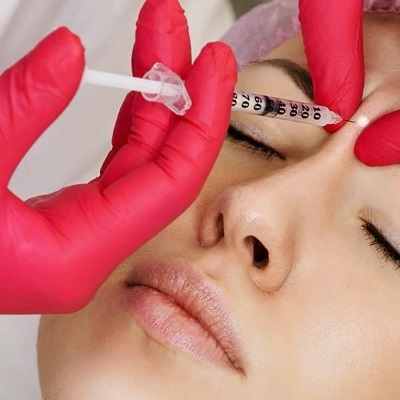
Cosmetic treatments have become increasingly popular among people who want to maintain a refreshed, youthful appearance without undergoing surgery. However, choosing an injectable treatment requires careful consideration, proper research, and a clear understanding of the procedure. Before making a decision, individuals should learn about the treatment, its potential benefits, possible risks, and the results they can realistically expect.
One of the most widely recognized cosmetic treatments is Botox Injections, which are commonly used to soften the appearance of dynamic wrinkles caused by repeated facial movements. Although the procedure is generally quick and minimally invasive, it is still important to approach it with realistic expectations and appropriate medical guidance. Asking the right questions before treatment can help individuals make informed decisions, feel more confident, and understand what to expect throughout the process.
1. What Are Botox Injections, and How Do They Work?
Understanding the treatment is the first step before considering any cosmetic procedure. Botox is a purified form of botulinum toxin type A, a substance that temporarily relaxes specific muscles by blocking the nerve signals responsible for muscle contractions.
When certain facial muscles repeatedly contract during activities such as smiling, frowning, or raising the eyebrows, lines can gradually become more noticeable. Botox works by reducing activity in selected muscles, allowing the overlying skin to appear smoother.
The treatment is commonly used for dynamic wrinkles, including:
-
Forehead lines caused by raising the eyebrows.
-
Frown lines between the eyebrows.
-
Crow's feet around the outer corners of the eyes.
-
Certain other facial expression lines.
Botulinum toxin may also have medical applications, including the management of certain muscle-related conditions and excessive sweating.
Before proceeding, individuals should ask how the treatment works, which areas can be addressed, and whether their concerns are suitable for this approach. Understanding the science behind the procedure helps establish realistic expectations and encourages informed decision-making.
2. Am I a Suitable Candidate for Botox Treatment?
Not everyone is an ideal candidate for injectable cosmetic treatments. Suitability depends on several factors, including age, general health, medical history, skin condition, treatment goals, and individual expectations.
People who want to soften expression-related wrinkles may benefit from Botox. However, individuals with deeper wrinkles caused by sun damage, skin laxity, or natural ageing may require a different treatment approach or a combination of treatments.
Certain medical conditions and circumstances may also affect eligibility. For example, individuals with certain neuromuscular disorders, an allergy to any ingredient in the formulation, or an infection at the proposed injection site may not be suitable candidates.
Pregnant or breastfeeding individuals are generally advised to postpone elective Botox treatment because adequate safety information is unavailable for these circumstances.
A qualified healthcare professional should review the individual's medical history, current medications, allergies, and previous cosmetic procedures before recommending treatment.
Important questions to ask include:
-
Is Botox appropriate for the individual's skin concerns?
-
Are there any medical reasons to avoid the treatment?
-
Could existing medications affect the procedure?
-
Would another cosmetic treatment provide better results?
A proper consultation helps determine whether Botox is a suitable and safe option.
3. What Results Can Be Expected, and How Long Do They Last?
Having realistic expectations is essential before undergoing any cosmetic treatment. Botox does not permanently remove wrinkles or stop the natural ageing process. Instead, it temporarily reduces muscle activity, which can make certain facial lines less noticeable.
Results do not usually appear immediately after the injections. Many individuals begin noticing changes within three to five days, while the full effect generally develops over approximately 10 to 14 days.
The duration of results varies depending on factors such as:
-
The treatment area.
-
The amount of product administered.
-
Individual muscle strength and activity.
-
Metabolism and personal response.
-
Previous treatment history.
For many individuals, the effects last approximately three to four months, although some may experience shorter or longer-lasting results.
It is also important to understand that Botox does not produce identical outcomes for everyone. Some people notice significant softening of wrinkles, while others experience more subtle improvements.
Individuals should ask what results are realistic for their particular facial features and how frequently maintenance treatments may be considered. A responsible treatment plan should focus on natural-looking results rather than completely eliminating facial movement.
4. What Are the Possible Side Effects and Risks?
Although Botox is generally considered safe when administered appropriately by a qualified professional, it is still a medical treatment and carries potential risks.
Most side effects are temporary and relatively mild. They may include:
-
Redness or swelling around the injection site.
-
Minor bruising.
-
Temporary tenderness.
-
Mild headaches.
-
Temporary discomfort.
-
Slight asymmetry or unwanted changes in facial expression.
Less common complications can include drooping eyelids or eyebrows, particularly when the product affects nearby muscles.
In rare cases, the effects of botulinum toxin may spread beyond the injection area. This can lead to symptoms such as muscle weakness, difficulty swallowing, speech difficulties, or breathing problems. These symptoms require immediate medical attention.
Before treatment, individuals should ask about the risks associated with their chosen injection areas, how complications are managed, and which symptoms require medical attention.
They should also disclose any previous adverse reactions to injectable treatments and all relevant medical conditions.
Understanding potential side effects allows individuals to make informed decisions instead of focusing only on the cosmetic benefits.
5. Who Should Perform the Treatment, and What Qualifications Should They Have?
The experience and qualifications of the person administering Botox are among the most important considerations before treatment.
Although the injections may take only a short time, achieving safe and natural-looking results requires a thorough understanding of facial anatomy, muscle movement, injection techniques, and appropriate product administration.
Individuals should choose a suitably qualified and licensed healthcare professional who has relevant training and experience in administering botulinum toxin treatments.
Before making an appointment, it is advisable to ask:
-
What professional qualifications does the practitioner hold?
-
How much experience do they have with injectable treatments?
-
Do they understand facial anatomy and muscle movement?
-
Are they trained to recognize and manage complications?
-
Will they conduct a proper consultation before treatment?
Individuals should also confirm that the product is an authentic, approved formulation obtained through legitimate medical supply channels.
A professional should never rush the consultation or pressure someone into treatment. Clear communication, appropriate assessment, and patient safety should always remain priorities.
6. What Should Be Done Before and After Botox Injections?
Preparation and aftercare can contribute to a smoother treatment experience. Although Botox generally requires little downtime, following professional instructions is important.
Before treatment, individuals should provide complete information about their medical history, medications, supplements, allergies, and previous cosmetic procedures.
They should also discuss any history of bleeding disorders, neuromuscular conditions, or previous reactions to injectable products.
Some medications and supplements may increase bruising risk. However, prescribed medication should never be stopped without consulting the healthcare professional responsible for managing it.
After treatment, the practitioner may recommend several precautions, including:
-
Avoiding rubbing or massaging the treated areas for the period advised.
-
Remaining upright for approximately four hours after injections, if instructed.
-
Avoiding strenuous physical activity for the recommended period.
-
Following specific skincare instructions.
-
Avoiding unnecessary pressure on the injection sites.
Individuals should also attend any recommended follow-up appointment so the practitioner can assess the results and address concerns.
If unusual symptoms develop, particularly difficulty breathing or swallowing, urgent medical attention should be sought.
7. How Much Botox Will Be Needed for My Treatment Areas?
The amount of Botox required varies from person to person. There is no universal dosage that works equally well for everyone because facial anatomy, muscle strength, treatment goals, and the size of the treatment area differ.
For example, treating forehead lines may require a different approach from addressing frown lines or crow's feet.
The practitioner should assess the individual's facial movements and identify the muscles responsible for the wrinkles being treated. They can then recommend an appropriate treatment plan based on the desired outcome and clinical assessment.
A higher dosage does not automatically mean better results. Excessive treatment may create an unnatural appearance or unwanted muscle weakness.
Individuals should ask how the recommended dosage has been determined, whether multiple areas can be treated during one appointment, and whether a follow-up assessment may be necessary.
The main objective should be achieving balanced, natural-looking improvements while maintaining appropriate facial expression.
8. Can Botox Be Combined With Other Cosmetic Treatments?
Some individuals may have several aesthetic concerns that cannot be addressed effectively through one treatment alone. For example, Botox primarily targets dynamic wrinkles, while other procedures may focus on skin texture, volume loss, pigmentation, or deeper lines.
Depending on individual needs, a qualified practitioner may discuss combining Botox with treatments such as:
-
Dermal fillers for selected areas of facial volume loss.
-
Chemical peels for improving skin texture and tone.
-
Microneedling for certain skin concerns.
-
Medical-grade skincare for ongoing skin maintenance.
-
Laser treatments for selected pigmentation and skin-texture concerns.
However, combining treatments does not automatically produce better results. Each procedure has its own benefits, risks, recovery considerations, and suitability requirements.
The timing of different treatments is also important. Some procedures may need to be scheduled separately to reduce irritation, swelling, or other complications.
Individuals should ask whether combining treatments is appropriate, which procedure should be performed first, and whether additional recovery time will be necessary.
A personalized treatment plan should address the individual's main concerns without recommending unnecessary procedures.
9. What Happens If I Stop Getting Botox Injections?
A common concern among first-time patients is whether their wrinkles will become worse if they stop receiving Botox.
The good news is that discontinuing treatment does not generally make the natural ageing process happen faster. Botox temporarily reduces muscle activity, and its effects gradually wear off as normal nerve-to-muscle communication returns.
As muscle movement resumes, expression lines may gradually become noticeable again. The skin typically returns to its natural appearance over time, although the ageing process continues independently.
Some individuals may notice that their facial lines appear softer than before treatment because they experienced a period of reduced muscle movement. However, this varies and should not be considered a guaranteed long-term benefit.
There is no medical requirement to continue Botox indefinitely. Individuals can decide whether to maintain treatment based on their preferences, expectations, and professional advice.
Before beginning treatment, they should ask what happens when the effects wear off and whether stopping injections will require any special care.
10. What Is the Total Treatment Plan, Including Follow-Up and Maintenance?
Before agreeing to Botox, individuals should understand the complete treatment process rather than focusing only on the injection appointment.
A suitable treatment plan should include an initial consultation, facial assessment, discussion of medical history, explanation of expected results, and clear aftercare instructions.
The practitioner should also explain when results can be evaluated and whether a follow-up appointment is recommended.
Maintenance is another important consideration. Since Botox is temporary, individuals who wish to maintain the results may choose repeat treatments at appropriate intervals. However, treatment frequency should be determined by the individual's response and professional recommendations rather than a fixed schedule.
It is also worth discussing the overall financial commitment, including potential follow-up appointments and future maintenance. Although exact costs vary, understanding the complete treatment plan can help individuals make practical decisions.
Most importantly, there should be no pressure to commit to repeated injections. A trustworthy professional will respect the individual's decision and explain all available options.
Frequently Asked Questions About Botox Injections
1. How long does a Botox appointment usually take?
A typical Botox appointment may take approximately 15 to 30 minutes, depending on the number of areas being treated. The consultation and assessment may require additional time. The injections themselves are generally quick, and most individuals can return to their usual daily activities shortly afterwards.
2. Are Botox injections painful?
Most individuals describe Botox injections as causing mild, brief discomfort rather than significant pain. The procedure uses a very fine needle, and the sensation is often compared to a small pinch or sting. Temporary redness or tenderness may occur around the injection sites.
3. When do Botox results become noticeable?
Initial improvements may become noticeable within three to five days. However, the full results generally develop within 10 to 14 days. Individual responses vary depending on the treatment area, dosage, and muscle activity.
4. Can Botox prevent wrinkles from developing?
Botox may help reduce the appearance of certain expression-related lines by temporarily limiting repeated muscle contractions. Some individuals choose treatment before deeper expression lines become established. However, it does not prevent all signs of ageing or replace appropriate skincare and sun protection.
5. Is there any downtime after Botox treatment?
Most individuals experience little to no downtime after Botox injections. Mild swelling, redness, or bruising may occur but generally improves without special treatment. Practitioners may recommend avoiding strenuous exercise and unnecessary pressure on the treated areas for a specified period.
6. How often should Botox treatments be repeated?
For many individuals, Botox results last approximately three to four months. Repeat treatments may be considered when muscle activity gradually returns and the effects begin to wear off. The appropriate interval depends on individual needs, treatment response, and professional advice.
Final Thoughts
Choosing Botox is a personal decision that should involve careful research, realistic expectations, and professional guidance. Although the procedure is widely used to soften expression-related wrinkles, individuals should understand its benefits, limitations, potential side effects, and long-term maintenance requirements before proceeding.
Asking the right questions helps individuals evaluate whether the treatment suits their needs and whether they feel comfortable with the proposed approach. From understanding the procedure and checking practitioner qualifications to discussing aftercare and expected results, every step contributes to a more informed experience.
Ultimately, the priority should be safety, suitability, and natural-looking results. A thorough consultation with a qualified healthcare professional can help individuals make confident decisions about their cosmetic treatment options.
Read More About Botox Injections: https://melaaj.com/blogs/55612/Botox-Injections-for-Neck-Wrinkles-What-Are-Your-Options