Glutathione Injections for Dull Skin: What to Consider
Posted by Enfield Oman
Filed in Health 1 view
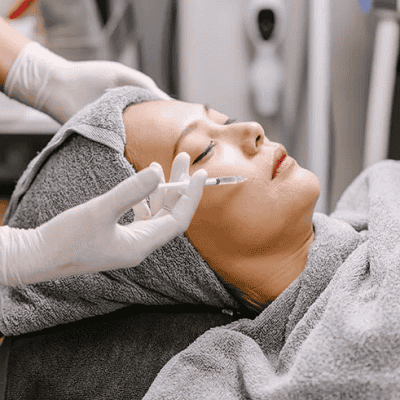
Dull skin can develop for several reasons, including sun exposure, dehydration, environmental pollution, stress, hormonal changes, and an inconsistent skincare routine. For people seeking a brighter and more even-looking complexion, glutathione injections have become a topic of growing interest. In Oman, individuals exploring aesthetic treatments may come across glutathione as an option marketed for skin brightening and antioxidant support.
However, before considering Glutathione Injections in Oman, it is important to understand how glutathione works, what scientific evidence says about its effects on skin, and which safety considerations deserve attention. Although glutathione is a naturally occurring antioxidant in the body, receiving it through injections is different from obtaining it through normal biological processes.
A well-informed approach helps individuals distinguish between established medical knowledge and cosmetic claims. It also encourages realistic expectations, careful assessment of potential risks, and conversations with qualified healthcare professionals before starting any injectable treatment.
1. What Is Glutathione and How Does It Affect the Skin?
Glutathione is an antioxidant naturally produced by the body from three amino acids: glutamate, cysteine, and glycine. It is present in many tissues and helps protect cells against oxidative stress caused by unstable molecules known as free radicals.
Oxidative stress can contribute to cellular damage and is associated with several processes involved in skin ageing. Everyday factors such as ultraviolet radiation, air pollution, and smoking can increase oxidative stress, making antioxidants an important part of the body's protective systems.
Glutathione also participates in several cellular processes, including the maintenance of other antioxidants and the body's normal detoxification pathways. Its role in skin pigmentation has attracted particular interest because it may influence the activity of tyrosinase, an enzyme involved in melanin production.
Melanin gives skin its natural colour and provides some protection against ultraviolet radiation. Glutathione may influence melanin production pathways and the balance between different types of melanin. This has led to interest in its potential effects on skin tone.
However, the biological mechanism does not automatically establish that glutathione injections will produce noticeable or lasting skin brightening. The results reported in research vary, and evidence supporting injectable glutathione for cosmetic skin lightening remains limited.
2. Why Are Glutathione Injections Popular for Dull Skin in Oman?
Interest in glutathione injections is often linked to the desire for a brighter complexion, a more even skin tone, and an improved overall appearance. In Oman, the climate can make sun protection particularly important, as regular exposure to strong sunlight may contribute to tanning, uneven pigmentation, and the appearance of dark spots.
People considering Glutathione Injections in Oman may be looking for an option that complements their existing skincare routine. Some promotional claims suggest that these injections can reduce pigmentation or create a more radiant appearance. Nevertheless, marketing statements should not be confused with proven clinical outcomes.
Several factors may explain why this treatment attracts attention.
Interest in skin brightening: Some individuals wish to reduce the appearance of uneven pigmentation or achieve a more uniform complexion. However, normal skin colour varies naturally, and dullness does not necessarily indicate a medical problem.
Antioxidant support: Glutathione has recognised biological antioxidant functions. However, these functions do not establish that injecting it will improve the visible appearance of healthy skin.
Convenience: Injections may be marketed as an alternative to topical products or oral supplements. Their delivery method does not automatically make them more effective or safer.
Cosmetic treatment trends: Social media and beauty marketing can increase awareness of injectable treatments. Before-and-after photographs and personal testimonials may appear persuasive, but they cannot reliably establish effectiveness or predict individual results.
Anyone considering this treatment should evaluate the available evidence rather than relying solely on promotional claims or anecdotal experiences.
3. Potential Benefits and Scientific Evidence to Understand
Glutathione injections are often promoted for several cosmetic benefits, but the strength of scientific evidence differs from the claims commonly associated with them.
Possible Effects on Skin Tone
Laboratory research suggests that glutathione may influence melanin production. Some small clinical studies have investigated whether glutathione supplementation can affect skin pigmentation. However, the evidence remains insufficient to establish injectable glutathione as a reliable or routinely recommended skin-lightening treatment.
The extent of any visible effect, how long it might last, and which individuals might respond are not well established. There is also no universally accepted injection schedule that guarantees a particular cosmetic outcome.
Antioxidant Activity
Glutathione helps protect cells from oxidative stress as part of the body's normal antioxidant defence system. This is an established biological function.
However, it is important to distinguish this function from claims that injections reverse skin ageing, remove blemishes, or create a permanent glow. Strong evidence supporting these specific cosmetic outcomes is lacking.
Uneven Pigmentation and Dullness
Dull skin may be associated with dehydration, accumulated dead skin cells, irritation, sun damage, or an underlying pigmentation condition. Glutathione injections do not address all these possible causes.
For example, persistent dark patches may be related to melasma, post-inflammatory hyperpigmentation, or another skin condition requiring a targeted approach. Identifying the cause is often more useful than choosing a treatment based on the general appearance of dullness.
For people researching Glutathione Injections in Oman, the most important consideration is that potential cosmetic benefits remain uncertain. A healthcare professional can help determine whether the concern is pigmentation, dryness, sun damage, or another issue for which better-established treatments may be available.
4. Safety Risks and Important Precautions Before Treatment
Because glutathione occurs naturally in the body, it may seem that injectable glutathione is automatically safe. This assumption is not justified. The safety of a substance depends on its formulation, dose, route of administration, quality, and the circumstances in which it is used.
Injectable glutathione introduces additional considerations because the product enters the body directly rather than passing through the digestive system.
Potential concerns include:
-
Allergic reactions: Injectable products can cause reactions ranging from mild symptoms to serious hypersensitivity.
-
Injection-site complications: Pain, redness, swelling, and infection may occur, particularly when sterile procedures are not followed.
-
Product contamination: Poor-quality, improperly stored, or contaminated products may pose significant health risks.
-
Uncertain long-term effects: Long-term safety data for repeated cosmetic glutathione injections remain limited.
-
Possible organ-related complications: There have been safety concerns and reports of serious adverse effects associated with injectable glutathione used for cosmetic purposes. The available evidence does not allow every reported event to be attributed confidently to glutathione itself, but these concerns reinforce the need for caution.
The quality and regulatory status of the specific product also matter. A product marketed online or described as suitable for cosmetic use should not automatically be assumed to be approved for that purpose.
In Oman, individuals should verify the product's legal and regulatory status through appropriate local health authorities and seek advice from a qualified healthcare professional. They should also disclose existing medical conditions, allergies, pregnancy or breastfeeding status, and all medications or supplements they use.
A responsible consultation should explain the limited evidence for cosmetic benefit, possible adverse effects, available alternatives, and the circumstances in which treatment should be avoided. No treatment should proceed on the basis of guaranteed results or pressure to purchase a package of injections.
5. Alternatives to Consider for Brighter, Healthier-Looking Skin
For many people, a consistent skincare routine and a targeted approach to pigmentation may offer a more practical starting point than injectable treatments. The most suitable option depends on the cause of the dullness, skin sensitivity, medical history, and desired outcome.
Daily Sun Protection
Sun exposure can worsen tanning, dark spots, melasma, and uneven skin tone. A broad-spectrum sunscreen with SPF 30 or higher can help protect against ultraviolet radiation. In Oman's sunny climate, regular application, reapplication when needed, protective clothing, and seeking shade are especially useful habits.
Sun protection also helps prevent existing pigmentation from becoming more pronounced.
Appropriate Skincare Ingredients
Certain topical ingredients have established roles in addressing specific skin concerns. Depending on individual needs, a skincare routine may include:
-
Vitamin C: An antioxidant ingredient that may help improve the appearance of uneven tone and support a brighter-looking complexion.
-
Niacinamide: May help support the skin barrier and reduce the appearance of uneven pigmentation.
-
Retinoids: Can support skin-cell turnover and may help with some forms of pigmentation and photoageing. They can also cause irritation and are not suitable for everyone.
-
Azelaic acid: May help manage acne-related pigmentation and certain other pigmentation concerns.
-
Moisturisers: Help maintain hydration and improve the appearance of dry, tired-looking skin.
Introducing products gradually can reduce irritation. Some active ingredients may be unsuitable during pregnancy or for particular skin conditions, so professional advice is appropriate when needed.
Professional Assessment and Targeted Treatments
Persistent pigmentation may benefit from treatments selected for the underlying condition. Depending on the diagnosis, a qualified professional may discuss prescription topical products, chemical peels, or certain laser-based procedures.
These treatments also carry risks, including irritation and worsening pigmentation, particularly when unsuitable methods are used or the skin is not properly protected from sunlight.
The best approach is therefore not necessarily the most intensive treatment. It is the one that matches the skin concern and has a reasonable balance of expected benefit, safety, and cost.
6. How to Make an Informed Decision About Glutathione Injections in Oman
Anyone exploring Glutathione Injections in Oman should approach the decision as a healthcare choice rather than simply a beauty purchase.
The first step is to identify the main concern. Dullness caused by dehydration may respond to moisturising and barrier repair, while dark spots caused by sun exposure may require consistent sun protection and targeted pigmentation care. A general skin-brightening injection may not be the most appropriate answer to either problem.
The next step is to arrange a consultation with a qualified healthcare professional who can assess the skin and discuss the evidence honestly. Individuals should ask whether injectable glutathione is appropriate for their circumstances, what evidence supports the proposed benefit, what adverse effects are known, and whether a better-supported alternative is available.
It is also sensible to ask about the product's source, ingredients, intended use, storage, sterile handling, and regulatory status. The person administering an injection should be appropriately qualified, and the treatment setting should follow recognised infection-control standards.
Realistic expectations are essential. No responsible professional should promise a particular skin shade, permanent whitening, or guaranteed results. Natural skin colour is influenced by genetics, and cosmetic treatments cannot reliably change it in a predictable or permanent way.
Finally, individuals should understand the financial commitment before proceeding. The total cost may depend on the product, number of sessions, clinical assessment, and follow-up care. Rather than choosing solely on price or promotional offers, it is more important to consider product quality, safety, transparency, and whether the proposed treatment has sufficient evidence to justify its use.
The bottom line: Glutathione injections are widely discussed in cosmetic skincare, but evidence supporting their effectiveness for dull skin and skin lightening remains limited, and important safety questions persist. For people in Oman, a careful medical assessment, appropriate sun protection, and treatments selected for the actual cause of dullness offer a more informed path towards healthier-looking skin.
Frequently Asked Questions (FAQs)
1. Are glutathione injections effective for dull skin?
Glutathione injections are promoted for skin brightening, but reliable evidence demonstrating consistent improvements in dullness or pigmentation remains limited. The outcome may vary, and there is no guarantee of a visible effect. Identifying the underlying cause of dull skin can help determine which treatments are most appropriate.
2. Are glutathione injections safe for cosmetic use?
Their safety for cosmetic use is not fully established, particularly with repeated administration. Potential concerns include allergic reactions, injection-related infections, product contamination, and uncertain long-term effects. A qualified healthcare professional should assess the risks and verify the product's regulatory status before any treatment is considered.
3. How long does it take to see results from glutathione injections?
There is no reliably established timeline for visible results from injectable glutathione used for skin brightening. Some promotional materials suggest improvement after multiple sessions, but these claims should not be treated as dependable medical evidence. Results, if any, may vary, and permanent skin lightening cannot be guaranteed.
4. Can glutathione injections permanently lighten skin?
There is insufficient evidence to conclude that glutathione injections provide permanent skin lightening. Skin pigmentation is influenced by genetics, hormones, inflammation, and ultraviolet exposure. Claims of permanent whitening or guaranteed changes in natural skin colour should be approached with caution.
5. What should individuals check before getting glutathione injections in Oman?
Individuals should confirm the product's legal and regulatory status, consult a qualified healthcare professional, discuss allergies and medical history, and understand the potential risks and alternatives. They should also ensure that the product is sourced appropriately and that injections are administered under suitable sterile conditions.
6. What are the alternatives to glutathione injections for brighter skin?
Alternatives may include daily broad-spectrum sunscreen, moisturisers, and suitable topical ingredients such as vitamin C, niacinamide, or azelaic acid. For persistent pigmentation, professional assessment can help identify whether prescription products, chemical peels, or other targeted treatments may be appropriate.
Read More About Glutathione Injections: https://melaaj.com/blogs/46297/Before-Booking-Glutathione-Injections-Read-This-Guide