Nose Reshaping Surgery and Ethnic Features: What to Consider
Posted by Enfield Oman
Filed in Health 3 views
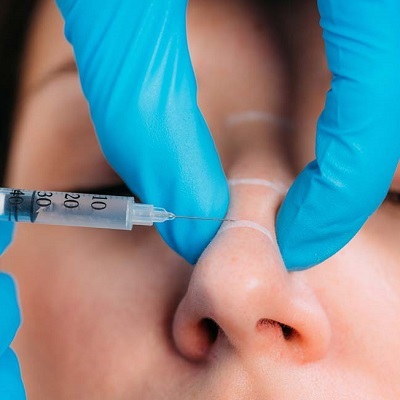
Nose reshaping surgery, commonly known as rhinoplasty, is a procedure that can change the appearance of the nose while maintaining or improving its function. For individuals considering Nose Reshaping Surgery in Muscat, understanding how ethnic features influence surgical planning is an important part of making an informed decision. Every nose has unique characteristics shaped by genetics, family background, facial proportions, and natural variations in skin and cartilage. These differences deserve careful consideration when exploring cosmetic or functional nasal surgery.
The goal of modern rhinoplasty is not to create one universal nose shape. Instead, it is to achieve a balanced, natural-looking result that complements the individual's existing facial features. For people from different ethnic backgrounds, this may mean preserving distinctive characteristics while making carefully planned adjustments to the bridge, tip, nostrils, or overall nasal proportions.
Choosing to undergo rhinoplasty is a personal decision that requires realistic expectations, an understanding of potential risks, and a clear discussion of the desired outcome. By learning how ethnic features affect surgical techniques and recovery, prospective patients can approach the process with greater confidence and clarity.
1. Understanding Ethnic Features in Nose Reshaping Surgery
Ethnic features refer to the natural physical characteristics commonly associated with a person's ancestry. In nasal anatomy, these characteristics may include the width of the nasal base, the height and shape of the bridge, the projection of the tip, nostril proportions, cartilage strength, and skin thickness.
People from Middle Eastern, South Asian, African, East Asian, European, and mixed-heritage backgrounds may have different combinations of these features. However, there is considerable variation within every population, so ethnicity alone cannot determine an individual's nasal anatomy or the most suitable surgical approach.
For example, some individuals naturally have thicker nasal skin and softer tip definition, while others have thinner skin that reveals even minor changes in the underlying cartilage. Similarly, some noses have a prominent bridge, whereas others have a lower bridge or a wider nasal base.
These differences matter because rhinoplasty involves more than changing the visible shape of the nose. The underlying bone, cartilage, soft tissue, and internal nasal structures all influence the final appearance and function.
A personalized assessment helps identify which features can be modified safely and which characteristics may be worth preserving. This approach supports results that look harmonious with the rest of the face rather than appearing disconnected from the individual's natural appearance.
2. How Ethnic Background Influences Rhinoplasty Techniques
Nose reshaping surgery requires a tailored approach because nasal anatomy varies from person to person. The most appropriate technique depends on the individual's structural features, skin quality, breathing function, and aesthetic goals rather than ethnicity alone.
Nasal Bridge Height and Shape
The nasal bridge plays an important role in facial balance. Some people may wish to reduce a prominent hump, while others may prefer improved bridge definition or a change in the overall profile.
In individuals with a naturally lower bridge, carefully planned augmentation may be considered when appropriate. Depending on the case, this can involve reshaping existing structures or using grafting materials to provide additional support.
The objective is to create a bridge that complements the forehead, eyes, cheeks, and chin. Excessive augmentation or unnecessary reduction may produce an unbalanced appearance, which is why surgical planning should consider the entire face.
Nasal Tip Definition and Projection
The nasal tip is one of the most technically demanding areas of rhinoplasty. Its appearance depends on cartilage shape, cartilage strength, skin thickness, and the relationship between the tip and the nasal bridge.
For individuals with thicker skin or less prominent tip cartilage, achieving sharp definition may be more challenging. The surgeon may need to focus on strengthening or reshaping the supporting cartilage rather than simply removing tissue.
In cases involving thinner skin, even small structural irregularities may become visible. This makes precise adjustments particularly important.
A natural-looking outcome does not necessarily require a sharply pointed or highly elevated tip. The most suitable shape depends on the individual's facial proportions and personal preferences.
Nostril Width and Nasal Base
Some individuals consider reducing the width of the nostrils or changing the shape of the nasal base. This may involve carefully planned adjustments to the tissue around the nostril openings.
However, reducing nostril width too aggressively can create visible scars, asymmetry, or an unnatural appearance. It may also affect the relationship between the nostrils and the rest of the nose.
A conservative approach is often important when the objective is to refine the nasal base while preserving natural ethnic characteristics.
3. Preserving Cultural Identity While Achieving Facial Balance
One of the most important considerations in ethnic rhinoplasty is understanding the difference between refinement and unnecessary alteration. A person's natural nasal features can be an important part of their identity, and cosmetic surgery does not need to erase these characteristics to produce a satisfying result.
Some individuals prefer subtle changes, such as smoothing a small bump or improving tip symmetry. Others may seek more noticeable modifications to the bridge or nostril proportions. Both approaches require careful discussion of what is realistically achievable.
A personalized surgical plan should consider the following factors:
-
Facial harmony: The nose should complement the forehead, cheeks, lips, chin, and overall facial structure.
-
Natural proportions: Changes should suit the individual's anatomy rather than follow a standardized ideal.
-
Ethnic characteristics: Distinctive features may be preserved when they contribute to the person's desired appearance.
-
Functional needs: Breathing and internal nasal support should remain important priorities.
-
Long-term stability: Structural changes should account for healing, scar formation, and the way the nose may change over time.
Computer-generated simulations may help patients communicate their preferences during consultations. However, these images are planning aids rather than guarantees of the final outcome.
The discussion should also address which requested changes may be difficult to achieve. For instance, very thick skin may limit the visibility of certain refinements, while weakening important cartilage structures can compromise both appearance and function.
Ultimately, a successful result is not defined by how closely a nose resembles a particular ethnic or cosmetic ideal. It is better evaluated by how well the outcome aligns with the individual's goals, anatomy, and functional needs.
4. Nose Reshaping Surgery in Muscat: Choosing the Right Approach
People researching Nose Reshaping Surgery in Muscat may encounter different surgical techniques and treatment approaches. Understanding the available options can help them prepare for a consultation and ask more informed questions.
Rhinoplasty is generally classified into open and closed techniques. The choice depends on the complexity of the procedure, the areas that require modification, and the surgeon's assessment of the nasal structures.
In open rhinoplasty, a small incision is made across the columella, the tissue between the nostrils, allowing greater visibility of the underlying structures. This approach may be useful for complex reshaping or cases requiring detailed structural adjustments.
Closed rhinoplasty involves incisions made inside the nostrils. It may be suitable for selected procedures where the required modifications can be performed without external incisions.
Neither technique is automatically better for every patient. The appropriate method depends on the individual's anatomy and the changes being considered.
When exploring treatment options in Muscat, patients should prioritize the qualifications, relevant surgical experience, and communication style of the professional performing the procedure. It is also important to understand the available surgical setting, anesthesia arrangements, follow-up schedule, and emergency support.
A thorough consultation should include an assessment of nasal breathing, previous injuries or surgeries, medical history, medication use, and expectations. Patients should feel comfortable asking about potential complications, the likelihood of revision surgery, and the limitations associated with their particular nasal structure.
Rather than choosing a procedure based only on photographs or promotional claims, individuals should seek an approach that balances aesthetic goals with medical safety.
5. Risks, Recovery, and Realistic Expectations
Like any surgical procedure, rhinoplasty carries potential risks. Understanding these risks before surgery helps patients make informed decisions and prepare for recovery.
Possible complications include bleeding, infection, reactions to anesthesia, prolonged swelling, visible scarring, asymmetry, changes in skin sensation, and dissatisfaction with the final appearance. Some individuals may experience persistent or new breathing difficulties. Revision surgery may occasionally be needed if the initial result does not meet functional or aesthetic goals.
Recovery varies depending on the technique used, the extent of structural changes, and the individual's healing response.
What to Expect During Recovery
During the first several days, swelling, bruising, congestion, and tenderness may occur. A splint may be used to protect and support the nose, depending on the procedure.
Many patients can return to light daily activities within approximately one to two weeks, although this varies. Bruising often improves during this period, but swelling may remain noticeable for longer.
The nose continues to heal gradually over several months. Subtle changes, especially around the tip, may take a year or sometimes longer to settle fully. Individuals with thicker skin may experience more prolonged swelling and may need additional patience before assessing the final result.
Following postoperative instructions is essential. Patients should avoid activities that could injure the nose, attend scheduled follow-up appointments, and contact their surgical team if they experience concerning symptoms.
Severe bleeding, rapidly worsening pain or swelling, fever, or significant breathing difficulty requires prompt medical assessment.
It is also important to maintain realistic expectations. Rhinoplasty can improve certain features, but it cannot guarantee perfect symmetry or reproduce a digitally edited image exactly. Healing is individual, and the final result depends on factors that cannot all be controlled during surgery.
6. Preparing for Surgery: Questions to Ask Before Making a Decision
Preparation begins well before the procedure. A detailed consultation helps establish whether rhinoplasty is appropriate and whether the desired changes are achievable without compromising nasal function.
Before committing to surgery, patients should consider asking the following questions:
-
What changes are realistically achievable with the current nasal structure?
-
How might skin thickness and cartilage strength influence the outcome?
-
Which surgical technique is recommended, and why?
-
Could the proposed changes affect breathing?
-
What complications are most relevant to the individual's circumstances?
-
How long is the expected recovery period?
-
What follow-up care will be required?
-
What happens if the result is unsatisfactory or revision surgery becomes necessary?
Patients should also disclose previous nasal procedures, allergies, existing medical conditions, and all medications or supplements they take. Certain medicines may need adjustment before surgery, but changes should only be made under appropriate medical guidance.
Smoking and nicotine use can interfere with healing. Patients should discuss cessation recommendations with their healthcare professional before surgery and throughout the recovery period.
Emotional readiness matters as well. Rhinoplasty is a significant personal choice, and the decision should be based on the individual's own preferences rather than pressure from family, friends, social media, or beauty trends.
Taking sufficient time to compare options, understand limitations, and consider the potential benefits and risks can support a more confident decision.
Frequently Asked Questions About Nose Reshaping Surgery
1. What is nose reshaping surgery?
Nose reshaping surgery, or rhinoplasty, is a procedure that changes the shape, size, or proportions of the nose. Depending on the individual's needs, it may also address structural problems that affect breathing. The surgical plan is tailored to the person's anatomy and goals.
2. Can rhinoplasty preserve natural ethnic features?
Yes. A personalized approach can refine selected nasal features while preserving characteristics that contribute to the individual's ethnic identity. The extent of possible changes depends on skin thickness, cartilage strength, nasal structure, and the desired outcome.
3. Is Nose Reshaping Surgery in Muscat suitable for every adult?
Not everyone is an appropriate candidate. Suitability depends on physical development, general health, nasal anatomy, breathing concerns, and expectations. A qualified professional can assess whether surgery is appropriate and discuss alternatives when necessary.
4. How long does it take to see the final rhinoplasty results?
Initial swelling and bruising generally improve within the first few weeks. However, the nose can continue to change as swelling gradually resolves. The final result may take around a year or longer to become apparent, particularly around the nasal tip.
5. Can nose reshaping surgery improve breathing?
It can improve breathing when the procedure includes appropriate correction of structural problems, such as a deviated septum or certain internal nasal obstructions. Cosmetic rhinoplasty alone does not necessarily improve breathing, so functional concerns should be evaluated before surgery.
6. What factors should be considered before choosing rhinoplasty?
Important factors include the professional's qualifications and experience, the proposed surgical technique, expected results, potential complications, recovery requirements, and follow-up arrangements. Patients should also consider whether their goals are realistic and whether the proposed changes will preserve adequate nasal support and function.
Final Thoughts
Nose reshaping surgery is most effective when the treatment plan reflects the individual's anatomy, personal preferences, and functional needs. Ethnic features should be considered as part of a broader understanding of facial balance rather than treated as imperfections that automatically require correction.
For individuals considering Nose Reshaping Surgery in Muscat, a careful consultation can clarify the available options, explain the limitations of different techniques, and establish realistic expectations. Preserving natural characteristics, maintaining healthy nasal function, and prioritizing safety are essential elements of thoughtful surgical planning.
With appropriate professional guidance and a clear understanding of the recovery process, prospective patients can make informed decisions about whether rhinoplasty aligns with their goals and circumstances.
Read More About Nose Reshaping Surgery: https://melaaj.com/blogs/44914/What-Happens-if-You-Dislike-Your-Nose-Reshaping-Surgery-Results