Liposuction Surgery Recovery: How Long Does Healing Take?
Posted by Enfield Oman
Filed in Health 8 views
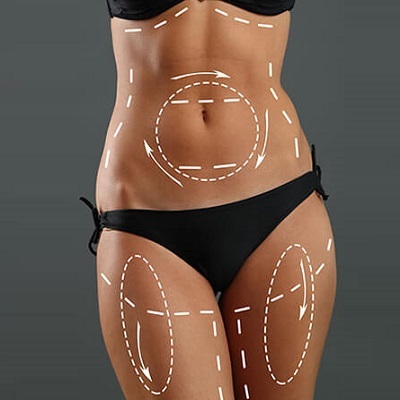
Liposuction is a popular cosmetic procedure for people who want to improve their body contours by removing stubborn pockets of fat that remain despite a healthy diet and regular exercise. While the procedure can help create a more defined appearance, understanding the recovery process is just as important as learning about the surgery itself. Healing takes time, and the results gradually become more visible as swelling decreases and the body adjusts.
For individuals considering Liposuction Surgery in Muscat, knowing what to expect during recovery can help them plan their schedules, arrange support at home, and make informed decisions about their treatment. Recovery varies from person to person depending on the treatment area, the amount of fat removed, the surgical technique, and the individual's overall health.
Although many people can resume light daily activities within a few days, complete healing and the appearance of final results may take several months. Following professional aftercare instructions, wearing compression garments as recommended, and allowing the body enough time to recover are essential parts of the process.
1. How Long Does Liposuction Recovery Take?
Liposuction recovery generally takes several weeks, although the body may need three to six months or sometimes longer for swelling to settle fully and the final contours to become apparent. The exact timeline depends on the extent of the procedure and how the individual responds to surgery.
Most people experience swelling, bruising, tenderness, and temporary discomfort during the early stages of healing. These symptoms usually improve gradually rather than disappearing overnight.
The recovery process can be understood in several stages:
-
First 24–72 hours: Swelling, bruising, soreness, and fluid drainage from small incision sites may occur. Rest and careful movement are important.
-
First week: Discomfort often begins to improve, although bruising and swelling may remain noticeable. Some people can return to desk-based work if they feel comfortable and their surgeon agrees.
-
Weeks two to four: Bruising and tenderness generally decrease, and many individuals gradually resume normal routines and light exercise.
-
Weeks four to six: More strenuous physical activity may be introduced if healing is progressing well and the treating surgeon approves.
-
Three to six months: Residual swelling continues to settle, making the treated areas look smoother and more defined.
These stages are general estimates rather than fixed deadlines. Someone who undergoes treatment in a small area may recover more quickly than someone who has multiple areas treated during the same operation.
People researching Liposuction Surgery in Muscat should discuss their expected recovery timeline during a consultation so they can make practical arrangements for work, travel, exercise, and other responsibilities.
2. What Happens During Each Stage of Liposuction Healing?
Understanding the changes that occur after liposuction can make recovery less stressful. The healing process involves more than the removal of fat; the surrounding tissues also need time to recover from surgical intervention.
The First Few Days After Surgery
The first few days are usually focused on rest, managing discomfort, and protecting the treated areas. Swelling and bruising are common because the procedure affects the tissues beneath the skin.
Some fluid may drain from the small incision sites, particularly during the first day or two. This can be part of the normal healing process, depending on the technique used. Dressings should be changed according to the surgeon's instructions, and the incision sites should be kept clean.
Short, gentle walks are often encouraged soon after surgery because movement can help reduce the risk of blood clots. However, strenuous activity, heavy lifting, and prolonged periods of standing should be avoided until the treating professional confirms that they are safe.
Prescribed pain relief and other medications should be taken exactly as directed. Individuals should not add medicines or supplements without checking whether they could increase bleeding or interfere with recovery.
The First Two Weeks
During the second week, many people begin to feel more comfortable. Bruising may change colour as it fades, and swelling can start to decrease. However, the treated areas may still feel firm, tender, numb, or uneven.
Returning to work depends on the physical demands of the job. A person with a desk-based role may be ready to return earlier than someone whose work involves lifting, bending, or standing for long periods.
Compression garments are commonly recommended after liposuction. They provide support to the treated areas and may help manage swelling. The appropriate garment, fit, and wearing schedule depend on the procedure and the surgeon's instructions.
It is important to remember that the body may look different from the expected result during this stage. Temporary swelling can obscure the improvement, so judging the final outcome too early may lead to unnecessary concern.
Weeks Three to Six and Beyond
As healing continues, tenderness and bruising generally become less noticeable. Many individuals can gradually return to more of their usual activities, including exercise, provided they have received clearance from their surgeon.
Some areas may continue to feel firm or slightly numb. These changes can take additional time to resolve as the tissues heal.
By the third month, improvements in body contours are often easier to see. Nevertheless, subtle swelling may persist for several months, especially after more extensive procedures. Final results should be assessed over time rather than immediately after surgery.
3. Factors That Affect Liposuction Recovery Time
Not everyone heals at the same pace. Several factors can influence how long recovery takes and how comfortable the process feels.
The size and number of treated areas: Treating a small area may involve a shorter recovery than treating several regions during the same procedure. More extensive surgery can cause greater swelling and require additional time away from strenuous activities.
The surgical technique: Different liposuction methods may involve different recovery experiences. The technique selected depends on the individual's anatomy, goals, and clinical suitability. No technique can guarantee a completely pain-free recovery or eliminate all surgical risks.
General health: Overall fitness, existing medical conditions, circulation, and nutritional status can influence wound healing. Conditions such as diabetes may require additional planning and monitoring.
Smoking and nicotine use: Nicotine can impair circulation and interfere with wound healing. People who smoke or use nicotine should discuss this with their surgeon and follow medical advice about stopping before and after surgery.
Aftercare and activity levels: Following instructions about compression garments, wound care, movement, and exercise can support a smoother recovery. Returning to strenuous activity too soon may worsen discomfort or swelling.
Individual healing responses: Age, skin elasticity, tissue characteristics, and the body's natural healing process can affect when swelling settles and when results become visible.
Anyone considering Liposuction Surgery in Muscat should provide a complete medical history during the consultation. This helps the treating professional identify potential risks and develop an appropriate recovery plan.
4. Essential Tips for a Smooth Liposuction Recovery
Good aftercare can make the recovery period more manageable and help reduce the risk of complications. While individual instructions may differ, several general practices are often useful.
Follow Instructions About Compression Garments
Compression garments are commonly used after liposuction to support the treated tissues and control swelling. They should fit properly and be worn according to the recommended schedule.
A garment that is excessively tight can cause discomfort, skin irritation, or circulation problems. If it causes unusual pain, numbness, skin colour changes, or breathing difficulties, medical advice should be sought promptly.
Stay Hydrated and Eat Balanced Meals
The body needs adequate fluids, protein, vitamins, and minerals to repair tissues. A balanced diet containing vegetables, fruits, whole grains, lean protein, and healthy fats can support general recovery.
Crash diets and severe calorie restriction are not appropriate substitutes for proper healing. Liposuction is a body-contouring procedure rather than a weight-loss treatment, and maintaining a stable, healthy weight can help preserve the results.
Walk Gently and Rest When Needed
Rest is important during the initial recovery period, but complete immobility for prolonged periods is generally discouraged unless specifically advised for a medical reason.
Short, gentle walks can support circulation and help reduce the risk of blood clots. Activity should increase gradually, with heavier exercise and lifting postponed until the surgeon confirms they are safe.
Keep Incisions Clean and Monitor Symptoms
Incision care should follow the instructions provided by the treating team. Individuals should avoid applying unapproved creams, oils, or home remedies to healing wounds.
Mild swelling, bruising, and tenderness are expected, but symptoms should generally improve over time. Increasing redness, spreading warmth, worsening pain, pus, or fever may indicate an infection or another complication and should be assessed promptly.
Attend Follow-Up Appointments
Follow-up appointments allow the treating professional to assess healing, check the incision sites, and review swelling or other concerns. They also provide an opportunity to discuss returning to exercise, work, and other activities.
For anyone arranging Liposuction Surgery in Muscat, planning follow-up care in advance is particularly helpful if work or travel commitments could otherwise interfere with recovery.
5. When Can Someone Return to Work, Exercise, and Daily Activities?
Returning to everyday life after liposuction depends on the extent of surgery, the individual's comfort, and the nature of each activity. There is no single schedule that suits everyone.
Returning to work: People with desk-based jobs may be able to return within several days to around two weeks. Physically demanding occupations may require a longer break. The decision should be based on recovery progress and professional advice.
Driving: Driving should be avoided while taking medicines that cause drowsiness or when pain, restricted movement, or discomfort makes it difficult to control a vehicle safely. The individual should be able to move comfortably and react appropriately before driving again.
Light exercise: Gentle walking is often encouraged early in recovery. More demanding workouts should wait until the treating surgeon approves them.
Strength training and strenuous exercise: Heavy lifting, high-intensity workouts, and activities that place strain on treated areas may need to be postponed for several weeks. A gradual return is generally preferable to immediately resuming the previous routine.
Social activities and travel: Some people feel comfortable attending social events within one or two weeks, while others need more time. Long journeys may require special precautions, particularly because surgery can increase the risk of blood clots. Travel plans should be discussed with the surgeon, especially for flights soon after the procedure.
It is also important to avoid judging results based on early photographs or temporary changes in body shape. Swelling can fluctuate during recovery, and the final appearance may take several months to emerge.
6. Possible Complications and When to Seek Medical Help
Although many people recover without serious problems, liposuction is a surgical procedure and carries risks. These can include infection, bleeding, fluid accumulation, changes in skin sensation, contour irregularities, scarring, and complications related to anaesthesia. Rare but serious complications include blood clots and fat embolism.
Recognising warning signs early is important. Medical assessment should be sought promptly if there is:
-
Increasing or severe pain rather than gradual improvement.
-
Fever, spreading redness, warmth, or unusual discharge from an incision.
-
Rapidly increasing swelling or significant bleeding.
-
Persistent vomiting or an inability to maintain adequate fluid intake.
-
New or worsening weakness, fainting, or other concerning symptoms.
Chest pain, sudden shortness of breath, coughing up blood, or one-sided leg swelling accompanied by pain requires urgent medical evaluation. Sudden breathing difficulties or chest pain warrant emergency services.
Choosing an appropriately qualified surgeon, undergoing a thorough medical assessment, and following postoperative instructions can help reduce avoidable risks. Individuals should also understand the limits of the procedure, including the possibility that skin laxity or uneven contours may remain.
For those exploring Liposuction Surgery in Muscat, the consultation should cover expected benefits, potential complications, suitable treatment areas, recovery requirements, and the arrangements for postoperative support.
Frequently Asked Questions About Liposuction Recovery
1. How many days of rest are needed after liposuction?
Many people need several days of reduced activity, while returning to work may take anywhere from a few days to around two weeks. Extensive treatment or physically demanding work can require a longer recovery period. The recommended time off depends on the procedure and individual healing progress.
2. How long does swelling last after liposuction?
Swelling is often most noticeable during the first few days and gradually decreases over subsequent weeks. Some residual swelling can remain for three to six months or longer. The timeline varies according to the treatment area, surgical extent, and individual healing response.
3. When can the final results of liposuction be seen?
Initial changes may become noticeable within a few weeks, but swelling can conceal the results. More defined contours often emerge over the following two to three months, while final results may take three to six months or longer to assess.
4. Is liposuction recovery painful?
Some soreness, tenderness, bruising, and swelling are common after surgery. Discomfort is often more noticeable during the first several days and gradually improves. Prescribed pain relief and appropriate aftercare can help manage symptoms, but severe or worsening pain should be assessed by a medical professional.
5. Can someone exercise two weeks after liposuction?
Gentle walking is often encouraged early in recovery, but returning to gym workouts, running, or heavy lifting after two weeks may be too soon for some individuals. Exercise should resume gradually and only when the treating surgeon confirms that the activity is appropriate.
6. Does liposuction provide permanent results?
Liposuction removes fat cells from the treated areas, so the change can be long-lasting. However, remaining fat cells can enlarge with weight gain, and body contours may change over time. Maintaining a stable weight, following healthy habits, and allowing adequate recovery can help preserve the outcome.
Final Thoughts
Liposuction recovery is a gradual process that requires patience, appropriate aftercare, and realistic expectations. Although many people return to light daily activities within days, swelling and tissue healing can continue for several months before the final body contours become clear.
For individuals considering Liposuction Surgery in Muscat, understanding the recovery timeline can make it easier to prepare for time away from work, arrange support, and make informed treatment decisions. A thorough consultation with a qualified surgical professional is an important step in determining suitability and establishing an individualised recovery plan.
Ultimately, successful recovery involves more than waiting for swelling to disappear. Careful wound management, gradual movement, balanced nutrition, appropriate follow-up, and prompt attention to warning signs all contribute to a safer healing experience.