Are Under Eye Fillers Safe for Delicate Skin Areas?
Posted by Dynamic Sana
Filed in Card Games 7 views
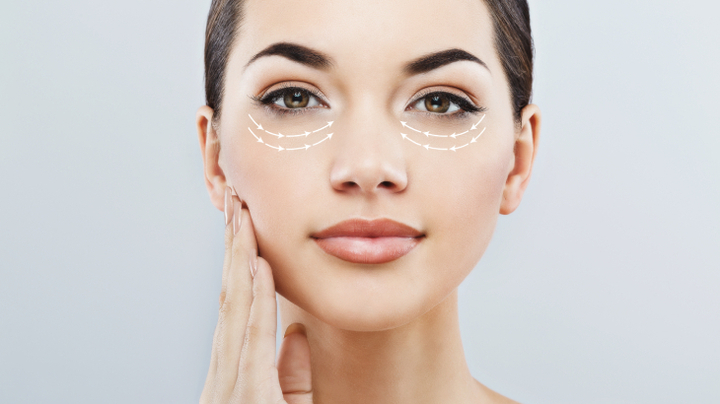
What Causes Dark Circles Under the Eyes?
Dark circles can develop for several reasons, and identifying the cause helps determine which treatment may be most effective. Although lack of sleep is often blamed, it is not the only contributing factor.
Volume Loss and Tear Trough Hollows
As people age, the skin gradually loses collagen and elasticity, while natural fat distribution around the eyes may change. This can create hollows known as tear troughs. These depressions cast shadows that make the area appear darker than the surrounding skin.
Pigmentation and Thin Skin
Some individuals have increased pigmentation around the eyes due to genetics, sun exposure, or inflammation. Because the skin beneath the eyes is naturally thin, underlying blood vessels can also become more visible, contributing to a bluish or purplish appearance.
Lifestyle and Environmental Factors
Poor sleep, dehydration, allergies, and smoking may make dark circles more noticeable. However, these factors do not affect everyone in the same way. A suitable treatment plan should address the specific cause rather than relying on one solution for every individual.
How Do Under Eye Fillers Help Reduce Dark Circles?
Under eye fillers are injectable treatments commonly made with hyaluronic acid, a substance that attracts and retains moisture. When appropriately placed by a qualified medical professional, these fillers can restore volume in the hollow area beneath the eyes.
Restoring Lost Volume
One of the main benefits of under eye fillers is their ability to soften deep tear troughs. When the hollow becomes less pronounced, the area reflects light more evenly, reducing the shadows that contribute to a tired appearance.
This improvement can make the under-eye region look smoother and more refreshed. However, fillers do not directly remove excess pigment, so results depend on whether volume loss is the primary cause of the dark circles.
Creating a Smoother Facial Transition
The junction between the lower eyelid and upper cheek can become more noticeable with age. Carefully placed filler may soften this transition, helping the under-eye area blend more naturally with the surrounding facial contours.
The goal is subtle enhancement rather than excessive fullness. An experienced practitioner considers facial anatomy, skin thickness, existing puffiness, and overall proportions before recommending treatment.
Who May Benefit from Under Eye Fillers?
Under eye fillers may be suitable for adults whose dark circles are primarily caused by tear trough hollows or age-related volume loss. People with mild under-eye depressions and relatively healthy skin in the treatment area may be good candidates following a professional assessment.
However, fillers may be less effective for individuals whose concerns mainly involve:
-
Brown pigmentation caused by melanin.
-
Prominent under-eye bags or excess fat.
-
Significant skin laxity or wrinkles.
-
Bluish discoloration caused by visible blood vessels.
In these situations, a medical professional may recommend alternative approaches, such as appropriate skincare, pigmentation treatments, or assessment for other procedures. Some people may benefit from a combination of treatments rather than fillers alone.
What Happens During the Treatment?
Consultation and Assessment
Treatment begins with an evaluation of the under-eye area, medical history, skin quality, and facial structure. The practitioner determines whether volume restoration is appropriate and discusses realistic expectations.
Filler Placement
If treatment is suitable, a qualified practitioner injects a carefully selected amount of filler into the appropriate anatomical area. The technique and injection depth depend on individual needs and professional judgment.
The procedure is generally relatively quick, although the exact duration varies. Temporary swelling, tenderness, redness, or bruising can occur afterward.
Recovery and Results
Some improvement may be visible immediately, but swelling can temporarily affect the appearance of the treated area. Final results become easier to assess as the area settles.
Hyaluronic acid fillers are temporary, and their longevity varies depending on the product, placement, metabolism, and individual anatomy. Follow-up appointments help the practitioner monitor the outcome and determine whether further treatment is appropriate.
Are Under Eye Fillers Safe?
Under-eye treatment requires particular care because the skin is delicate and the surrounding anatomy is complex. Common side effects include bruising, swelling, tenderness, and temporary unevenness. Some people may develop persistent puffiness, visible lumps, or a bluish discoloration known as the Tyndall effect when filler is placed too superficially.
Rare but serious complications include vascular blockage, tissue damage, and vision impairment. For this reason, treatment should only be performed by a properly qualified and experienced medical professional who understands the risks and emergency management.
People with existing under-eye bags, certain medical conditions, or a history of complications may require alternative options. A thorough consultation is essential before proceeding.
How Can You Maintain Brighter-Looking Under Eyes?
Healthy habits can complement professional treatments and support the appearance of the delicate under-eye area.
-
Get sufficient sleep and maintain a consistent sleep schedule.
-
Use a gentle moisturizer suitable for the eye area.
-
Apply sun protection to help prevent pigmentation from worsening.
-
Manage allergies with appropriate medical guidance.
-
Maintain balanced hydration and avoid smoking.
These measures cannot eliminate every type of dark circle, but they may help improve overall skin health and reduce contributing factors.
Conclusion
Under eye fillers can help reduce the appearance of dark circles when hollowness and volume loss create shadows beneath the eyes. By restoring volume and smoothing the transition between the lower eyelids and cheeks, they may create a more rested and refreshed appearance. However, they do not treat every cause of dark circles, particularly pigmentation and prominent under-eye bags. Understanding the underlying concern, choosing a qualified practitioner, and maintaining realistic expectations are essential steps toward achieving natural-looking results. A personalized assessment can help determine whether under eye fillers or another treatment is the most appropriate option for your needs.