How Does an Interior Design Company in Venice Blend Modernism with Vintage Charm?
Posted by Andrea Michaelson Design
Filed in Other 50 views
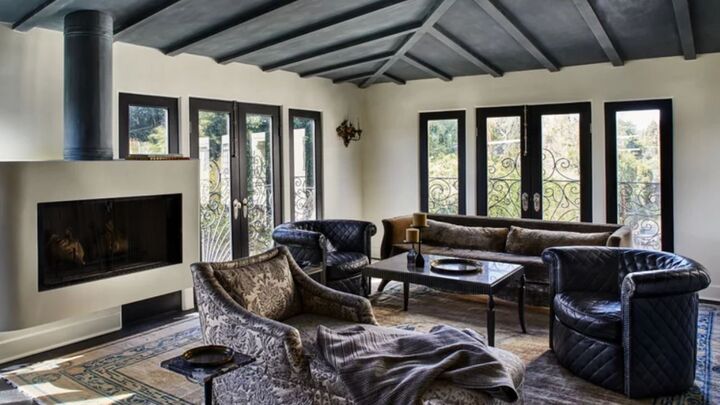
Getting this balance right is harder than it looks. Lean too far into modernism and a room feels cold. Lean too far into vintage, and it starts to feel like a costume. An interior design company in Venice working at a serious level knows the answer is not a simple mix of the two. It is a careful composition using both at once, with each piece chosen for how it sits alongside everything else. Here is how it actually gets done.
Why Does the Mix Work Better Than Either Alone?
Purely modern interiors can feel unfinished in a specific way. Clean lines and spare palettes create order. But without any sense of history, a room can feel like it was put together yesterday. There is nothing to hold onto. Purely vintage spaces carry the opposite problem. Period furniture and antique pieces bring warmth. But without a strong eye behind the choices, rooms tip quickly into nostalgia.
The space starts to belong to the past rather than to the person living in it now. The most resolved interiors use both together. Modern architecture provides clarity and proportion. Vintage pieces bring weight and texture. Together, they produce rooms with both edge and depth.
Architecture Sets the Stage
The foundation of any good blend between modernism and vintage is the architecture itself. Clean architectural bones give vintage pieces room to breathe. A contemporary space with good proportion and restrained surfaces lets a nineteenth-century carved piece or an aged textile carry its full weight. Nothing else competes for attention.
The reverse also holds. A heavily ornamented shell makes it hard for modern elements to land. They either fight the existing detail or disappear inside it. The architecture needs to be resolved first. The stage has to be set before anything is placed on it.
How do Vintage Pieces Anchor a Modern Room?
Vintage pieces do specific work inside a contemporary interior. They add the one thing modern sourcing rarely provides on its own: genuine age. A carved European console from the nineteenth century carries something no new piece built to look old can replicate. The material has a real history. The surface has shifted over time in ways no technique fakes convincingly. These qualities are felt immediately, even by people who cannot explain why.
Used well, one strong vintage piece can anchor an entire contemporary room. It gives the eye somewhere to settle. It adds permanence. And it tells anyone who walks in the room was assembled with real care and discernment.
How Do Modern Elements Sharpen a Vintage Collection?
Modern elements bring their own contribution to a vintage-heavy room. They provide clarity and scale. A clean-lined contemporary sofa grounds a room full of textured antique objects. It gives the eye a neutral resting point between more complex pieces. A spare modern artwork behind layered vintage furniture creates contrast. The old and the new make each other sharper through proximity.
An interior design company in Venice with a serious sourcing practice understands this dynamic well. The goal is never to blend the two into one homogeneous style. The goal is to keep each element distinct while letting them sit together with genuine ease.
Material Is the Common Language
Across both modern and vintage elements, material is what holds everything together. Natural materials share qualities regardless of the period they come from. Aged wood from a nineteenth-century piece and a raw plaster contemporary wall share the same surface honesty. Both absorb light rather than reflect it. Both develop character over time. Both feel genuine under the hand.
This shared quality creates cohesion even when the objects themselves span centuries. Synthetic materials interrupt it. They read differently from everything around them. In a space blending modernism and vintage, material honesty is the quiet thread running through every decision.
Restraint Makes the Difference
The most common mistake when mixing modernism and vintage is including too much of both. A room crowded with modern furniture and antique objects produces noise rather than tension. The elements compete rather than converse. Restraint is what lets the composition breathe.
Fewer pieces, chosen with more care. One strong vintage anchor rather than five competing ones. A spare modern base rather than a busy contemporary backdrop. The editing is as important as the sourcing. What gets left out shapes the quality of what stays.
Final Thoughts
Blending modernism and vintage charm is not a stylistic trick. It is a compositional discipline. It needs architectural clarity, a trained eye, honest materials, and the restraint to stop before a room gets crowded. Venice, with its layered creative culture and its long relationship with both contemporary design and collected objects, is exactly the right place for this kind of work. The rooms produced here do not belong to a single era. They belong to the people living in them and to the full arc of their history and taste.