Brownfield Construction in Dubai: How to Upgrade Existing Industrial Facilities
Posted by MHI Contracting LLC
Filed in Other 23 views
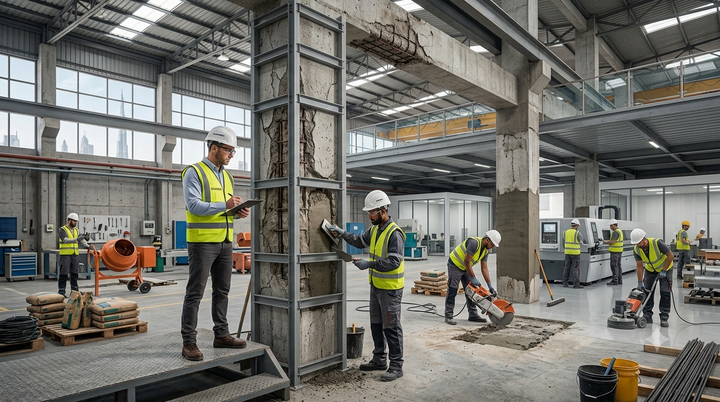
Dubai's industrial sector continues to expand, creating a growing need for modern, efficient, and reliable industrial facilities. Factories, warehouses, manufacturing units, and commercial buildings often require improvements as business operations change. Instead of demolishing existing structures and starting from scratch, businesses can upgrade their current facilities through brownfield construction.
Brownfield construction offers a practical way to improve existing infrastructure, repair damaged structures, and adapt industrial spaces to new requirements. Working with an experienced brownfield construction company helps businesses plan these improvements while considering safety, project costs, and operational needs.
What Is Brownfield Construction?
Brownfield construction involves developing, renovating, repairing, or upgrading previously developed sites and existing structures. These projects may include industrial facilities, warehouses, factories, commercial buildings, and other properties with established infrastructure.
Unlike greenfield construction, which generally begins on undeveloped land, brownfield projects focus on making better use of existing buildings, foundations, utilities, and site infrastructure.
Common brownfield construction activities include:
-
Concrete repairs and structural rehabilitation
-
Industrial flooring improvements
-
Foundation strengthening and structural modifications
-
Warehouse extensions and factory renovations
-
Drainage improvements and site development
-
Modifications to accommodate new machinery
-
Upgrades to existing industrial infrastructure
These improvements help businesses maintain functional facilities without necessarily investing in a completely new building.
Why Brownfield Construction Is Important in Dubai
Dubai has a wide range of industrial and commercial properties that support manufacturing, logistics, warehousing, and other business activities. As operational requirements change, existing facilities may need modifications to remain suitable for their intended use.
For example, a warehouse may require stronger flooring to accommodate different equipment, while a factory may need structural modifications to support new machinery. Older buildings may also require concrete repairs, waterproofing improvements, or drainage upgrades.
Brownfield construction allows businesses to address these requirements while making use of existing infrastructure wherever practical.
Dubai's climate is another consideration. Heat, moisture exposure, and environmental conditions can affect certain building materials over time, making appropriate inspections and maintenance important for long-term building performance.
Key Ways to Upgrade Existing Industrial Facilities
1. Repair and Strengthen Existing Structures
Structural condition is one of the first factors to consider when upgrading an industrial facility. Cracks, concrete spalling, exposed reinforcement, and other signs of deterioration may require professional investigation.
Concrete repairs and structural rehabilitation can help restore damaged areas and address specific weaknesses. Where an engineering assessment identifies insufficient structural capacity, suitable strengthening measures may also be necessary.
A proper inspection helps determine which parts of the building can remain in use and which require repair or replacement.
2. Improve Industrial Flooring
Industrial floors experience considerable wear from forklifts, heavy equipment, storage racks, and continuous movement of goods. Over time, surfaces may develop cracks, uneven areas, damaged joints, or other defects.
Floor rehabilitation may involve repairing damaged concrete, improving joints, and applying suitable protective finishes where required.
Before selecting a repair method, contractors should consider the expected loads, traffic levels, equipment requirements, and condition of the existing floor. These factors help ensure that the upgraded surface is suitable for its intended use.
3. Modify Facilities for New Equipment
Businesses may need to install new production machinery, upgrade material-handling systems, or reorganise storage areas as operations develop.
Brownfield construction can support these changes through carefully planned civil modifications. Depending on the project, this may involve equipment foundations, concrete bases, structural adjustments, or changes to internal layouts.
Existing structures must be assessed before making significant modifications, particularly when new equipment introduces different loads or vibration requirements.
4. Upgrade Drainage and Waterproofing
Water penetration and poor drainage can contribute to concrete deterioration and create maintenance problems around industrial facilities.
Brownfield projects can include drainage repairs, improvements to surface water management, and suitable waterproofing measures for affected areas.
These improvements help manage water exposure and protect building components. The correct solution depends on the source of the problem, site conditions, and the condition of the existing drainage or waterproofing system.
Benefits of Brownfield Construction for Businesses
Cost-Effective Use of Existing Infrastructure
Retaining suitable existing structures can reduce the need for extensive demolition and new construction. However, the actual savings depend on the building's condition, the scope of modifications, and any hidden defects discovered during the project.
Reduced Construction Waste
Repairing and reusing existing infrastructure can reduce the amount of material removed from a site. Careful planning may also help limit unnecessary material consumption and support more responsible construction practices.
Improved Operational Efficiency
Upgraded flooring, improved layouts, and suitable equipment foundations can help industrial facilities meet changing operational requirements. Better planning can also improve the use of available space.
Potentially Less Operational Disruption
Many brownfield projects can be planned in phases to help businesses continue some operations during construction. The level of disruption depends on the type of work, safety requirements, and the areas affected.
How to Choose the Right Brownfield Construction Company
Selecting a suitable contractor is essential for a successful project. Businesses should consider the following factors:
-
Relevant experience: Look for experience with industrial facilities, civil works, renovations, and structural repairs.
-
Site assessment: Ensure the project begins with an appropriate review of existing structures and site conditions.
-
Safety procedures: Confirm that the contractor follows suitable construction safety practices.
-
Quality control: Ask about inspection procedures, material selection, and workmanship standards.
-
Project coordination: Choose a contractor that communicates clearly about the scope, schedule, and potential challenges.
MHI Contracting LLC supports civil construction and contracting requirements for industrial and commercial projects. Businesses planning facility upgrades can assess their requirements and discuss suitable approaches based on the condition and intended use of their existing infrastructure.
Conclusion
Brownfield construction provides a practical option for businesses in Dubai that want to improve existing industrial facilities. From concrete repairs and flooring rehabilitation to drainage improvements and equipment-related modifications, these projects can help maintain building performance and support changing business needs.
The key is to assess the existing structure carefully, select suitable repair methods, and plan construction activities around safety and operational requirements.
Partnering with a reliable brownfield construction company helps businesses approach industrial upgrades with proper planning, attention to quality, and a focus on long-term infrastructure performance.