How to Maintain and Store Safety Gloves for Maximum Protection
Posted by Johnson Trading
Filed in Other 46 views
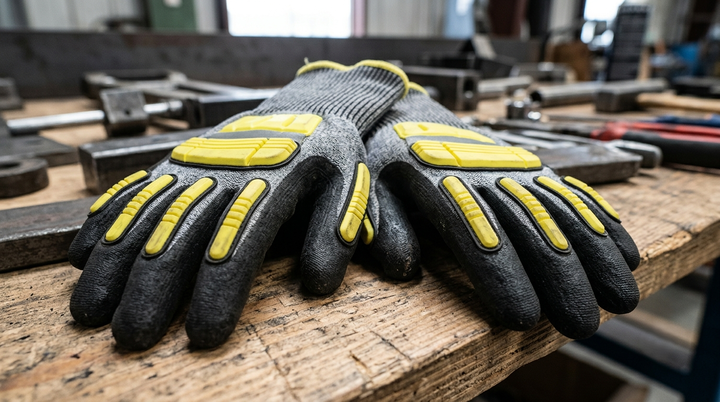
Safety gloves are one of the most significant items of personal protection equipment (PPE) utilised in various industries. Whether employees work in construction, manufacturing, healthcare, logistics, or oil & gas, the proper gloves can protect their hands from cuts, chemicals, heat, abrasions, and other workplace risks.
However, just wearing gloves isn't enough. Proper maintenance and storage are critical to ensuring that they continue to provide the protection for which they were intended.
Many firms invest in high-quality gloves but forget the need of proper care. This can shorten their longevity, jeopardise safety, and raise replacement expenses. Companies can improve worker safety by following a few basic strategies for keeping their Safety Gloves in top shape.
Why Proper Glove Maintenance Matters
Safety gloves are subjected to daily exposure to dirt, dampness, chemicals, and wear. These elements might deteriorate the material over time, reducing the effectiveness of the gloves. Damaged gloves may not provide enough protection, increasing the risk of industrial injury.
Regular maintenance has various benefits, including:
-
Extending the life of gloves
-
Maintaining the protective performance
-
Reducing replacement costs
-
Improving employee safety
-
Ensuring compliance with workplace safety requirements
Proper glove care is a little effort that yields huge long-term benefits.
Inspect Gloves Before and After Each Use
Regular inspection is one of the simplest ways to keep safety gloves in good condition. Workers should inspect their gloves before wearing them and after finishing their tasks.
Look for signals like these:
-
Tears, holes
-
Cracks or worn-down areas
-
Loose stitches
-
Chemical stains
-
Burn markings
-
Loss of grip and flexibility
If any damage is discovered, replace the gloves immediately. Using defective gloves can put workers at risk.
Clean Gloves According to Manufacturer's Guidelines
Depending on the material, each glove requires a different cleaning process. Leather, rubber, nitrile, latex, and fabric gloves all have different care needs.
Here are some general cleaning tips:
-
Wash reusable gloves with mild soap and clean water.
-
Remove any dirt immediately after usage.
-
If it is not recommended, avoid using harsh chemicals.
-
Rinse well to eliminate the soap residue.
-
Allow the gloves to dry naturally.
Always read the manufacturer's directions before cleaning. Improper washing methods can degrade protective materials and reduce glove life.
Dry Gloves Properly
Moisture trapped inside gloves provides an ideal home for germs, mould, and unpleasant odours. Wet gloves may also become uncomfortable and lose their defensive properties.
To dry gloves properly:
-
Keep them in a well-ventilated environment.
-
Keep them out of direct sunshine.
-
Avoid using heaters or dryers with excessive temperatures.
-
Before storing, ensure that both the inner and outside surfaces are totally dry.
Proper drying helps to maintain both comfort and durability.
Keep Gloves in a Clean and Dry Place
Storage is equally crucial as maintenance. Poor storage conditions can harm even brand-new gloves before they are used.
Keep safety gloves inside:
-
Clean storage cabinets
-
Dry surroundings
-
Dust-free spaces
-
Cool temps
-
Shelves away from chemicals
Avoid leaving gloves on workbenches, inside automobiles, or in direct sunlight for extended periods of time. Many glove materials can disintegrate when exposed to excessive heat or UV light.
Separate Gloves According to Their Purpose
Different gloves are intended for different risks. Mixing them together can result in contamination or unintended abuse.
For example:
-
Chemical-resistant gloves should be kept separate.
-
Food-handling gloves should never be combined with industrial gloves.
-
Heat-resistant gloves should be stored in specific spaces.
Organised storage also allows workers to quickly locate the appropriate gloves for each operation.
Replace Gloves at the Appropriate Time
Even the best safety gloves will ultimately wear out. Many workers continue to use gloves far after they should have been replaced, increasing the risk of harm.
Replace gloves when they show:
-
Visible damage
-
Reduced grip
-
Stiffness
-
Chemicals leave permanent marks
-
Loss of flexibility
-
Unpleasant odours that persist after cleaning
Creating a replacement schedule allows firms to maintain consistent safety standards.
Train Employees on Proper Glove Care
Providing quality gloves is only one aspect of occupational safety. Employees should also know how to use, clean, examine, and store them correctly.
Training should include:
-
Selecting the appropriate glove for each activity
-
Inspecting gloves before usage
-
Cleaning procedures
-
Storage guidelines
-
Identifying damaged gloves
-
Knowing when replacement is necessary
Regular refresher training reinforces excellent safety practices and avoids avoidable incidents.
Work with a Trusted Safety Gloves Supplier UAE
The quality of your gloves directly affects worker safety. Choosing a reputable Safety Gloves Supplier UAE gives you access to certified items that fulfil industry standards and workplace needs.
Professional suppliers can also help businesses:
-
Choose gloves appropriate for various applications.
-
Recommend appropriate maintenance practices.
-
Provide alternative guidance.
-
Offer a wide range of approved items.
-
Maintain continuous product availability.
Partnering with an experienced provider enables organisations to create a safer and more efficient workplace.
Conclusion
Proper maintenance and storage of Safety Gloves is critical for worker safety, product longevity, and cost savings. Regular inspections, appropriate cleaning, cautious drying, organised storage, and timely replacement all help to create a safer and more productive workplace.
Choosing high-quality gloves from a reputable Safety Gloves Supplier UAE improves workplace safety by ensuring personnel have dependable protection for all tasks. With proper care and use, safety gloves continue to provide optimum protection while promoting productivity and compliance in every industry.