Finding Reliable Oil and Gas Suppliers in UAE: A Buyer's Checklist
Posted by genesis mfg
Filed in Other 72 views
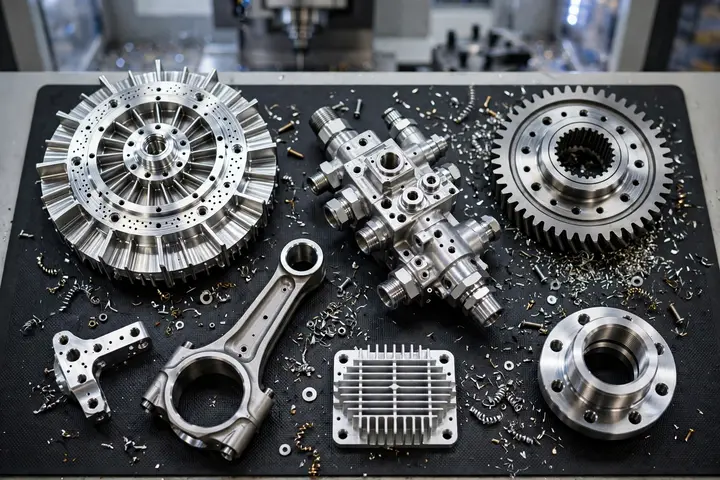
Sourcing decisions in the energy sector rarely come down to price alone, and buyers who evaluate oil and gas suppliers in UAE on cost first often end up paying far more later in delays, rework, or failed inspections. The UAE's energy industry has specific regulatory, climate, and logistical demands that not every supplier is equipped to handle well. This checklist walks through the factors that actually predict whether a supplier relationship will hold up under real operating pressure, rather than just looking good on paper during the initial pitch.
Understanding the UAE's Regulatory and Environmental Context
Suppliers operating in the UAE need to account for conditions that don't apply everywhere — extreme heat, high humidity in coastal areas, and sand exposure all affect how equipment performs and how quickly certain materials degrade. Regulatory requirements around safety documentation and environmental compliance also differ from other regions, so a supplier without direct UAE experience may not flag issues that a locally established one would catch immediately. This isn't a minor detail; it's often the difference between equipment that performs reliably for years and equipment that needs early replacement.
Suppliers who genuinely understand these conditions often build them into their recommendations before a buyer even asks. That might mean suggesting a different coating for equipment installed near the coast, or flagging that a particular seal material tends to degrade faster under sustained UAE summer temperatures. This kind of proactive guidance is a strong signal that a supplier has real regional experience rather than a generic sales pitch adapted for the local market.
Evaluating Technical Capability, Not Just Catalog Size
A long product catalog can be misleading. What actually matters is whether a supplier can back up their listings with real manufacturing or sourcing capability. Buyers should ask pointed questions during evaluation:
-
Does the supplier manufacture components in-house, or resell from third parties with limited oversight?
-
Can they provide documented custom manufacturing solutions UAE clients have used for non-standard or legacy equipment?
-
What inspection equipment do they use, and can results be shared before shipment?
-
How do they handle urgent orders during equipment failures?
Suppliers who answer these clearly and specifically tend to be far more dependable partners than those who respond with vague reassurances. It's also worth noting how quickly a supplier responds to these questions in the first place — a slow or evasive response during evaluation is often a preview of how they'll communicate once you're already a paying customer.
The Value of Working With a Manufacturer-Supplier Hybrid
Some of the strongest partnerships in this sector come from suppliers who also manufacture. Rather than simply reselling parts from overseas producers, these companies combine sourcing with direct production capability, which shortens lead times and gives buyers far more control over specifications. This model is particularly useful for operators who need components tailored to older or non-standard equipment, since a manufacturer-supplier can adjust designs directly instead of routing every change request through a separate factory with its own queue and priorities. It also means fewer handoffs between parties, which reduces the chance of miscommunication on critical specifications. Buyers evaluating this model should ask to see examples of past custom manufacturing solutions UAE facilities have actually deployed, rather than taking capability claims at face value.
Red Flags to Watch for During Supplier Evaluation
Not every red flag is obvious upfront, but a few patterns tend to predict problems down the line. Suppliers who are reluctant to share references, who can't explain their quality control process in specific terms, or who consistently quote unrealistically short lead times are worth extra scrutiny. Similarly, a supplier who can't provide any documentation on material sourcing should raise concern, particularly for components that will operate under pressure or in safety-critical applications. Taking the time to verify these details before signing a contract is far cheaper than discovering the gaps after equipment has already failed. It's also reasonable to ask a supplier how they handled a recent challenging order — their answer usually reveals more about their real capabilities than any brochure or catalog page ever could.
Conclusion
The best oil and gas suppliers in UAE combine regional expertise, transparent quality processes, and real manufacturing capability rather than simply operating as a sourcing middleman. Buyers who take the time to vet these factors, including whether a supplier can deliver genuine custom manufacturing solutions UAE operators actually need, tend to build far more resilient supply chains. If you're currently reassessing your supplier list, a direct conversation about their in-house capabilities and past project history is a reasonable next step before any contract gets signed.
FAQs
1. Why does regional experience matter when choosing a supplier in the UAE?
Local suppliers understand climate-related material degradation, regulatory requirements, and logistics patterns specific to the UAE, which reduces the risk of unexpected equipment issues.
2. What's the difference between a supplier and a manufacturer-supplier?
The supplier who manufactures equipment in-house does not just resell them but manufactures them in-house, providing more leverage to customize the parts and quick turn around for the buyer.
3. How can I verify a supplier's in-house manufacturing claims?
It is reasonable to ask for a site visit, sampling of inspection reports, and references from previous similar projects to prove these capabilities.
4. Are custom manufacturing solutions more expensive than standard catalog parts?
No. Custom-made solutions may turn out to be less expensive than buying an obsolete standard equipment part.
5. What should be included in a supplier evaluation checklist?
All the above considerations are important enough to include in any evaluation.